Quick take
Azelaic acid is searched by people who want an active ingredient that speaks to several visible skin concerns at once: redness-looking skin, uneven tone, post-blemish marks, blemish-prone routines, and rough texture. For sensitive skin, the appeal is easy to understand. It is often discussed as an active that feels more approachable than a harsh exfoliating routine, but the same acid profile brings stinging, dryness, or itching when the formula or timing is wrong.
The useful question is not whether azelaic acid is magically gentle. The useful question is whether the product gives your skin enough support around the active: a workable concentration, a comfortable base, no unnecessary irritant overlap, and a moisturizer that keeps the routine from feeling stripped.
What azelaic acid is
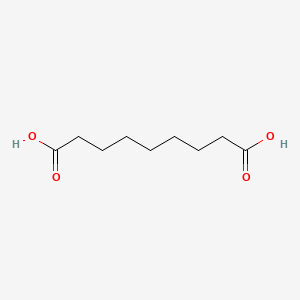
Azelaic acid is a defined dicarboxylic acid. Its molecular formula is C9H16O4, and the structure is small and specific rather than an extract or broad ingredient family. That matters because the product experience depends on the way this acid is suspended, dissolved, buffered, and delivered in the finished formula.
CosIng lists Azelaic Acid in a cosmetic-function context as a buffering ingredient. In consumer skincare, the ingredient is more often talked about around the appearance of redness, uneven tone, post-blemish discoloration, and clogged-looking or bumpy texture. Those are useful reading angles, but the article should keep them in cosmetic language unless a product is being discussed as a regulated medicine.
Why sensitive-skin readers search it
Many sensitive-skin searches come from people who feel stuck between two bad choices. They want help with marks, dullness, and recurring bumps, but stronger acids, retinoids, or too many brightening layers often leave the skin hot and tight. Azelaic acid attracts attention because it is often placed in the middle of that decision: more active than a plain moisturizer, usually less intimidating than a full exfoliation-heavy routine.
That does not make every azelaic acid product suitable for sensitive skin. A lightweight serum feels completely different from a creamy suspension, and a formula used alone often feels different from the same formula layered with vitamin C, salicylic acid, glycolic acid, or a retinoid. Sensitive skin usually needs fewer moving parts, not a bigger stack of actives.
Tone, redness, blemishes, and texture
Azelaic acid is worth reading about because it connects to several visible concerns readers actually care about. It is commonly discussed for skin that looks red or easily flushed, for uneven tone after blemishes, for dull patches that make the face look less clear, and for bumpy texture that does not feel like ordinary dryness.
A careful expectation sounds like this: azelaic acid supports a more balanced-looking routine over time when the formula fits the skin and irritation stays controlled. It should not be sold as an instant spot eraser, acne-clearing promise, rosacea-therapy claim in a cosmetic article, or a guarantee that sensitive skin will never react.
Formula cues that matter
If a product discloses the percentage, treat the number as context rather than a trophy. A higher number is not automatically better for sensitive skin. The base decides a lot: gels often feel clean but stingy, creams cushion better but sometimes pill or feel heavy, and suspensions often leave a dry or powdery finish.
Look at what surrounds the azelaic acid. Glycerin, panthenol, allantoin, ceramides, and a plain moisturizer often make the routine easier to tolerate. Fragrance, strong exfoliating acids, aggressive vitamin C formulas, or a retinoid on the same night often make the same product feel harsher. This is why one person’s calm result can be another person’s burning face.
How to introduce it
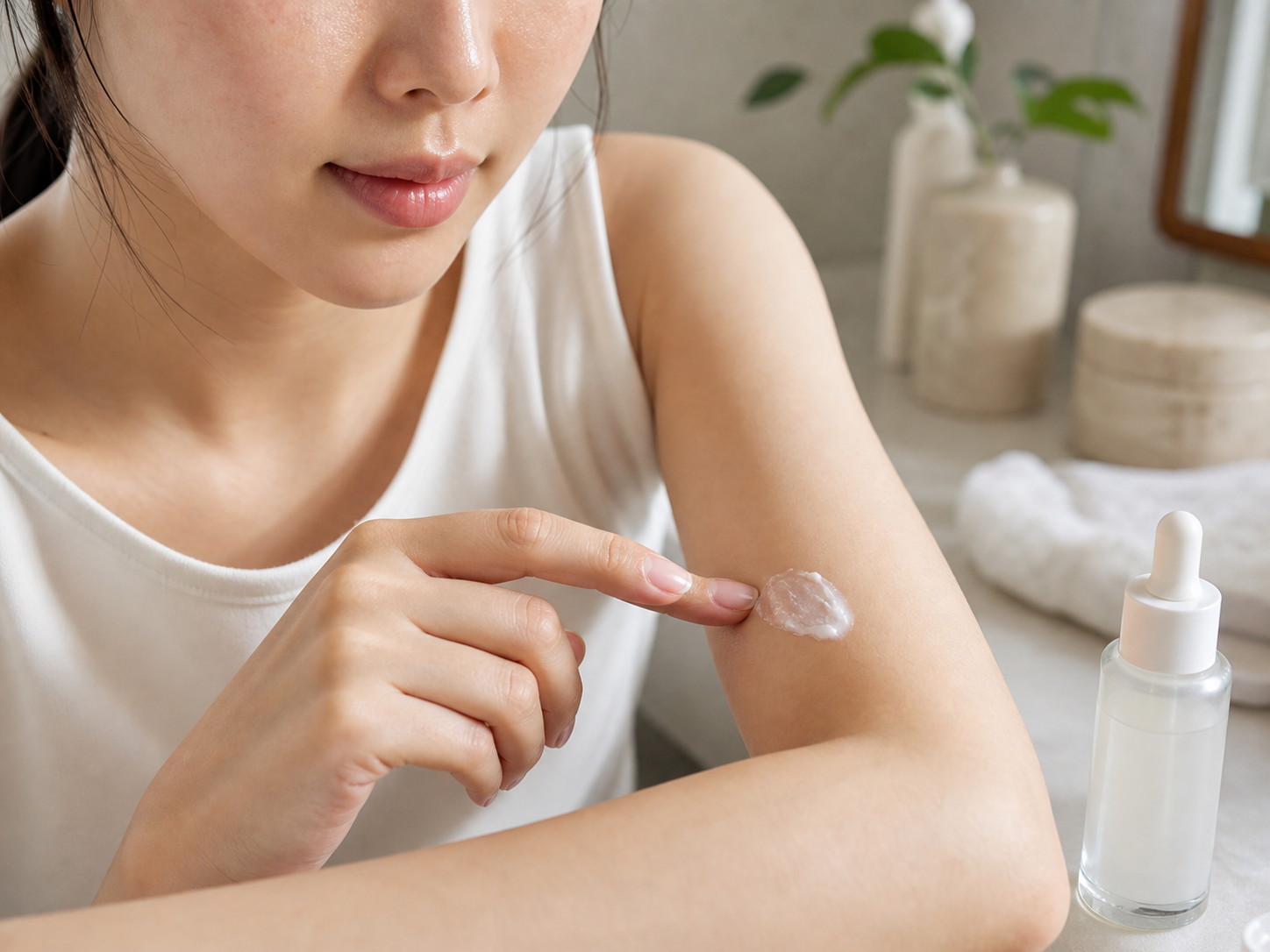
Start with a small amount and a low frequency. For sensitive skin, two or three nights a week is often a clearer test than daily use from day one. Apply it to dry skin unless the product directions say otherwise, then follow with a simple moisturizer. If the product pills, use less or move it to a different step instead of adding more layers.
A short tingle appears with many active formulas. A sharp burn, repeated itching, visible redness that keeps returning, or dryness that worsens each week is different. In that case, pause, simplify the routine, and only retry if the skin has settled.
Sources
- European Commission CosIng buffering list: https://ec.europa.eu/growth/tools-databases/cosing/reference/functions/list/BUFFERING
- Ingredient structure reference: https://pubchem.ncbi.nlm.nih.gov/compound/Azelaic-Acid
- DailyMed azelaic acid gel labeling: https://www.dailymed.nlm.nih.gov/dailymed/fda/fdaDrugXsl.cfm?setid=d4e9e95d-1ebd-44df-a91e-59819715659c&type=display
- Azelaic acid formulation review: https://pmc.ncbi.nlm.nih.gov/articles/PMC5367880/