Quick Take
Niacinamide is one of the better tolerated skincare ingredients, but it is not magic and it is not irritation-proof. Most people use it without obvious trouble, while a smaller group may notice stinging, warmth, redness, itching, dryness, tightness, or new bumps after starting a product. The practical question is usually not whether niacinamide is bad, but whether the specific formula, strength, and routine fit your skin.
Why irritation can happen
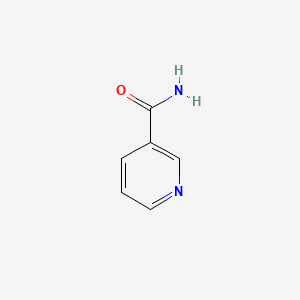
Niacinamide itself has a relatively calm safety profile in cosmetic use. The Cosmetic Ingredient Review safety assessment reported clinical testing with no stinging at concentrations up to 10%, and use tests with no irritation at concentrations up to 5%. That does not mean every niacinamide product will feel gentle. A finished serum can also contain solvents, preservatives, fragrance, exfoliating acids, retinoids, high humectant loads, or penetration-enhancing systems that change how it feels on skin.
Skin condition matters too. A compromised barrier, recent over-exfoliation, windburn, shaving, retinoid adjustment, or active irritation can make almost any leave-on product sting. If niacinamide burns only when your skin is already raw, the routine may need simplification rather than a permanent ban on the ingredient.
Common side effects to watch for
The most realistic warning signs are immediate stinging, burning, itching, flushing-looking redness, dry tightness, or a rash-like reaction that repeats each time you apply the product. Some users also blame niacinamide for breakouts. That can happen with a particular product, but breakouts are often connected to the whole formula, texture, occlusiveness, or a routine change rather than niacinamide alone.
A short-lived tingle is not automatically dangerous, but persistent burning is a stop sign. Swelling, hives, spreading rash, eye-area irritation, or symptoms that keep worsening should be treated as a reason to stop and get qualified advice.
How to introduce it more safely
Start with one niacinamide product at a time. If your skin is reactive, use it every other day for the first week and avoid layering it with several strong actives on the same night. A simple moisturizer over it can reduce dryness and help you judge whether the serum itself is the issue.
Patch testing is especially useful for high-strength products or for people who already know they react easily. Apply a small amount to a limited area for a few days before using it across the face. If repeated redness, burning, or itching appears in that small area, do not push through it.
Niacinamide vs niacin flushing
Niacinamide is related to vitamin B3, but it is not the same as niacin in how it behaves on skin. Niacin is known for flushing because of vasodilating effects. Reviews note that niacinamide does not share that same cutaneous vasodilating property, which is one reason it is widely used in cosmetics. If a niacinamide serum makes your face red, the explanation is more likely irritation from the product or routine context than classic niacin flushing.
When to pause or switch products
Pause use if discomfort is sharp, lasts more than a few minutes, repeats every application, or comes with visible redness, rash, swelling, or rough patches. When symptoms settle, you can test a simpler, lower-strength, fragrance-free product if you still want niacinamide in the routine. If the reaction was strong or medically concerning, skip self-experimenting and ask a clinician.
Sources
- CIR safety assessment summary on PubMed: https://pubmed.ncbi.nlm.nih.gov/16596767/
- Mechanistic review on niacinamide functions and tolerability: https://pmc.ncbi.nlm.nih.gov/articles/PMC11047333/
- Topical nicotinamide study noting irritation reports in some users: https://pubmed.ncbi.nlm.nih.gov/35882993/