Why glycolic acid changes texture quickly
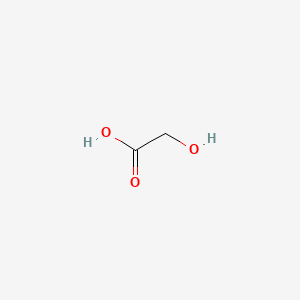
Glycolic acid is an alpha hydroxy acid, or AHA, with the molecular formula C2H4O3. It has a small molecular size and acts in the outer layers of skin, reducing the cohesion that keeps old corneocytes attached. As those dull surface cells shed more evenly, skin can feel smoother and reflect light more uniformly.
That explains the early “glow” many users notice. With consistent use, glycolic acid can also make superficial uneven pigmentation and rough, clogged-looking texture less prominent. It will not erase deep acne scars, deep wrinkles, or pigment located far below the surface. Using more toner cannot force those changes and may create inflammation that makes discoloration worse.
Percentage does not tell the whole story
A 5%, 7%, or 10% label is useful, but pH determines how much acid remains in its free, active form. Two products with the same stated percentage can feel very different. Low pH, repeated layers, cotton-pad friction, and daily use all increase the effective intensity.
A toner is not automatically gentle and does not need to be used every day. Dry or reactive skin should start once weekly, applied with clean hands rather than scrubbed across the face with a pad. Normal or oily skin can increase to two or three nights per week if there is no persistent stinging, redness, or peeling.
Who benefits most
Glycolic acid is a strong match for rough surface texture, flaky makeup, dull tone, and shallow post-blemish marks. For oil deep within pores and blackheads, oil-soluble salicylic acid may be more direct. For inflamed acne, glycolic toner is supportive exfoliation rather than a complete treatment.
Darker skin tones can use glycolic acid, but irritation-induced inflammation can leave additional hyperpigmentation. Slow introduction and sunscreen matter more than chasing the strongest percentage. Avoid applying it to broken, freshly shaved, or already burning skin.
A routine that stays effective
Apply at night after cleansing and let a thin layer settle before moisturizer. During the first two weeks, keep retinoids, other AHAs or BHAs, scrubs, and benzoyl peroxide on separate nights. These combinations are not universally forbidden, but separating them makes irritation easier to prevent and diagnose.
AHAs can increase sun sensitivity. Use broad-spectrum sunscreen every morning and reapply when exposure is prolonged. If skin becomes shiny-tight, persistently red, or painful when moisturizer is applied, stop the acid and return to a bland cleanser and barrier-supporting moisturizer until comfortable.
Pigment and collagen require different expectations
A daily glycolic product mainly improves shedding in the stratum corneum, gradually removing melanin held in superficial cells. Shallow post-blemish marks and sun-related dullness may look more even. Professional peels at far higher concentrations have been studied for epidermal renewal and dermal remodeling, but a 5% to 10% toner is not equivalent to a 30% to 70% office peel, and deep wrinkles or pigment remain limited targets.
For oil plugs and blackheads, oil-soluble salicylic acid can reach the pore environment more directly. Dry, sensitive skin may find the larger lactic-acid molecule easier to manage. Glycolic acid suits thick rough texture plus superficial marks, but its small size and acidic formula can also make it sting.
Burning for many minutes, next-day redness, a shiny-tight surface, mouth cracks, or sudden stinging from ordinary moisturizer suggest overuse. Do not label every breakout as purging. Stop the acid, simplify to a gentle cleanser and ceramide moisturizer, then restart at half the frequency. Petrolatum can protect eye corners, nose folds, and lip edges where acid collects.
Sources used
- Glycolic acid peel therapy reviewmechanism, uses, and limits
- Comparative topical photoaging meta-analysistexture and photoaging effect context
- Cosmeceuticals in photoaging reviewclinical cosmetic evidence