Quick Summary
People searching for squalane oil usually want more than a definition. They want to know how Squalane shows up in real formulas, what it may feel like on skin, and what details matter when comparing products.
This guide keeps the focus on ingredient identity, texture, routine fit, and formula context instead of treating one ingredient name as a shortcut for results.
Ingredient Structure Notes
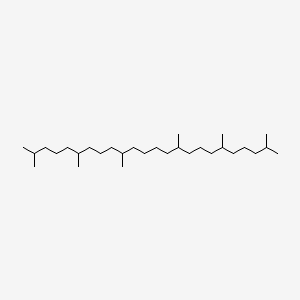
Squalane has a verifiable PubChem compound record: CID 8089, molecular formula C30H62, and InChIKey PRAKJMSDJKAYCZ-UHFFFAOYSA-N. These identifiers are useful for keeping the ingredient identity precise in product and formula discussions.
Why Trending
Squalane is showing up more often because skincare conversations have moved toward comfort, texture, barrier feel, and smarter formula choices. The trend is less about one miracle ingredient and more about products that feel easier to use consistently.
The practical angle is this: what the ingredient is, where it appears in formulas, and what kind of routine it tends to fit.
How It Feels
The practical expectation around Squalane is a comfortable, better-conditioned skin feel. That is different from promising a fixed result; it is about the experience a formula is designed to support.
Skin type changes the read. Dry skin may care more about cushion and lasting comfort, while oilier skin may care more about finish, layering, and whether the product feels heavy.
Formula Context
Squalane does not define a product by itself. The same highlighted ingredient can feel different in a toner, serum, cream, cleanser, or mist. Humectants, emollients, exfoliating acids, fragrance, alcohol feel, and packaging all change the final experience.
A useful label-reading habit is to look at the base formula first, then decide whether the highlighted ingredient makes sense in that texture.
Usage Tips
Introduce a new Squalane product one step at a time. If several products change at once, it becomes hard to tell what is helping and what is making skin feel off.
For daytime, watch how it layers under sunscreen. For nighttime, watch for tightness, warmth, or repeated stinging. If a product keeps feeling uncomfortable, changing frequency or texture is usually more useful than pushing through.
FAQ
Q. Can I use a squalane oil product every day?
It depends on the product type and your routine. Moisturizing formats are usually easier to use often, while exfoliating acids or vitamin-A-adjacent routines often need a slower start.
Q. Is the ingredient name enough to choose a product?
No. The ingredient name is a starting point. Texture, supporting ingredients, packaging, and how your skin responds matter just as much.