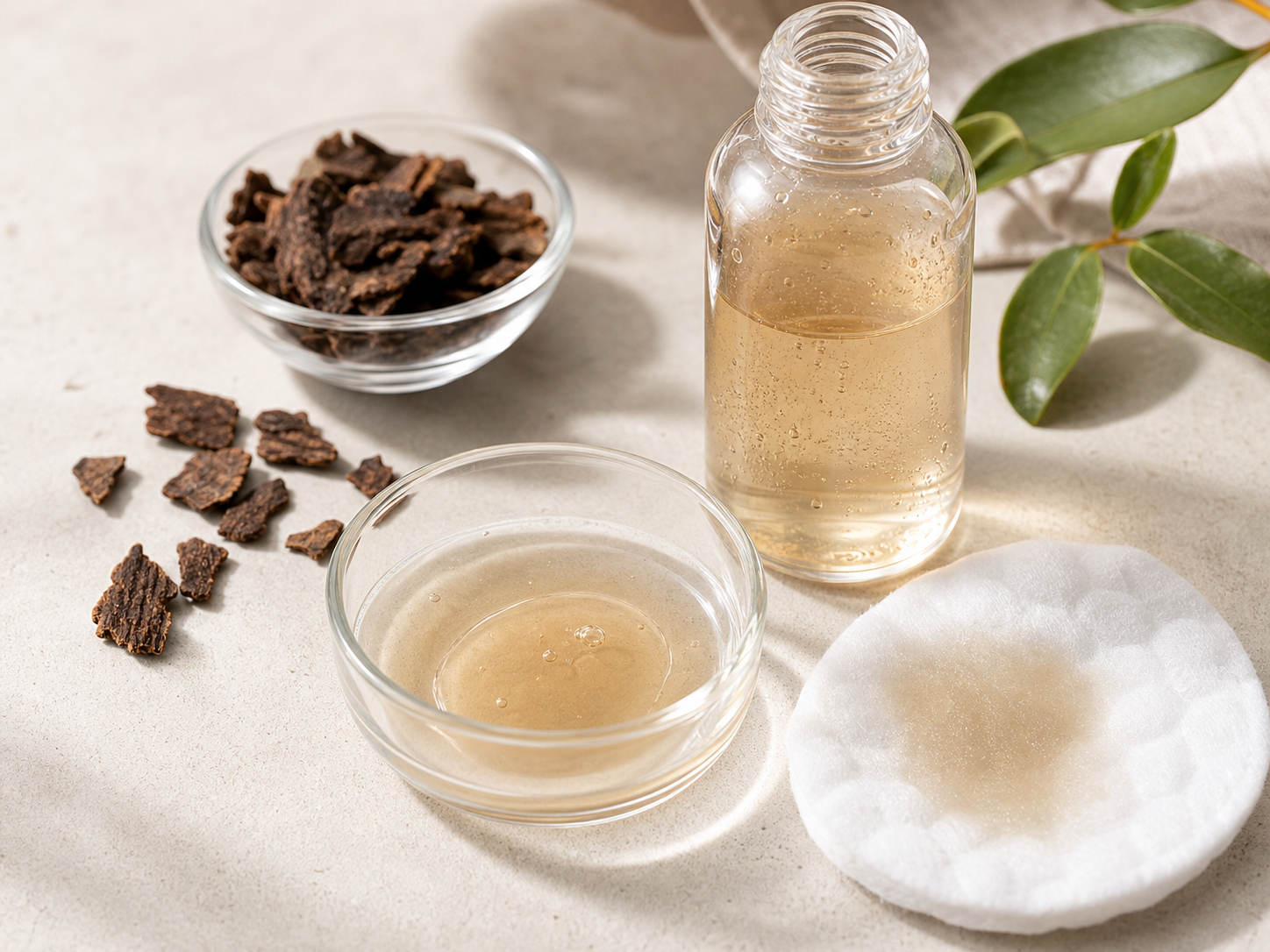
Start here
Tannic Acid is a polyphenol ingredient read through astringent feel, oiliness, and a more refined-looking finish around pores. It should not be framed as guaranteed pore shrinking; formula balance and dryness control matter.
Tannic Acid is a polyphenol ingredient that fits astringent-feel and oiliness language. In skincare content, it should be framed through a refined-looking finish and less shiny feel, while noting dryness and tightness risk instead of promising smaller pores.
Tannic acid has an astringent, polyphenol-style ingredient story, so readers may connect it with oiliness and a more refined-looking finish. The article should avoid promising smaller pores or sebum suppression, and instead focus on finish, tightness risk, and formula support.
What to expect
Tannic Acid is a polyphenol ingredient that fits astringent-feel and oiliness language. In skincare content, it should be framed through a refined-looking finish and less shiny feel, while noting dryness and tightness risk instead of promising smaller pores.
Internet sources on tannins support a wider cosmetic benefit map: astringent feel, antioxidant language, barrier-context research after external irritation, and emerging skin/hair cosmeceutical uses. In a toner article, translate that into a less shiny finish, a more refined-looking pore area, a light astringent after-feel, and comfort language after everyday external stress.
A stronger tightening sensation should not be presented as a stronger result. The practical benefit checks are oil-looking finish, whether moisturizer still sits well on top, whether tightness builds a few hours later, and whether the formula avoids acne-treatment or pore-shrinking guarantees.
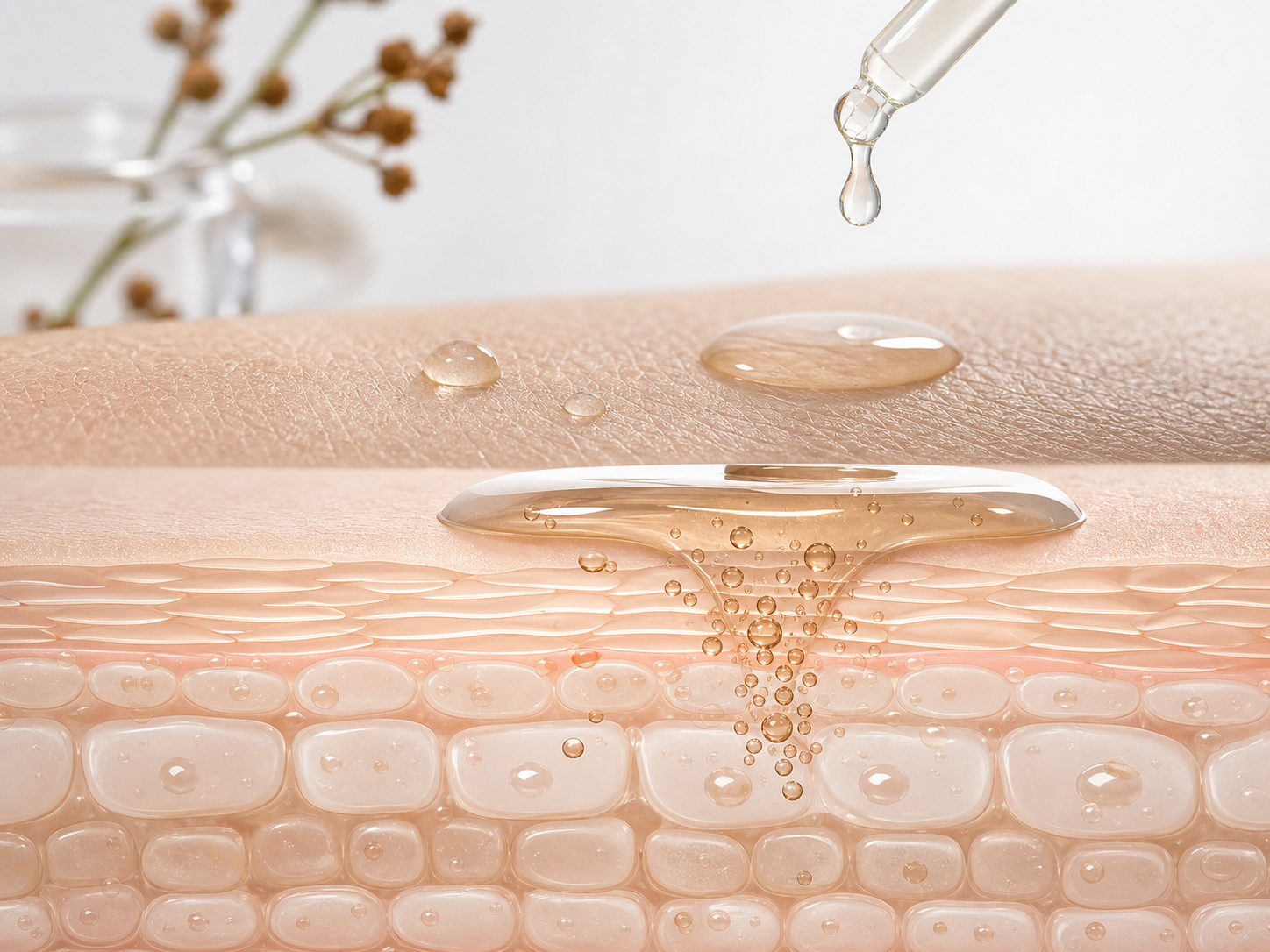
Format changes the experience. The same highlighted ingredient can feel fresh in a toner, more adhesive in a serum, and longer-lasting in a cream, so ingredient role and product format should be read together.
Where format changes the result
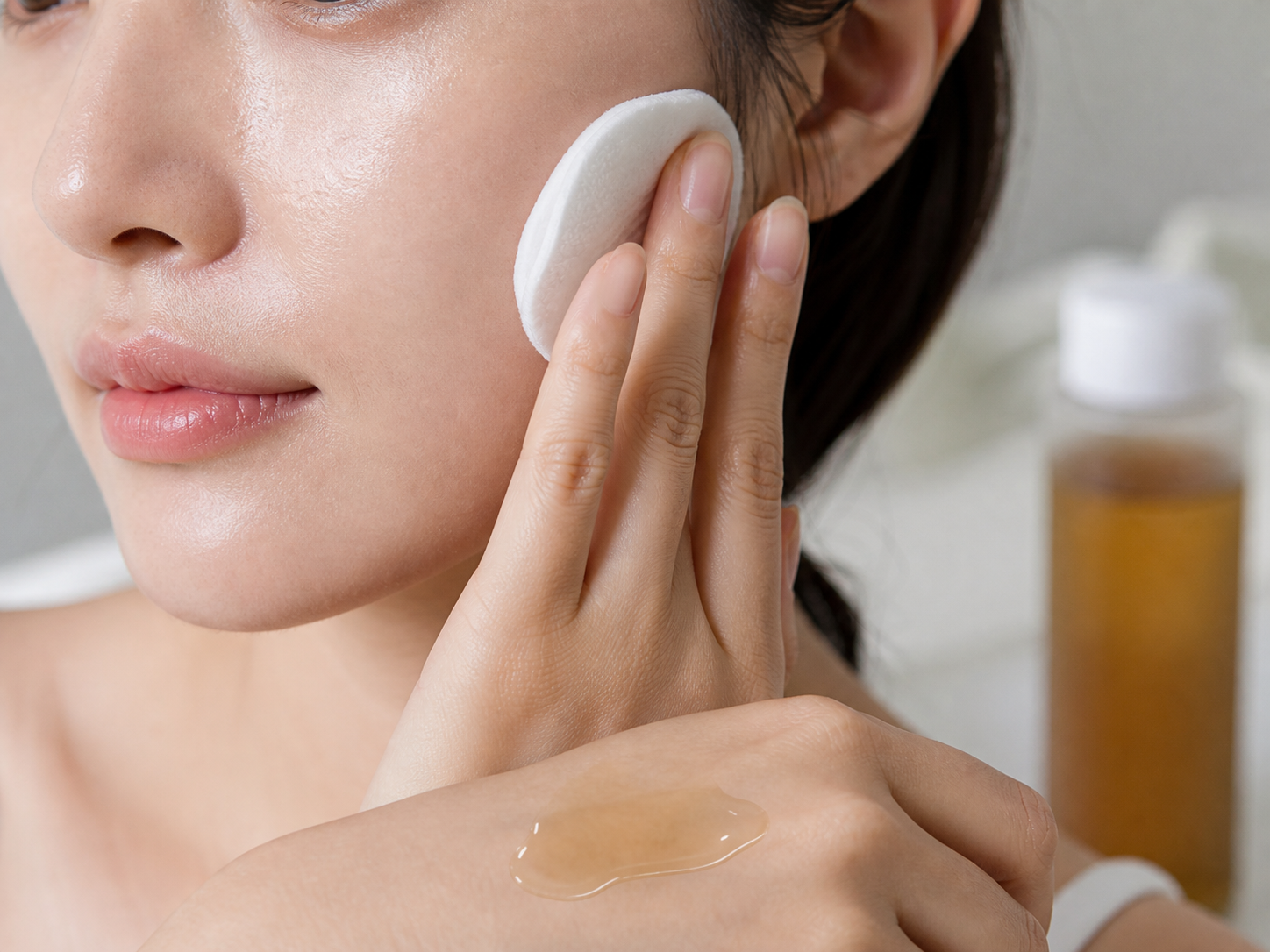
With Tannic Acid, product format often changes the experience before the ingredient name does. A toner or mist is judged by how thinly it layers and whether the next step still sits comfortably. For a toner or mist, check whether repeated layers become tacky and whether moisturizer sits well on top.
When no verified structure record is available, the safer approach is to explain the ingredient class and formula context. When reading a formula, look beyond the hero ingredient: humectants, emollients, barrier lipids, fragrance, packaging, and the other active ingredients often decide whether the product feels convincing.
How to use it in a routine
Start by deciding where the product belongs in the day, not by adding several new products at once. Add one new product at a time so the response is easier to interpret. For a toner or mist, check whether repeated layers become tacky and whether moisturizer sits well on top.
Start by finding the frequency your skin accepts comfortably. In the morning, check sunscreen compatibility and shine. At night, watch for tightness, warmth, or repeated stinging.
Why people are searching again
Tannic Acid searches continue when the ingredient definition does not answer the whole question. Readers still need raw-material context, product format, texture, and routine overlap.
The article should connect those details instead of listing them separately, so both ingredient-curious readers and product shoppers get something practical.
Cautions
If a Tannic Acid product repeatedly feels uncomfortable, adjust amount, frequency, or overlapping active ingredients first. The same highlighted ingredient can feel very different in a fragrance-heavy product versus a simpler formula.
Source checklist
For ingredient identity, start with current INCI naming and the product’s full ingredient list. Extracts, polymers, peptides, vesicles, and filtrates should not be reduced to one convenient molecule unless the product names a specific compound.
When comparing products, check concentration disclosure when available, formula position, supporting moisturizers, fragrance, essential oils, and the other active ingredients already in your routine.