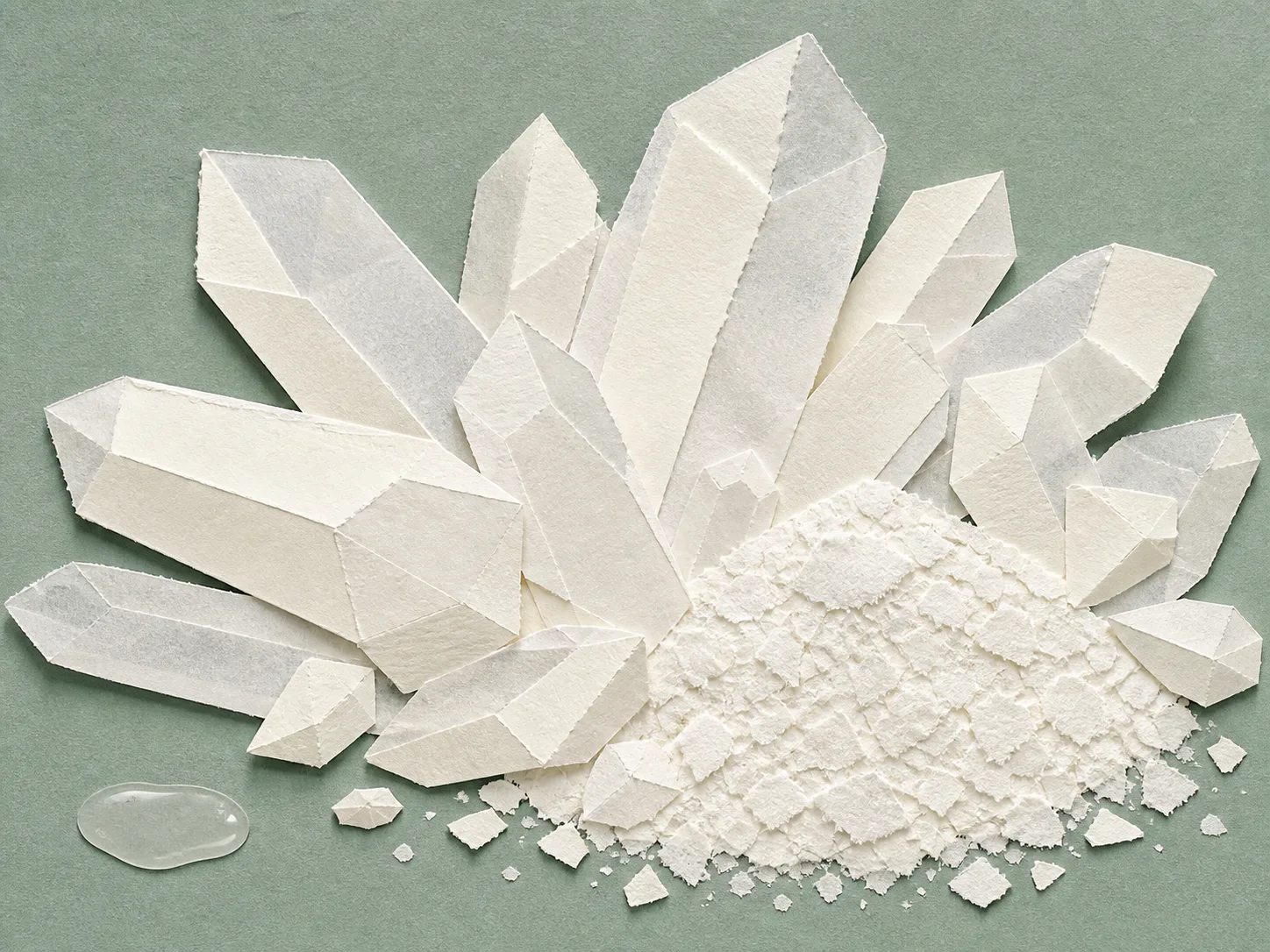
Succinic Acid is used in blemish-focused pads, toners, gels, and spot formulas. It can inhibit the growth of the acne-associated bacterium Cutibacterium acnes under laboratory conditions. This is different from simply absorbing oil or drying the skin.
What succinic acid can do for skin
Researchers have studied both succinic acid’s antimicrobial activity and multi-ingredient lotions containing it. A lotion’s results describe that combination, not succinic acid alone. For someone using a blemish product, the relevant changes are fewer inflamed spots and less persistent redness—not just a drier, less shiny finish.
How it affects bacteria
Some skin bacteria, including Staphylococcus epidermidis, produce succinic acid when they ferment glycerol. As an organic acid, it can lower the surrounding pH. Bacteria then spend more energy maintaining the acidity inside their cells. Some undissociated acid can also enter a bacterial cell and release hydrogen ions there, disrupting its internal pH and metabolism. This helps explain growth inhibition in laboratory cultures; the effect in a product depends on acid concentration, pH, and contact time.
How to introduce it
Start with a small area at night every other day. Pads add friction; leave-on gels increase contact time. Do not introduce a retinoid, salicylic acid, strong peel, and a new succinic-acid product at the same time. If tightness, burning, or repeated redness appears, stop and return to a simple moisturizer and sunscreen routine.
When to pause instead of pushing through
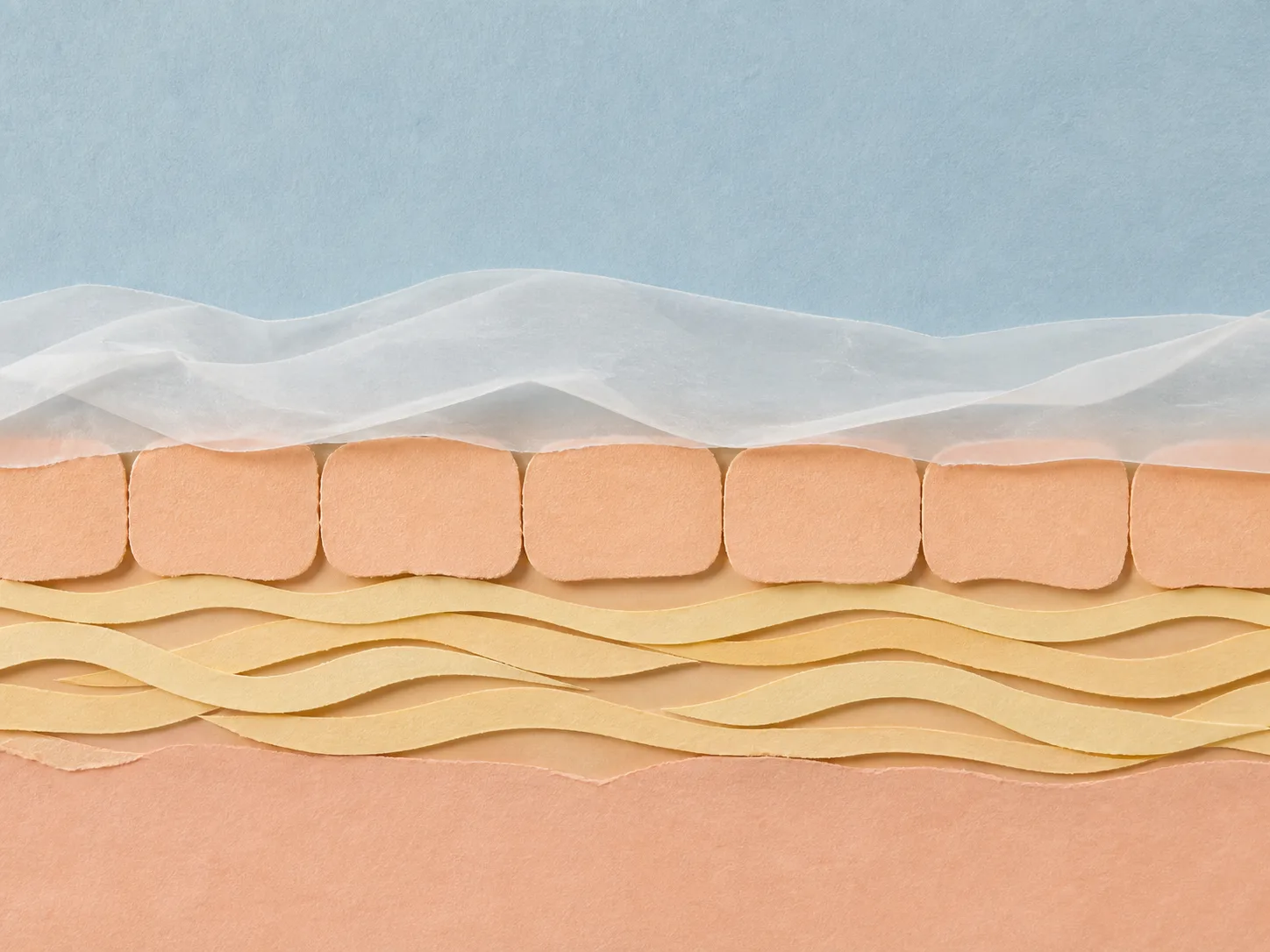
If you began with a few clogged areas but the cheeks become rough, or even your usual moisturizer starts to sting, lower the frequency and return to the routine that was comfortable before. The useful test is not whether skin changes dramatically in a few days. It is whether the product can stay in a routine without steadily adding dryness or irritation.
The format changes the decision

An acid in a pad is not the same experience as an acid in a spot gel or a watery toner. A pad adds the pressure and repetition of wiping. A gel can sit on a small area for longer. A toner is easy to layer with other actives before you notice that the total routine has become too much. The word acid also does not make Succinic Acid interchangeable with salicylic or glycolic acid. Check whether other exfoliating ingredients appear in the same list before assuming that a blemish product will be mild.
Sources used
- Korea Cosmetic Association ingredient referenceKorean standard name and dicarboxylic-acid identity
- PubChem - Succinic Acidmolecular identity and safety context
- Succinic Acid in Cosmetics and Aesthetic Dermatologyreview of mechanisms and the scope of clinical findings
- Topical biotechnological phytocomplex with succinic acidfinished lotion study and multi-ingredient attribution limit
- CIR Safety Assessment of Dicarboxylic Acidscosmetic safety evaluation