
Why Vitreoscilla Ferment appears in sensitive-skin products
Vitreoscilla Ferment is used in skincare aimed at reducing discomfort and supporting the skin barrier. Research on a particular preparation, Vitreoscilla filiformis extract (Vfe), explores how bacterial components influence the skin’s own defenses. It is a heat-treated lysate containing cell fragments, not live bacteria growing on your skin.
The ingredient name alone does not identify the exact preparation. A study of Vfe describes that extract and the tested formula; another ferment may use a different strain or manufacturing process.
How it affects the skin’s defenses
In laboratory work, a specific Vitreoscilla preparation increased antimicrobial proteins in reconstructed epidermis, including beta-defensin and S100A7. These are part of the skin’s own defense system. The proposed signaling route involves TLR2, a receptor that detects microbial structures, and PKC zeta, which helps carry the signal inside cells.
Researchers also measured effects on mitochondrial superoxide dismutase, or SOD2. This enzyme helps cells process reactive oxygen compounds. That is the basis for the ingredient’s antioxidant-support role; the experiment did not measure wrinkle reduction in people. The culture medium influenced the antimicrobial response, which helps explain why preparation details matter. Read the laboratory study.
What has been reported in sensitive skin?
A review of Vfe research reports reduced reactivity in a lactic-acid stinging test after daily use of a Vfe-containing formula. It also discusses barrier recovery and immune signaling, including IL-10, which helps regulate inflammation. The authors were employed by the ingredient developer, L’Oréal. These results describe particular preparations and products, rather than every moisturizer carrying the ferment name. Read the review.
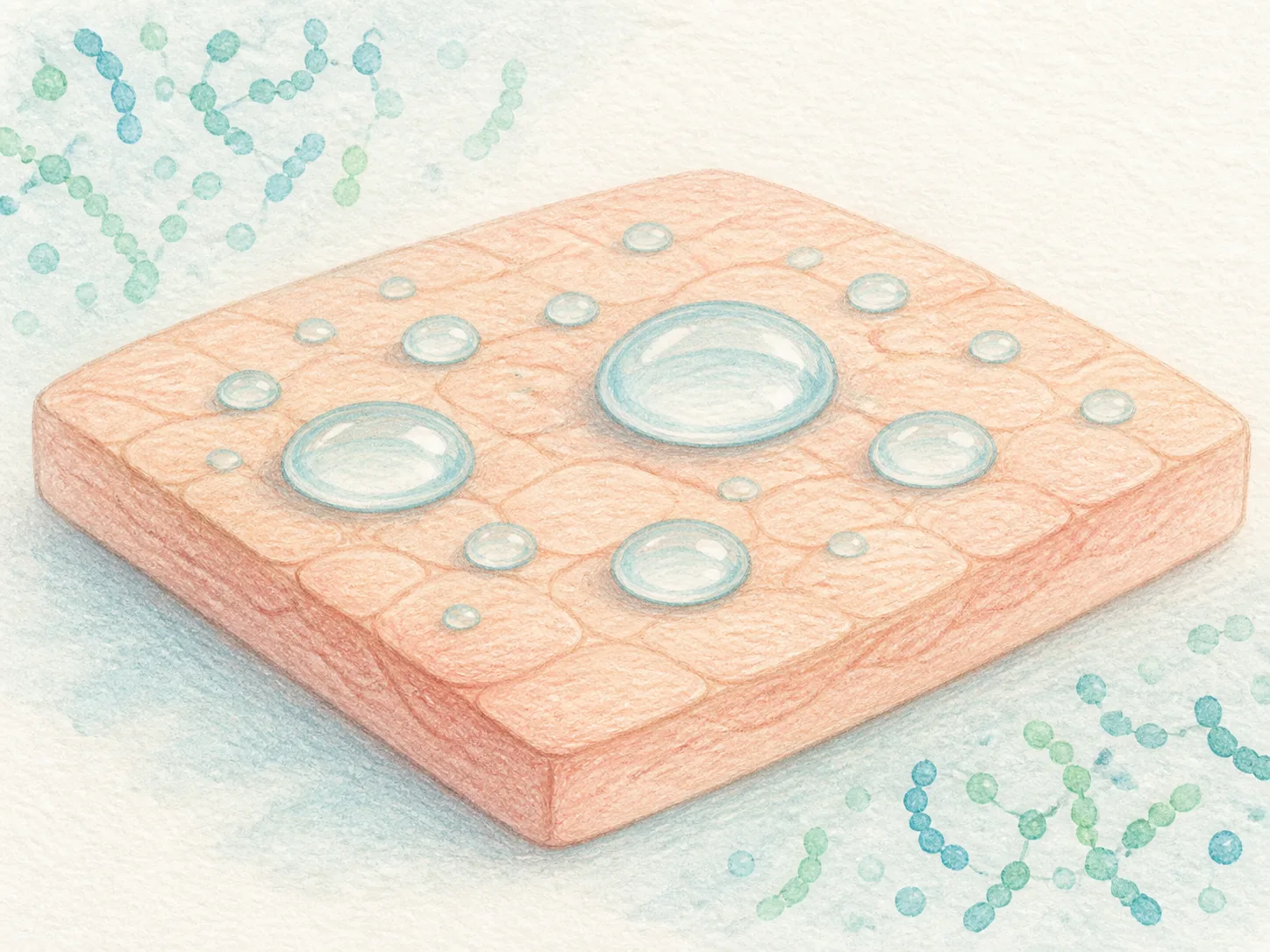
For someone choosing skincare, the relevant change is less stinging or tightness during repeated use. A cool sensation on application is a different experience and does not show whether the skin barrier has improved.
Choosing a serum or a cream

A light serum can sit under a familiar moisturizer. A cream may already provide the moisturizing step, so there is no need to add a second product solely because one contains a ferment. Oils, humectants, fragrance, and texture still affect whether the finished product suits you.
If a brand cites Vfe testing, look for the actual tested product or preparation in that explanation. A percentage for an extract blend is not necessarily the percentage of bacterial material in the finished cream.
Starting without disrupting your routine
Introduce one new leave-on product at a time and try a small area first. Keep your usual cleanser and other familiar products while you assess it. Notice whether stinging and post-wash tightness improve, and whether the texture works under sunscreen.
Repeated burning, swelling, or a rash is a reason to stop using the product. Small-area testing can catch an obvious reaction, but it cannot diagnose an allergy.
Sources used
- Health Canada NHPID: Vitreoscilla FermentTopical identity, non-medicinal skin-conditioning role, and killed-bacteria requirement
- Complete Genome Sequence of Vitreoscilla filiformis, Used as a Cosmetic IngredientSpecies identity and cosmetic-industry context
- Vitreoscilla filiformis – L'Oréal Inside Our ProductsBiotechnology fermentation and formulation context
- Vitreoscilla Ferment in skincareConsumer-facing cosmetic use and cautious patch-test context
- Vitreoscilla filiformis extract and skin antioxidant and antimicrobial defenses (2013)Reconstructed-epidermis study; antimicrobial proteins, SOD2 and proposed TLR2/PKC zeta signaling.
- Vitreoscilla filiformis Extract for Topical Skin Care: A Review (2021)Heat-treated lysate identity; sensitive-skin stinging, barrier recovery and immune signaling; developer affiliations.