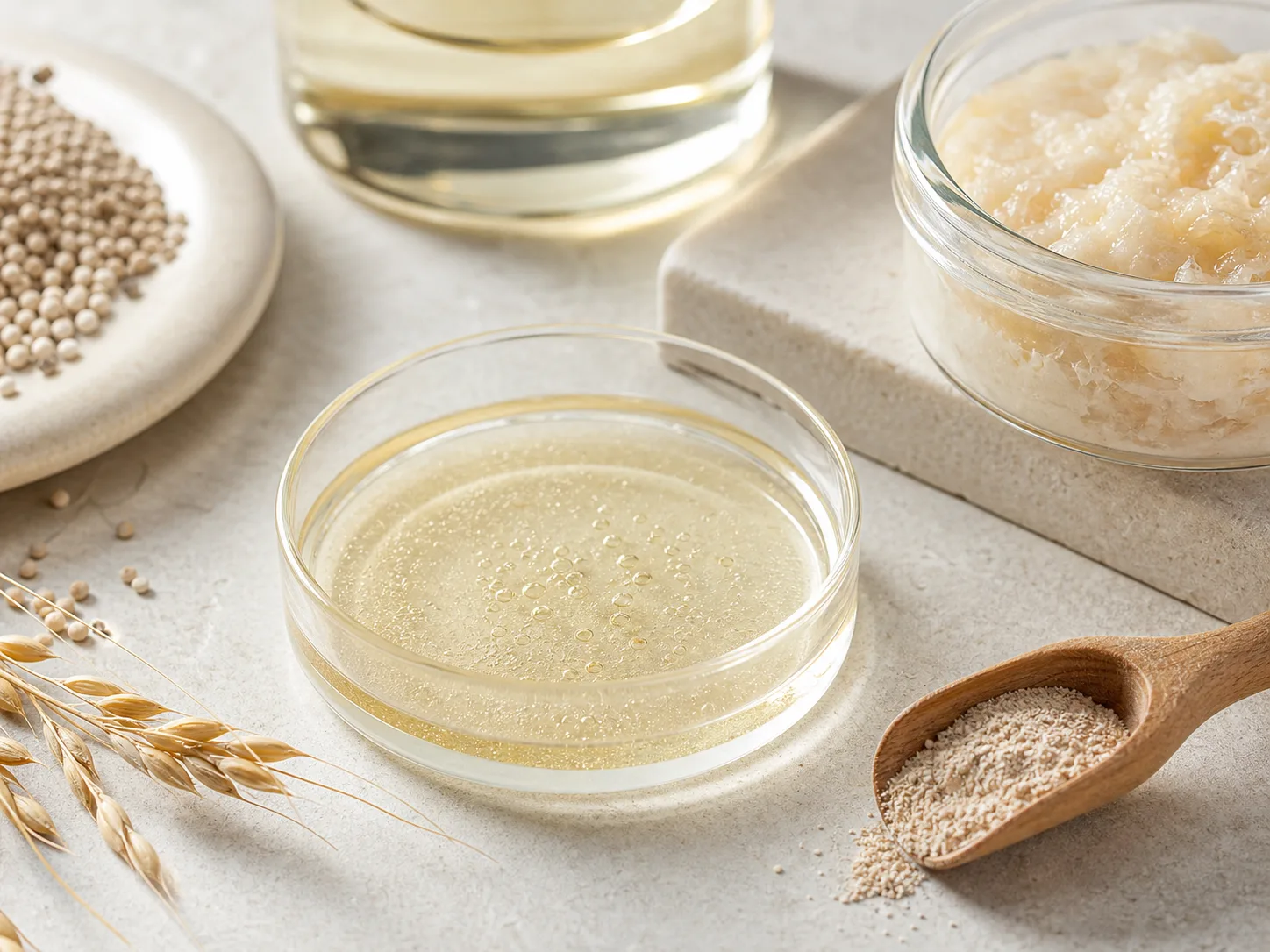
What yeast ferment extract is
Yeast Ferment Extract is a cosmetic raw material made from fermented yeast such as Saccharomyces. It can look similar to yeast extract, ferment filtrate, or other yeast-derived names on an ingredient list, but the strain, fermentation, filtration, and breakdown process can change what the finished material contains.
The useful part of the fermentation story is the mixture it can produce. Amino acids, polysaccharides, peptides, and proteins may contribute to a water-friendly, comfortable formula. Cosmetic references commonly place yeast-derived materials in moisturizing, antioxidant, and skin-softening contexts.
What the skin benefits mean
Hydration is the most practical expectation. In a toner or essence, the formula may leave less post-cleansing tightness and a smoother surface before moisturizer. That feel usually comes from the ferment extract working alongside glycerin, betaine, hyaluronic acid, or other humectants, not from the ferment alone.
Antioxidant language is another reason the ingredient appears in skincare. Yeast extracts contain several classes of compounds that are discussed in oxidative-stress research and cosmetic formulas. This does not make the ingredient sunscreen, wound treatment, or a guarantee of skin renewal. A brighter-looking finish can also reflect better hydration and texture rather than direct removal of pigmentation.
Ferment names are not interchangeable
Yeast Ferment Extract, Saccharomyces Ferment Extract, Yeast Extract, and Ferment Filtrate share a family resemblance, but they do not automatically describe the same raw material. A product may use a filtered fermentation liquid, a broken-down yeast material, or a premix with moisturizers. The exact INCI wording and supplier information are more useful than the general word fermented.
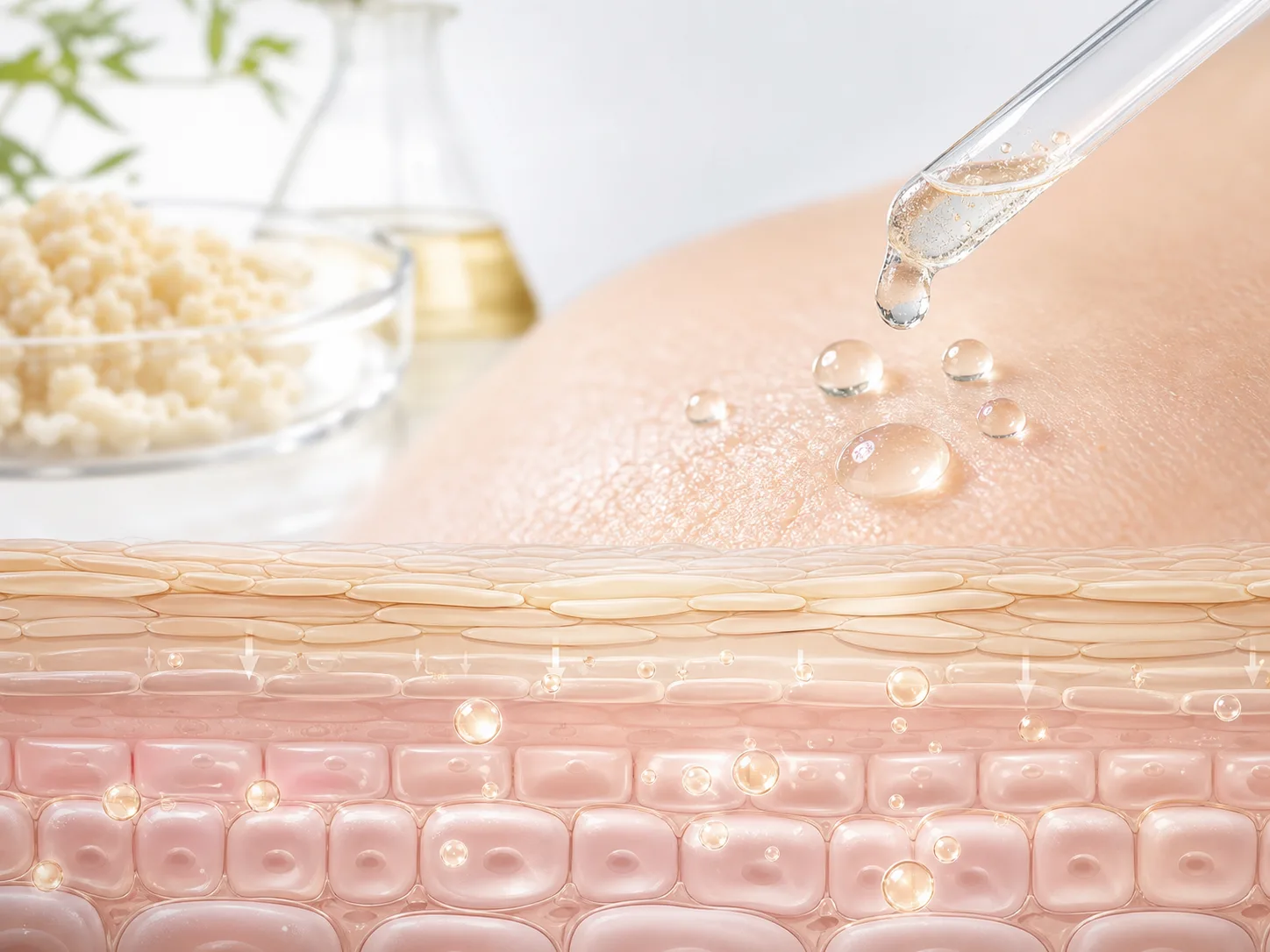
There is no single molecular formula for the whole extract. A particular amino acid or beta-glucan can have its own structure, but the finished yeast ferment is a mixture. Drawing one molecule for it would make the raw material seem more uniform than it is.
How product format changes the experience
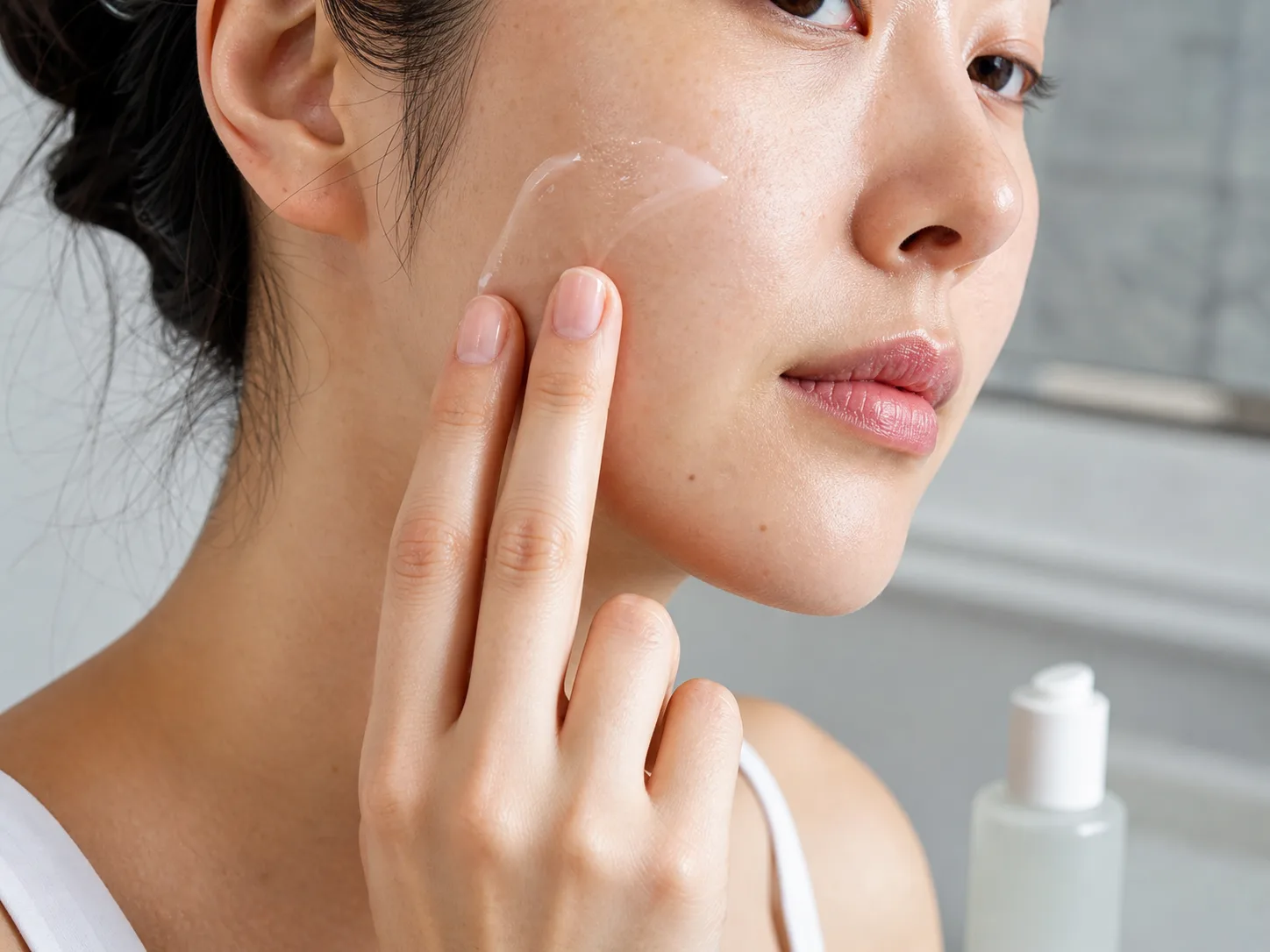
A watery essence or toner makes the lightweight hydration angle easiest to notice. In a serum, look for nearby niacinamide, panthenol, or ceramides to see whether the formula also targets tone and barrier comfort. In a cream, oils, fatty alcohols, and silicones may determine the lasting cushion more than the ferment extract.
A cleanser is a different case because contact time is short. Surfactant strength, fragrance, and the after-wash finish are likely to matter more than a small amount of yeast-derived material.
How to introduce Yeast Ferment Extract
Apply a new essence or serum to a small area near the cheek or jaw first. Introducing it on the same day as acids, retinoids, and a new brightening product makes it difficult to identify the source of irritation. Fermentation does not create a rule that the product must be used every day; follow the label and the way your skin responds.
Yeast-derived materials are not a universal match. Repeated itching, redness, or stinging is a reason to look at fragrance, preservatives, and other extracts in the finished formula rather than forcing an adjustment period.
Questions that clarify Yeast Ferment Extract
Is Yeast Ferment Extract a skin-regenerating ingredient?
Fermentation research may discuss cell activity or recovery-related mechanisms, but a cosmetic yeast ferment should not be presented as a wound treatment or guaranteed regeneration. Hydration, antioxidant context, and a smoother feel are more appropriate cosmetic descriptions.
Is it the same as Galactomyces?
Both are yeast-fermentation materials, but the microorganism and the material listed on the label may differ. Check the exact INCI name instead of treating every ferment as identical.
Can it replace a brightening ingredient?
It may support a fresher-looking surface when hydration and texture improve, but it is not the same as a primary brightening ingredient. Check whether niacinamide, arbutin, or another tone-focused ingredient is also present.
Sources used
- Safety Assessment of Yeast-Derived Ingredients as Used in CosmeticsCosmetic use and safety assessment
- Yeast Extract: Characteristics, Production, Applications and Future PerspectivesPublished evidence and study scope
- The Skin Formulary - Yeast ExtractIngredient characteristics and cosmetic use
- INCIDecoder - Yeast Ferment ExtractIngredient characteristics and cosmetic use
- Paula's Choice - Yeast ExtractIngredient characteristics and cosmetic use