How Aspergillus ferment helps skin
Aspergillus Ferment is used as a skin-conditioning material. In a mist or essence, the first changes you may notice are better spread, a softer surface feel, and support for hydration when the ferment sits beside humectants.
Fermentation changes a substrate through enzymes. Aspergillus species can release amylases that cut starch into smaller sugars and proteases that cut proteins into peptides and amino acids. The finished ferment is therefore a mixture of transformed substrate material and microbial metabolites, not intact mold applied to skin.
Why smaller fermentation products can support hydration
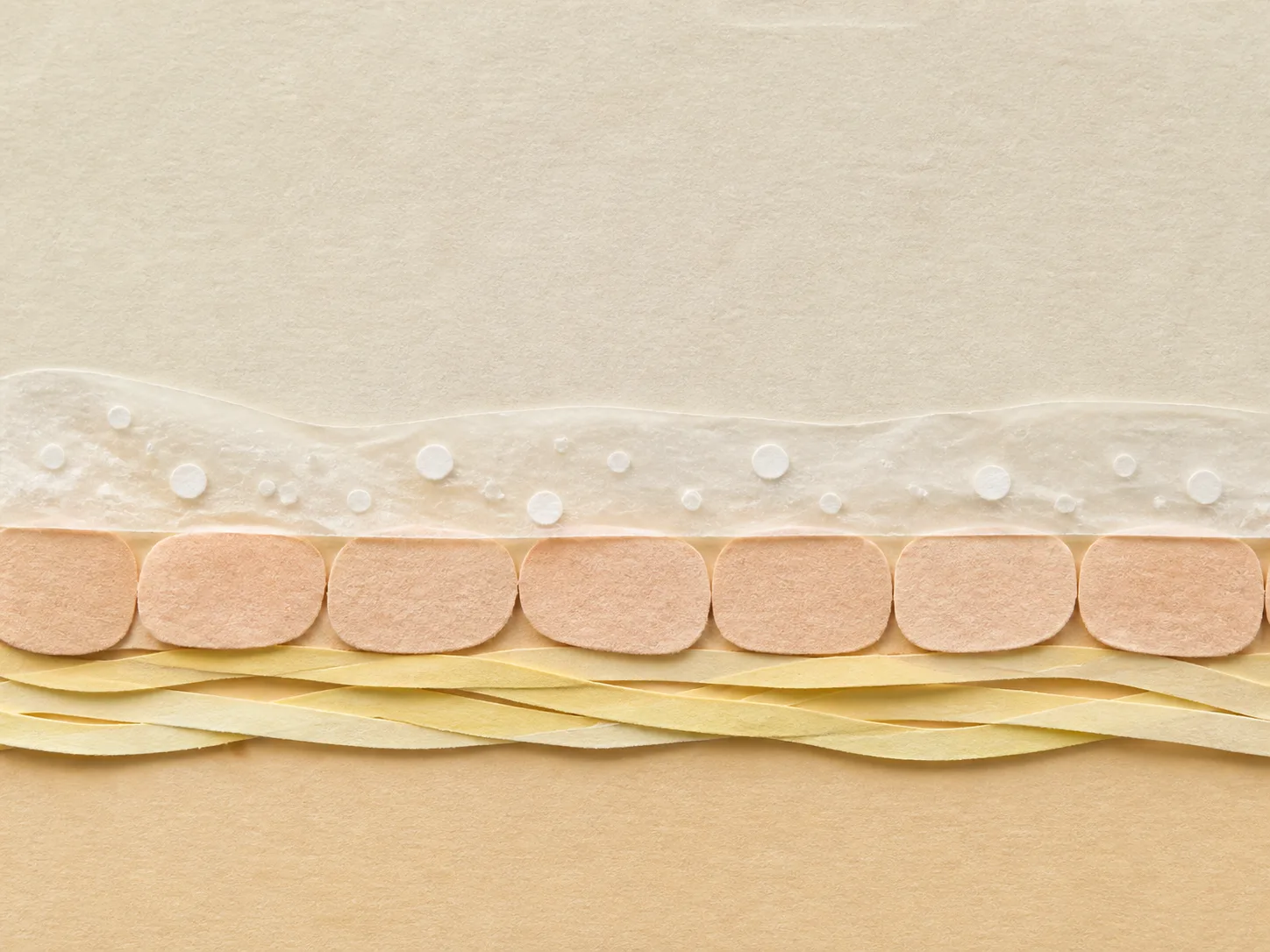
Many amino acids and small sugars carry polar groups that form hydrogen bonds with water. When they remain in the vehicle and upper stratum corneum, they can help hold water and keep corneocytes flexible. Amino acids also belong to the same broad chemical family that contributes to natural moisturizing factor.
This is mainly a surface and upper-barrier effect. It does not require the ferment to penetrate deeply. Glycerin and betaine can add stronger humectancy, while oils or fatty alcohols slow evaporation.
What fermentation may do to antioxidant activity
Enzymes can release phenolic compounds that were bound to larger substrate molecules, and fungal metabolism can produce new low-molecular-weight metabolites. A specific Aspergillus oryzae-fermented wheat peptone showed higher radical-scavenging activity and a changed amino-acid profile compared with its unfermented control.
A separate marine Aspergillus strain extract altered antioxidant-response genes such as CAT, SOD1, and GPX1 in hydrogen-peroxide-stressed human fibroblasts. These studies explain possible routes to antioxidant support, but neither material is automatically identical to the generic cosmetic INCI. Strain, substrate, extraction, and preservation determine the final chemistry.
Why filtrates and rice ferments are different
Aspergillus Ferment, Aspergillus Ferment Extract Filtrate, and Aspergillus/Rice Ferment Extract Filtrate are separate names. A filtrate has had cells or solids removed. A rice ferment declares its substrate. Changing the substrate changes what the enzymes break down and which sugars, peptides, and metabolites remain.
Product claims beyond skin conditioning therefore need standardized raw-material data or a finished-product trial. A result from a rice ferment cannot be assigned to a generic Aspergillus Ferment mist.
Using a mist or essence
When using a mist, check more than the cool feeling immediately after spraying. Check cheek tightness and flaking two or three hours later. Ferment plus glycerin, betaine, or hyaluronic acid points toward water binding; ceramides or squalane add water-loss control.
Use one light layer after cleansing and keep the rest of the routine familiar. Stop if burning or itching persists, and check fragrance, alcohol, acids, and preservatives alongside the ferment when considering the cause.
Sources used
- Korea Cosmetic Association naming listExact INCI identity
- Aspergillus oryzae-fermented wheat peptone studyEnzymes, amino acid composition, and hydration-related markers in a specific substrate
- Marine Aspergillus extract in human fibroblastsStrain-specific oxidative-stress and hydration-gene findings
- CosIng Checker: Aspergillus FermentSkin-conditioning function
- haut.de INCI Detail - Aspergillus FermentIngredient characteristics and cosmetic use
- 쿠스 아스퍼질러스발효물 성분 안내Ingredient characteristics and cosmetic use
- Dr. Althea 345 Relief Cream Mist official ingredient listIngredient characteristics and cosmetic use
- INCIDecoder Aspergillus Ferment product listIngredient characteristics and cosmetic use