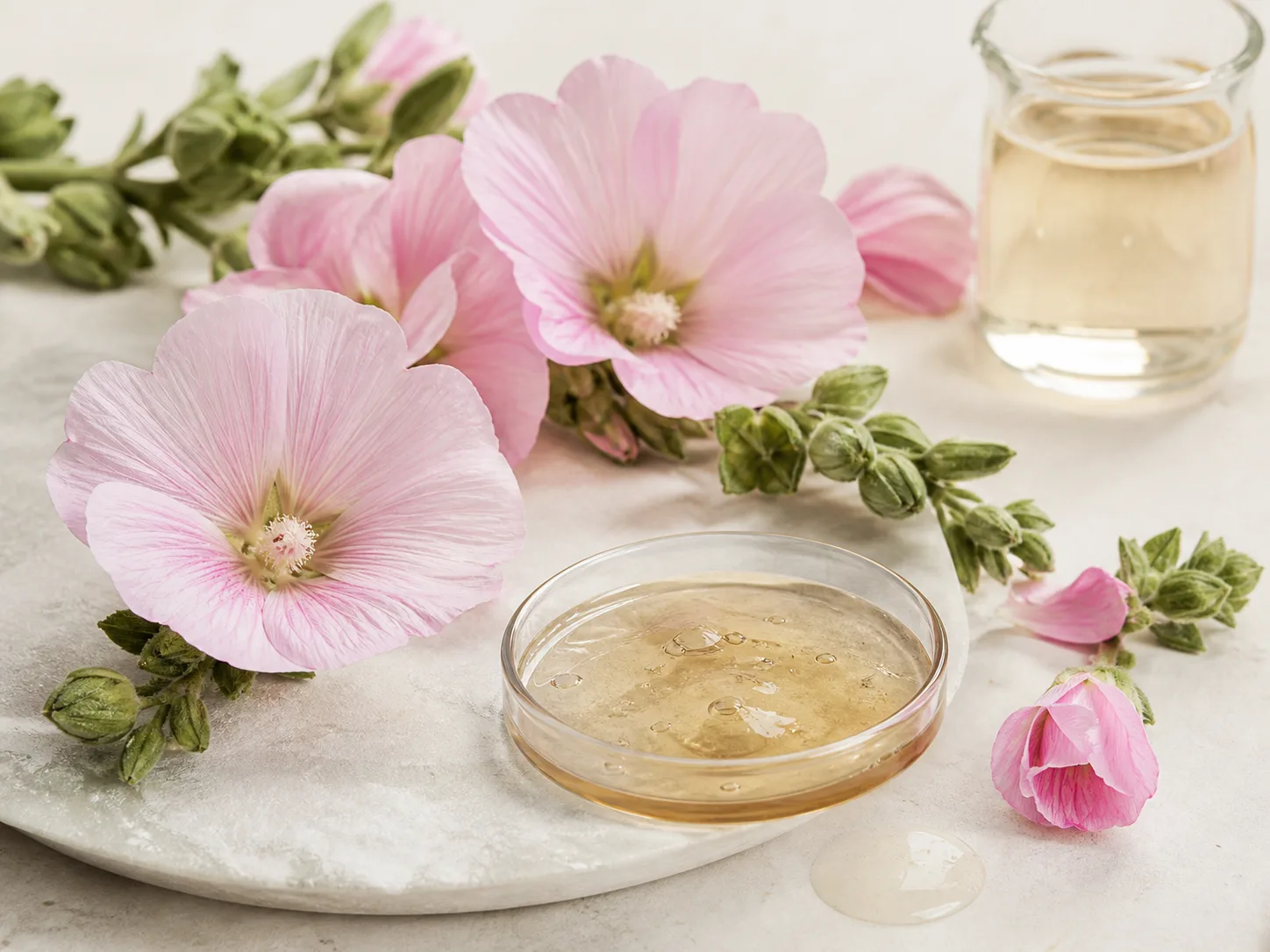
The useful part of the flower is not its fragrance
Althaea Rosea Flower Extract comes from hollyhock flowers. Cosmetic references classify it as a skin-conditioning material, but that label does not explain why it can make a moisturizer feel comfortable. Its moisturizing role comes from mucilage: long, water-loving polysaccharides that swell when they meet water.
Hollyhock is not marshmallow root, and the extract is not rose oil or floral water. Plant part and extraction method matter because they decide how much mucilage or phenolic material reaches the raw ingredient.
How mucilage changes a dry surface
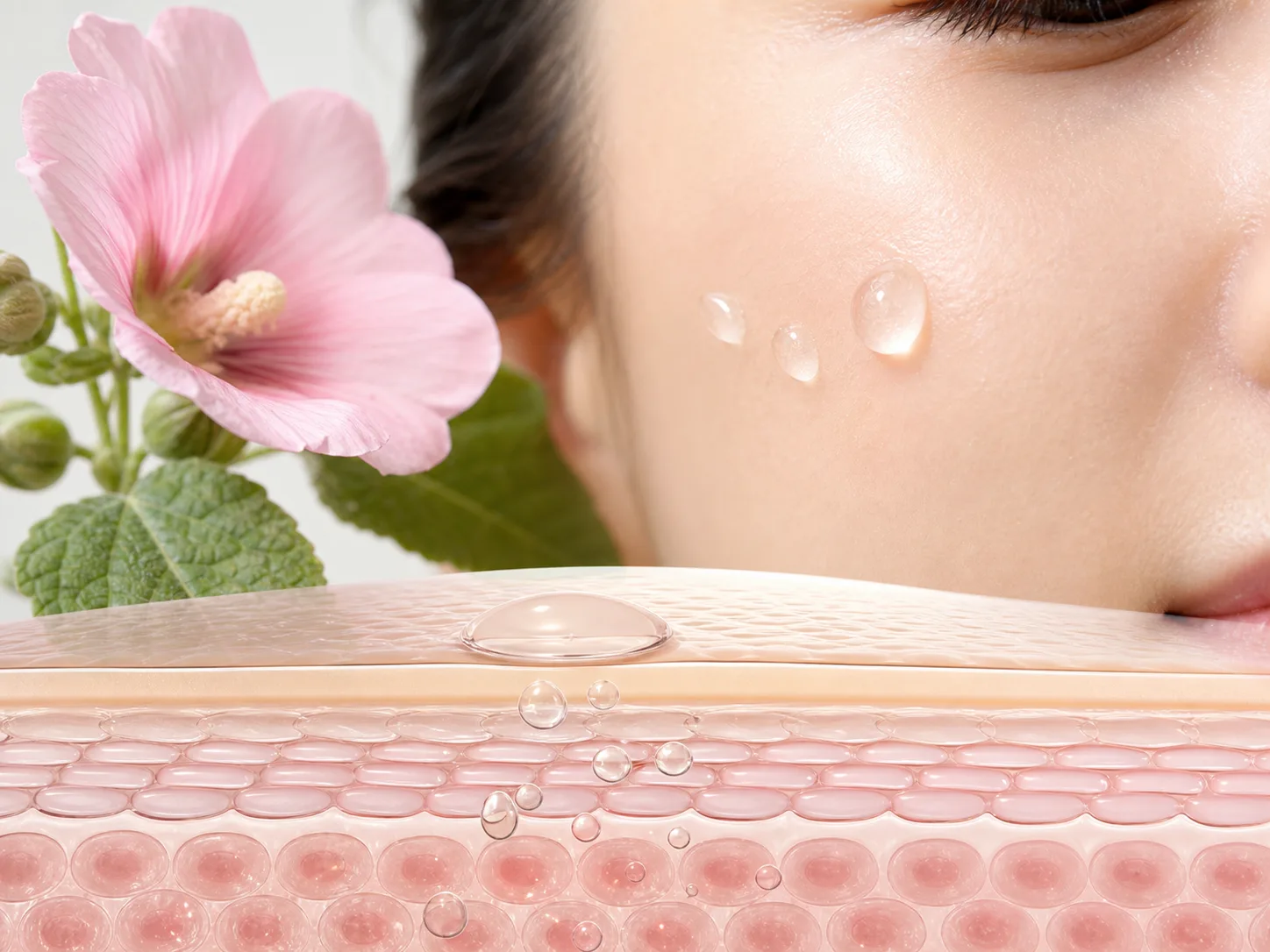
Reported hollyhock polysaccharides contain sugars and uronic acids such as rhamnose, galactose, glucuronic acid, and galacturonic acid. Their hydroxyl and carboxyl groups form hydrogen bonds with water. In a serum or lotion, water can remain around the polymer chains instead of evaporating as quickly from the surface.
The swollen chains also leave a thin, flexible film over the stratum corneum. That film can press down lifted corneocyte edges and reduce friction, which is why dry skin may feel less papery and makeup may catch less on flakes. It is a surface-conditioning effect. The extract has not been shown to rebuild deeper tissue.
Glycerin and betaine can add more water binding. A cream’s oils and fatty alcohols slow the loss of that water. If a watery hollyhock serum still leaves the cheeks tight by noon, the missing piece is probably the emollient layer, not another coat of the same serum.
What the flower phenolics add
Analyses of Althaea rosea flowers report phenolic acids and flavonoids, including caffeic, chlorogenic, ferulic, and p-coumaric acids as well as quercetin-, kaempferol-, and luteolin-related compounds. Phenolic hydroxyl groups can donate an electron or hydrogen atom to a reactive radical, leaving a more stable molecule behind.
A methanolic flower extract has shown DPPH radical-scavenging activity. That is chemical evidence from a particular extract, not a human trial. A water extract selected for mucilage can have a different composition, and a DPPH result cannot tell us that a face cream fades marks or changes wrinkles.
Why extraction details are worth asking for
Water is well suited to pulling out large hydrophilic polysaccharides. Organic solvents may recover a different balance of phenolic acids and flavonoids. Two suppliers can therefore sell the same INCI name while providing raw materials with different solids, viscosity, color, and marker compounds.
Where it works best in a routine
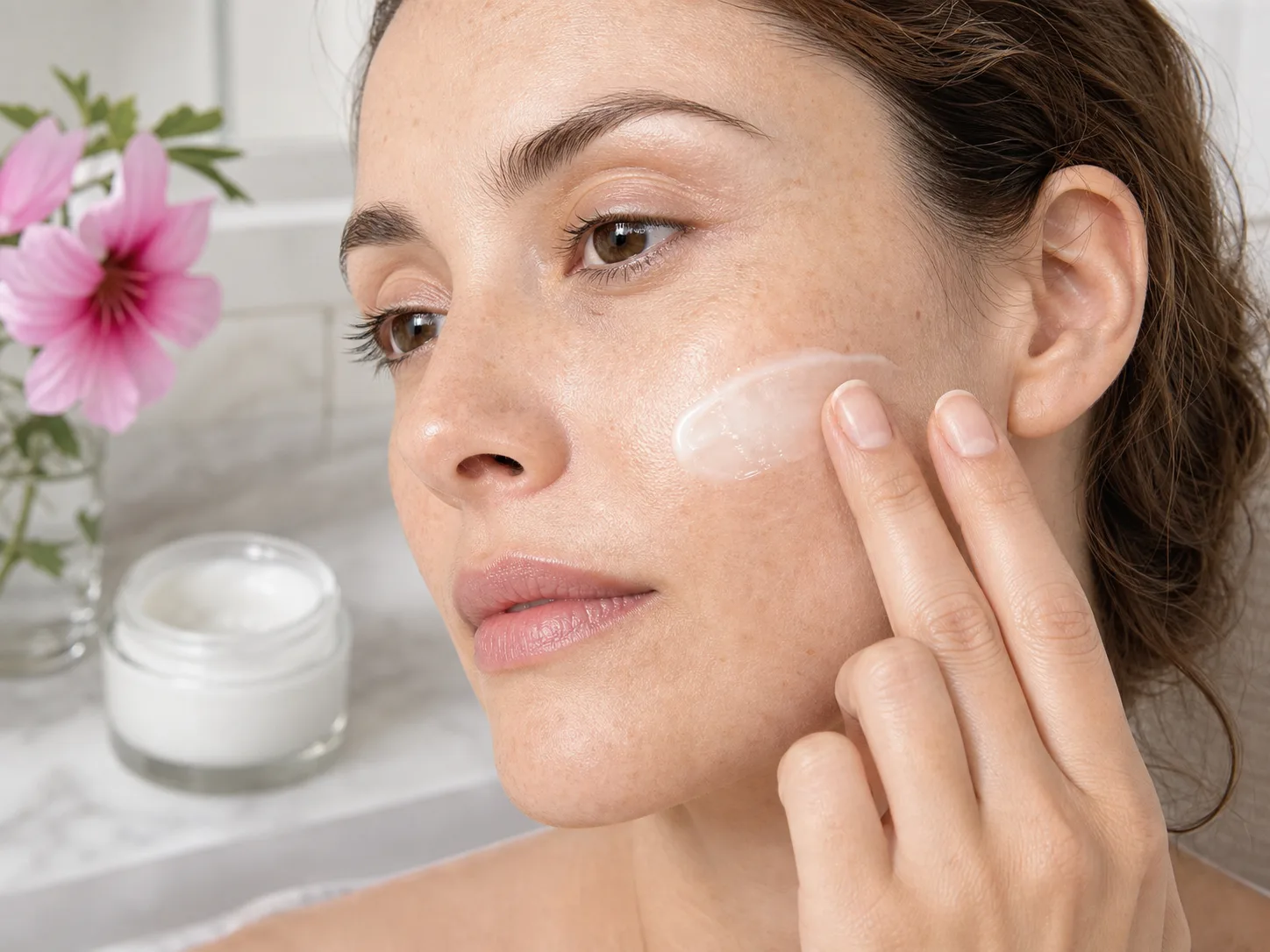
Leave-on serums, lotions, and creams give the hydrated film time to remain on the skin. Check how the product feels two or three hours later, not only during the first slippery minute. Dry skin usually benefits from a cream over the serum; oilier skin may prefer a light gel-cream.
Fragrance, essential oils, and an alcohol-heavy base can work against the comfort promised by a botanical conditioner. Try a new leave-on product on a small area and stop if burning, itching, or a rash persists.
Sources used
- Korea Cosmetic Association ingredient reference
- Cosmetics safety assessment
- Paula's Choice ingredient dictionary
- skinaddictlab.comIngredient characteristics and cosmetic use