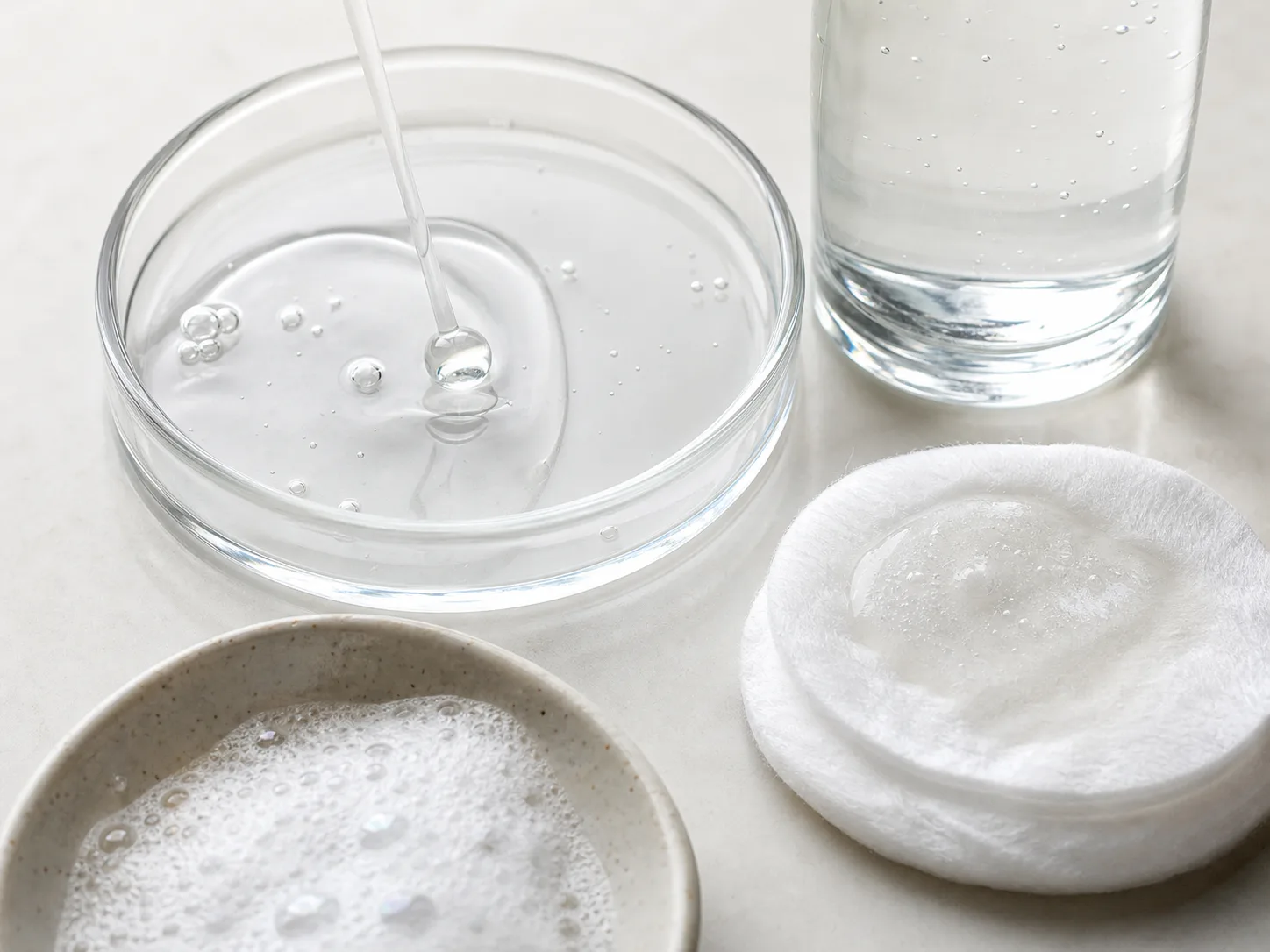
The word acid does not make it an exfoliant
Aspartic Acid is an amino acid, sometimes referred to as aspartate depending on the chemical context. It contains acidic groups, which explains the name, but it does not behave like glycolic acid, lactic acid, or salicylic acid in a skincare formula. Those familiar acids are used to loosen and remove surface buildup. Aspartic Acid is instead a building block of proteins and is used in cosmetics as part of a skin- or hair-conditioning system.
Seeing it on an ingredient list therefore does not turn a toner into a peel. It also does not mean that someone who avoids direct exfoliating acids must automatically avoid the product. The pH and exfoliating character of a finished formula are determined by the whole formulation, not by whether one ingredient happens to include the word acid in its INCI name.
Why amino acids appear in hydration formulas
The outermost layer of skin contains a mixture of small water-binding substances commonly described as natural moisturizing factor, or NMF. Free amino acids are part of that mixture. This is why Aspartic Acid often appears in products marketed around an amino-acid complex or an NMF-inspired hydration system. It is one contributor in a mixture, not a replacement for the skin’s entire moisturizing system.
On a label, it may sit alongside glycine, serine, alanine, arginine, PCA, sodium lactate, or betaine. Together, these water-friendly ingredients can help a formula leave skin feeling less rigid after cleansing and smoother under the next layer. In shampoos, cleansers, and conditioners, amino acids are also used in the broader context of reducing a rough, stripped feel and improving surface conditioning.
There is an important difference between attracting water and keeping it from evaporating. Amino acids and glycerin can help bind water near the surface, but dry skin often needs emollients and lipids such as squalane, ceramides, fatty alcohols, or plant oils to make that comfort last. A watery amino-acid toner can feel immediately fresh and hydrated while still falling short of what a dry complexion needs by late afternoon.
What changes from toner to serum to cream
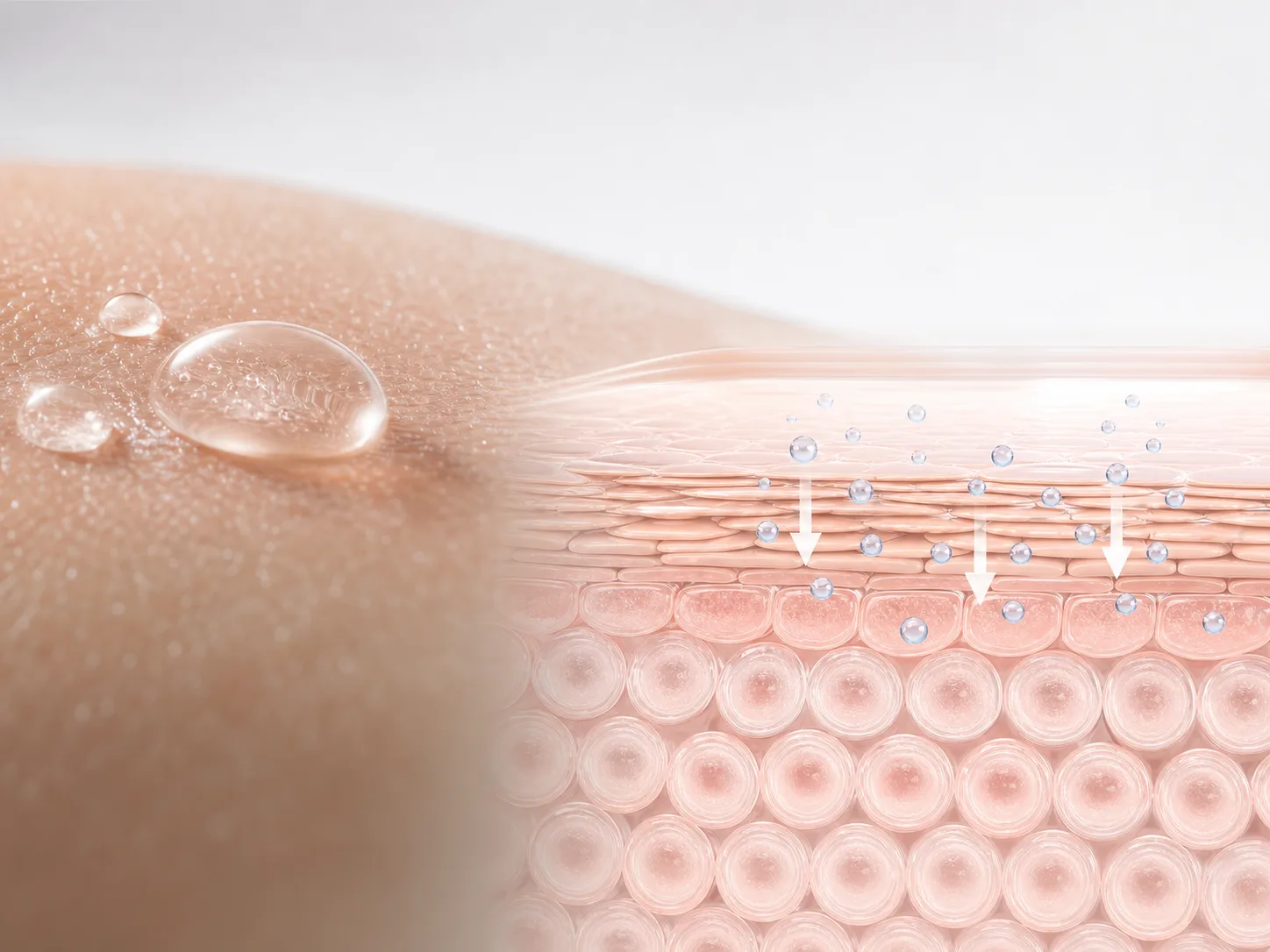
In a watery toner or essence, an amino-acid blend usually supports a light first layer with little residue. If the formula also contains PCA, betaine, and glycerin, it may be especially useful after cleansing when skin feels briefly tight. Alcohol content, fragrance, and the overall solvent system still matter; amino acids cannot cancel out a base that your skin finds uncomfortable.
In a serum, glycerin, hyaluronic acid, polyglutamic acid, and texture polymers are more likely to create the bouncy or temporarily plumped finish that you can see and feel. Aspartic Acid belongs to that hydration system, but it is rarely the sole reason the serum performs well. Combination or oily skin may prefer a gel serum on its own, while dry skin may need a cream over it to slow water loss.
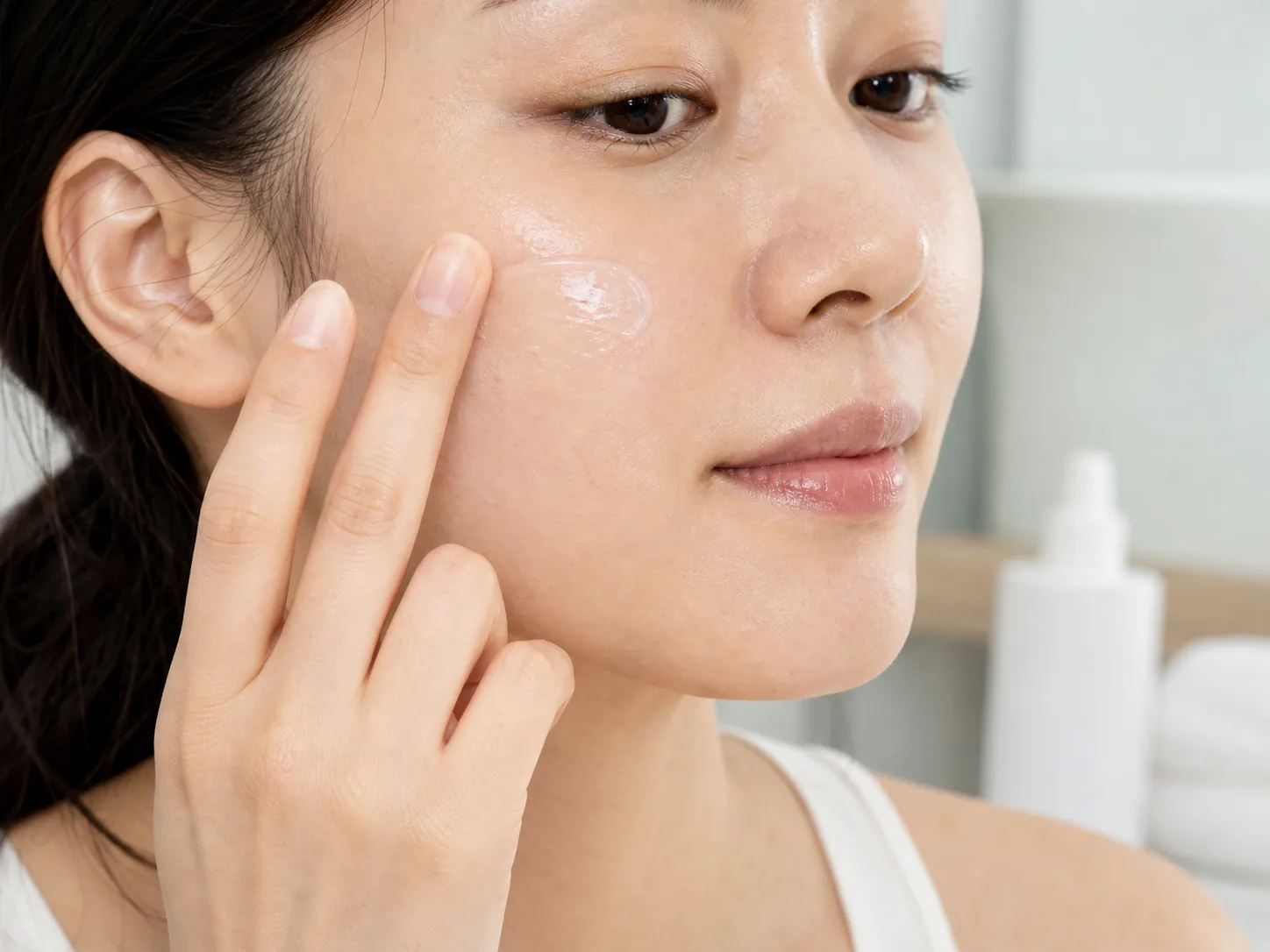
A cleanser works differently because it is rinsed off. Because most of the formula is rinsed away, the surfactant blend and the degree of post-wash tightness matter more than a highlighted amino acid. In a hair conditioner or treatment, Aspartic Acid can sit among ingredients that improve slip and make the fiber feel smoother, but that is surface conditioning rather than permanent repair of damaged hair.
Amino acid does not mean reaction-proof. Fragrance, essential oils, preservatives, exfoliating ingredients, and the rest of an already active routine can still cause stinging or irritation. Introduce one new formula at a time. Repeated burning, itching, or visible rash is a reason to stop, not evidence that an amino-acid product requires a long adjustment period.
Sources used
- PubChem L-Aspartic AcidChemical identity and amino-acid classification
- CIR Safety Assessment of alpha-Amino AcidsCosmetic use and safety context for alpha-amino acids
- Ajinomoto Amino Acid Based IngredientsAmino acids in NMF and personal-care formulation roles
- CreamScan Aspartic AcidConsumer-facing hydration and finished-product use