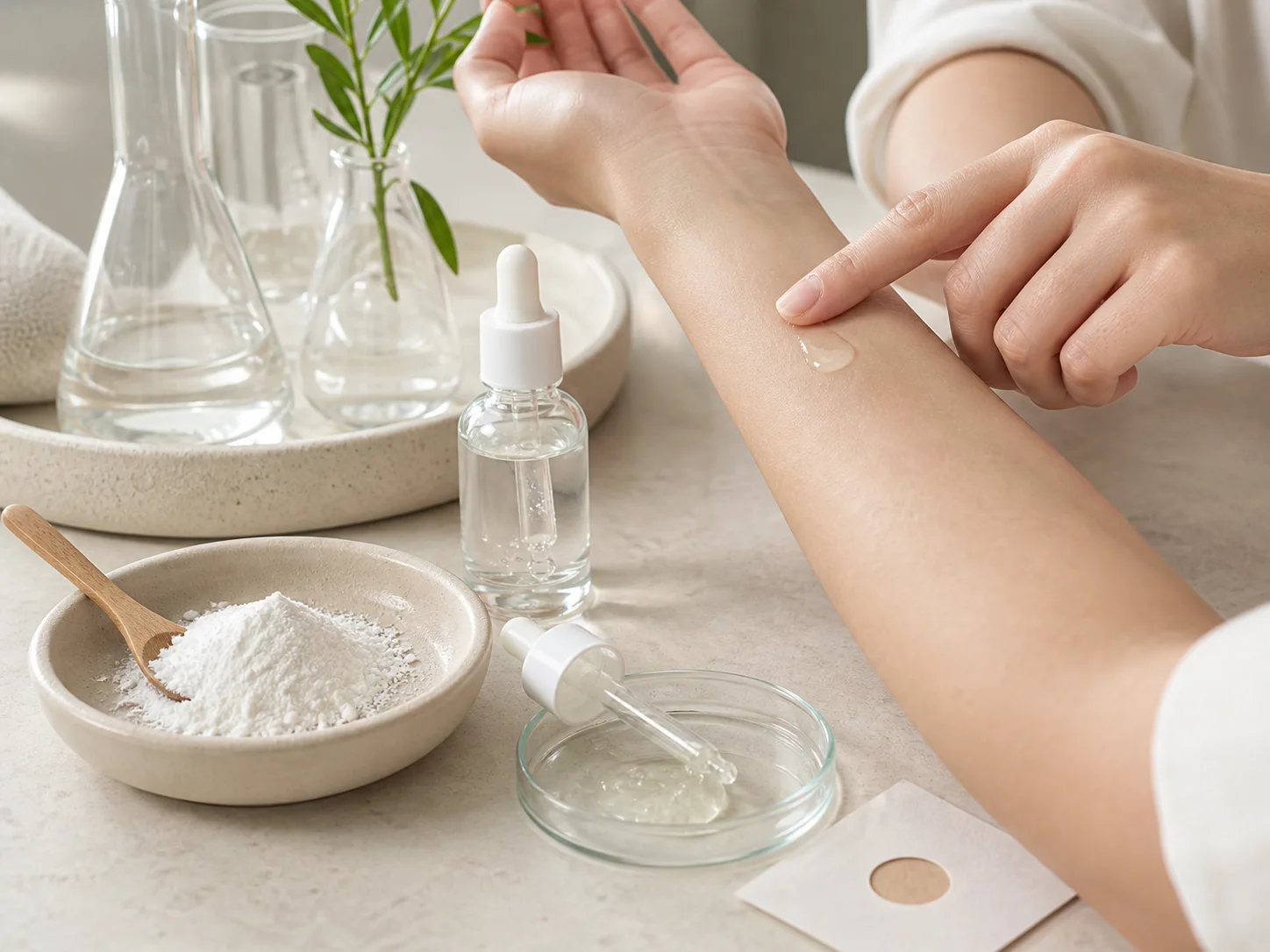
Azelaic acid acts on clogged pores, inflammation, and pigmentation
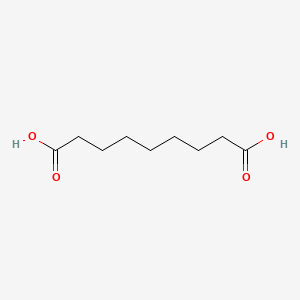
Azelaic acid is a dicarboxylic acid, molecular formula C9H16O4, found naturally in grains and also manufactured for consistent topical use. It works across several processes that often appear together: clogged pores, acne-related inflammation, excess pigment left after a blemish, and persistent redness.
For acne, it helps normalize the way dead cells collect around the follicle and has activity against acne-associated bacteria. It also reduces inflammatory signals. For dark marks, it interferes with tyrosinase, an enzyme involved in melanin production, which is why post-inflammatory brown spots can gradually look lighter. Prescription azelaic acid is also used for acne-like rosacea bumps and may improve lingering color, although flushing caused by heat or blood-vessel changes may not respond the same way.
Why sensitive skin may prefer it
Azelaic acid does not need the very low pH associated with a strong glycolic peel, and it is often chosen when retinoids, benzoyl peroxide, or frequent exfoliation feel too aggressive. That does not make it sensation-free. Tingling, itching, dryness, and burning are well documented, especially during the first weeks and with higher-strength gels or foams.
Start two or three nights a week on dry skin. A pea-sized amount is enough for the whole face. Follow with moisturizer, or apply moisturizer first and azelaic acid second if direct application stings. Increase toward daily use only after the skin is comfortable. Persistent burning, swelling, hives, or worsening redness is a reason to stop rather than “push through.”
Concentration and formula affect irritation
Over-the-counter cosmetic formulas commonly use lower concentrations, while 15% and 20% products are often regulated as medicines depending on the market. A higher number may produce a stronger effect, but the formula matters: a gel can feel light yet sting on compromised skin; a cream may buffer dryness but feel heavy; a silicone-rich suspension can pill under sunscreen.
Look for a formula you can apply consistently. Glycerin, panthenol, ceramides, or squalane can make dry skin more comfortable. Fragrance and multiple exfoliating acids can undermine the reason for choosing a gentler active.
Build a routine around the actual concern
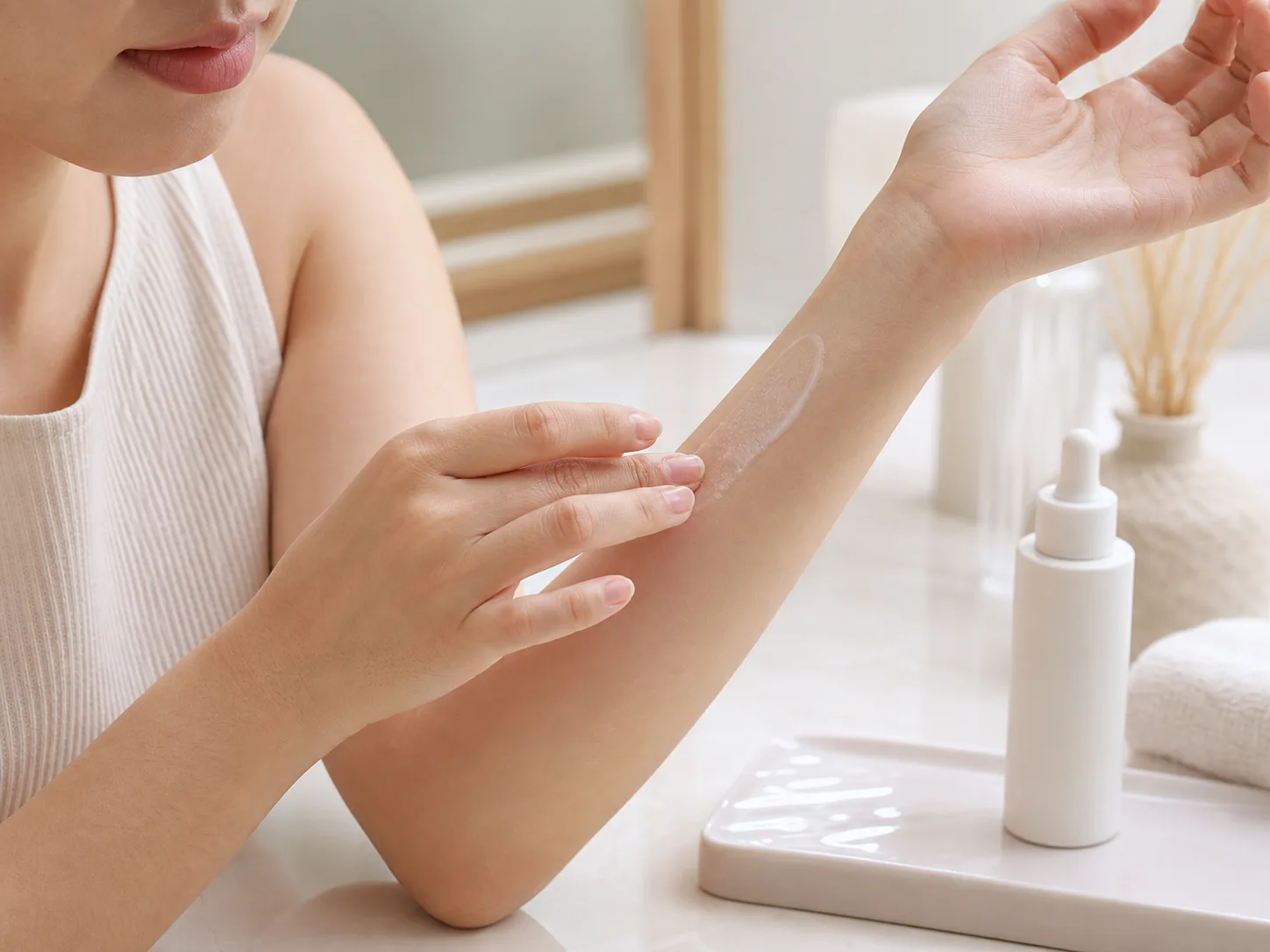
For post-acne marks, use azelaic acid consistently and wear sunscreen every morning to limit new UV-driven pigment. For breakouts, give the routine several weeks and assess the number and severity of lesions rather than expecting an overnight spot treatment. For redness, track whether bumps and persistent color improve, while recognizing that sudden flushing has many triggers.
Niacinamide and moisturizers fit easily alongside azelaic acid. If you also use retinoids or salicylic acid, start them at different times or on different days. Introduce products gradually to help identify the cause if irritation develops.
Match the result to the type of mark
A flat brown post-acne mark is driven largely by melanin, making tyrosinase inhibition relevant. A red or purple mark reflects residual inflammation and vascular change and may fade at a different pace. Raised or indented scars are structural and need another plan.
Foams spread easily over large or hair-bearing areas. Gels feel light but can sting compromised skin; creams cushion dry skin. Cosmetic suspensions often feel powdery because azelaic acid is difficult to dissolve and can pill when overapplied. Track new inflamed lesions every two weeks, compare brown marks monthly, and note whether baseline redness or only sudden flushing changes.
Sources used
- American Academy of Dermatology: Adult acne treatmentConsumer context for azelaic acid in adult acne and post-acne dark marks
- American Academy of Dermatology: Rosacea treatmentUse context separating rosacea papules and pustules or persistent color from sudden flushing
- DailyMed: Azelaic Acid GelRegulated 15% gel label, papule and pustule indication, and irritation or hypersensitivity cautions
- DermNet: Azelaic AcidDicarboxylic-acid identity, inflammatory, antimicrobial, keratinization, and tyrosinase mechanisms, plus gradual introduction
- Azelaic Acid: Mechanism and Clinical ApplicationEvidence review of anti-infective, anti-inflammatory, follicular-keratinization, and melanogenesis mechanisms
- PubChem: Azelaic AcidExact chemical identity and structure of azelaic acid
- Azelaic acid formulation reviewHow concentration and delivery vehicle can change efficacy and irritation
- Cleveland Clinic: Azelaic Acid Cream Medication GuidePatient guidance on a medicated acne cream and irritation, distinguished from instructions for cosmetic serums.