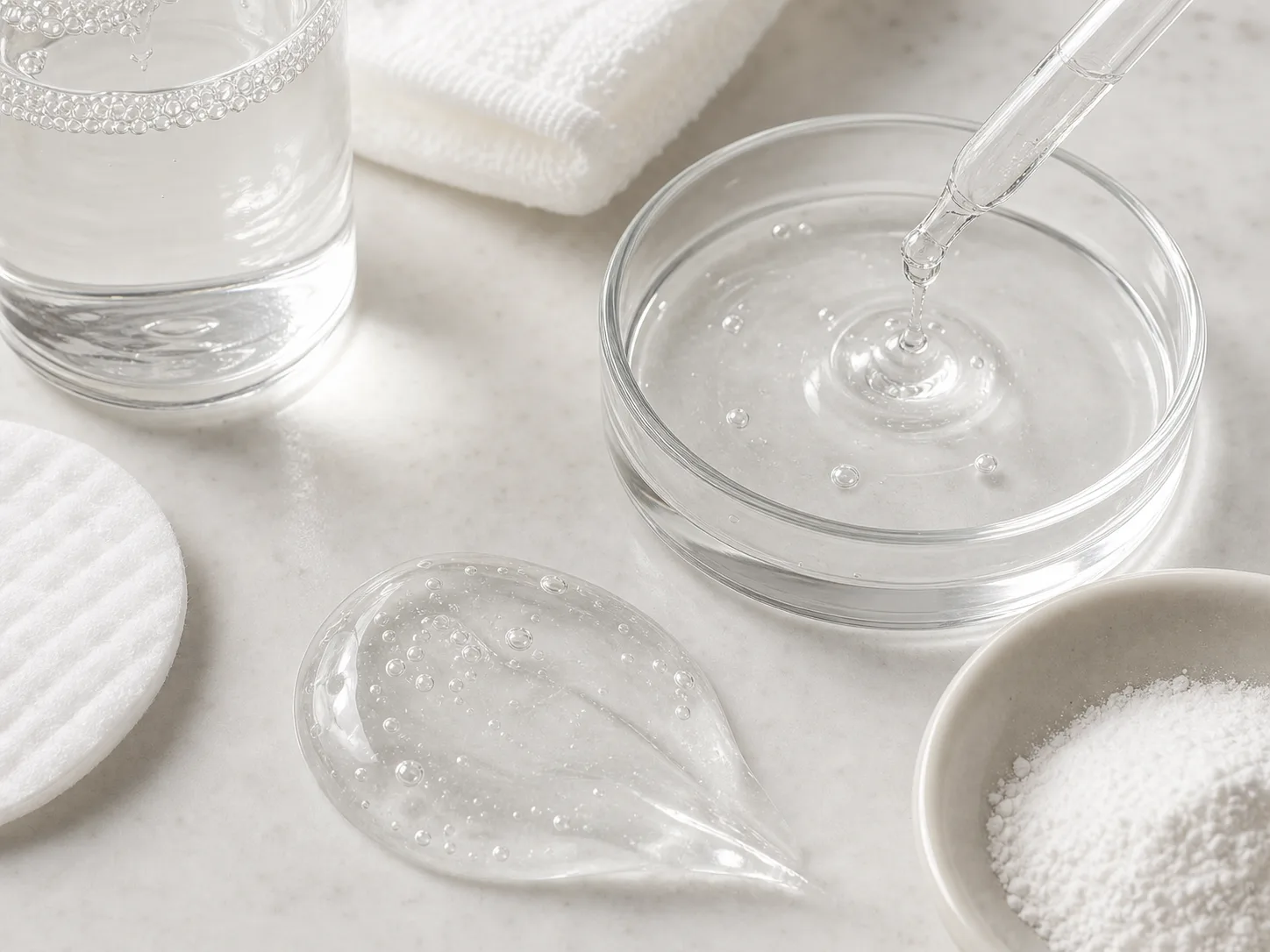
What this ingredient is for
Hydroxyphenyl Propamidobenzoic Acid is the kind of long INCI name that often appears in formulas designed for skin that feels easily irritated. Its main cosmetic role is soothing: helping the skin feel more comfortable when warmth, stinging, or itch-like discomfort is part of the experience. COSMILE lists it as a skin-conditioning ingredient, while cosmetic ingredient explainers discuss it in an anti-irritant and soothing context.
Why it is associated with soothing
Hydroxyphenyl Propamidobenzoic Acid is dihydroavenanthramide D, a synthetic relative of oat avenanthramides. In a cell study, it interacted with the NK1 receptor, reduced mast-cell degranulation, and lowered IL-6 release. Mast cells are immune cells that release substances involved in itch and inflammation. This offers a reason for its use in soothing products beyond a temporary cooling sensation; it is not a clinical result for every finished cream.
With regular use, the change to look for is less noticeable stinging, itch-like discomfort, and visible redness after a product is applied. The experience may be more noticeable when the formula also contains humectants such as glycerin or panthenol and barrier-supporting lipids such as ceramides.
Structure and the SymCalmin name
This is a single synthetic organic molecule with the molecular formula C16H15NO4. Its structure includes an aromatic system, a phenolic hydroxyl group, and an amide linkage. That is different from a botanical extract, which represents a mixture whose composition can vary with the raw material and extraction process.
Hydroxyphenyl Propamidobenzoic Acid and SymCalmin should not automatically be treated as interchangeable label names. SymCalmin is used as a raw-material or trade name in some ingredient discussions and may refer to a preparation containing the molecule rather than an undiluted single ingredient. The supplier specification is the place to check the exact composition.
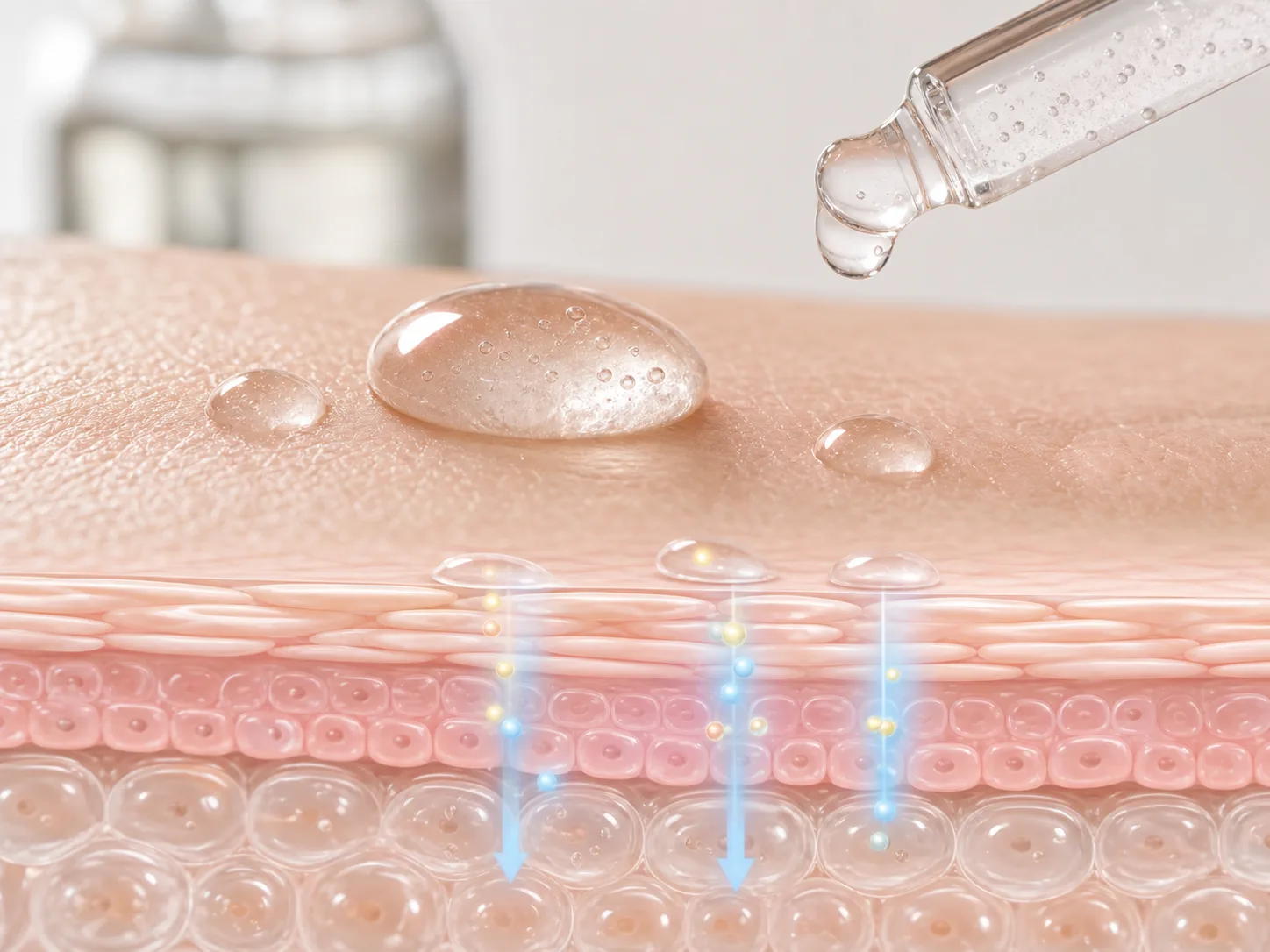
Where it fits in a product
In a toner or mist, the ingredient can sit inside a post-cleansing comfort formula. In a serum or cream, it is more likely to be paired with moisturizers and emollients so the skin stays comfortable for longer. In a cleanser, contact time is short, so surfactant strength and the after-wash finish usually matter more than this supporting ingredient.
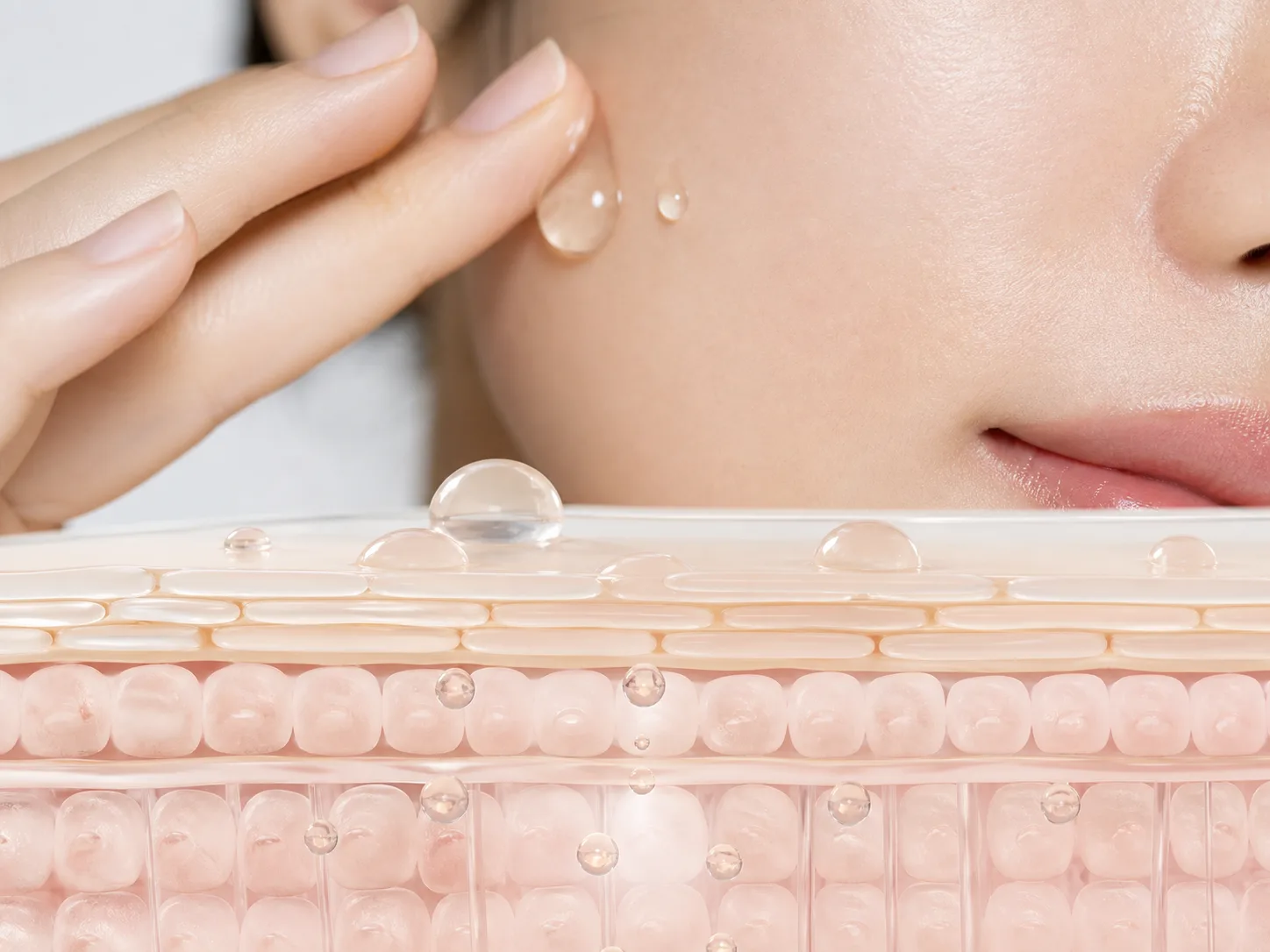
Read the neighboring ingredients as well as the highlighted one. A fragrance-heavy formula or one that combines several strong actives may still sting. A simpler formula with glycerin, panthenol, betaine, or ceramides may be easier to fit into a daily routine, although no ingredient list can guarantee that result for every person.
Where Hydroxyphenyl Propamidobenzoic Acid fits in a routine
Start on a small area near the jaw or cheek. If the product feels comfortable, use it at the step and amount recommended on the label. When acids or retinoids are already in the routine, avoid changing several potentially irritating products at once so the source of discomfort remains clear.
Persistent itch, eczema, atopic dermatitis, and allergy have causes that a cosmetic formula cannot identify. Stop using a product if swelling, hives, or continuing burning appears, and consider the whole formula rather than trying to push through the reaction.
Sources used
- Professional ingredient databaseIngredient characteristics and cosmetic use
- Manufacturer technical sourceMaterial composition and formulation use
- Professional cosmetic referenceIngredient characteristics and cosmetic use
- Reader context sourceIngredient characteristics and cosmetic use
- Professional cosmetic referenceIngredient characteristics and cosmetic use
- Dihydroavenanthramide D and NK1RSpecific study material and mechanism; linked in body