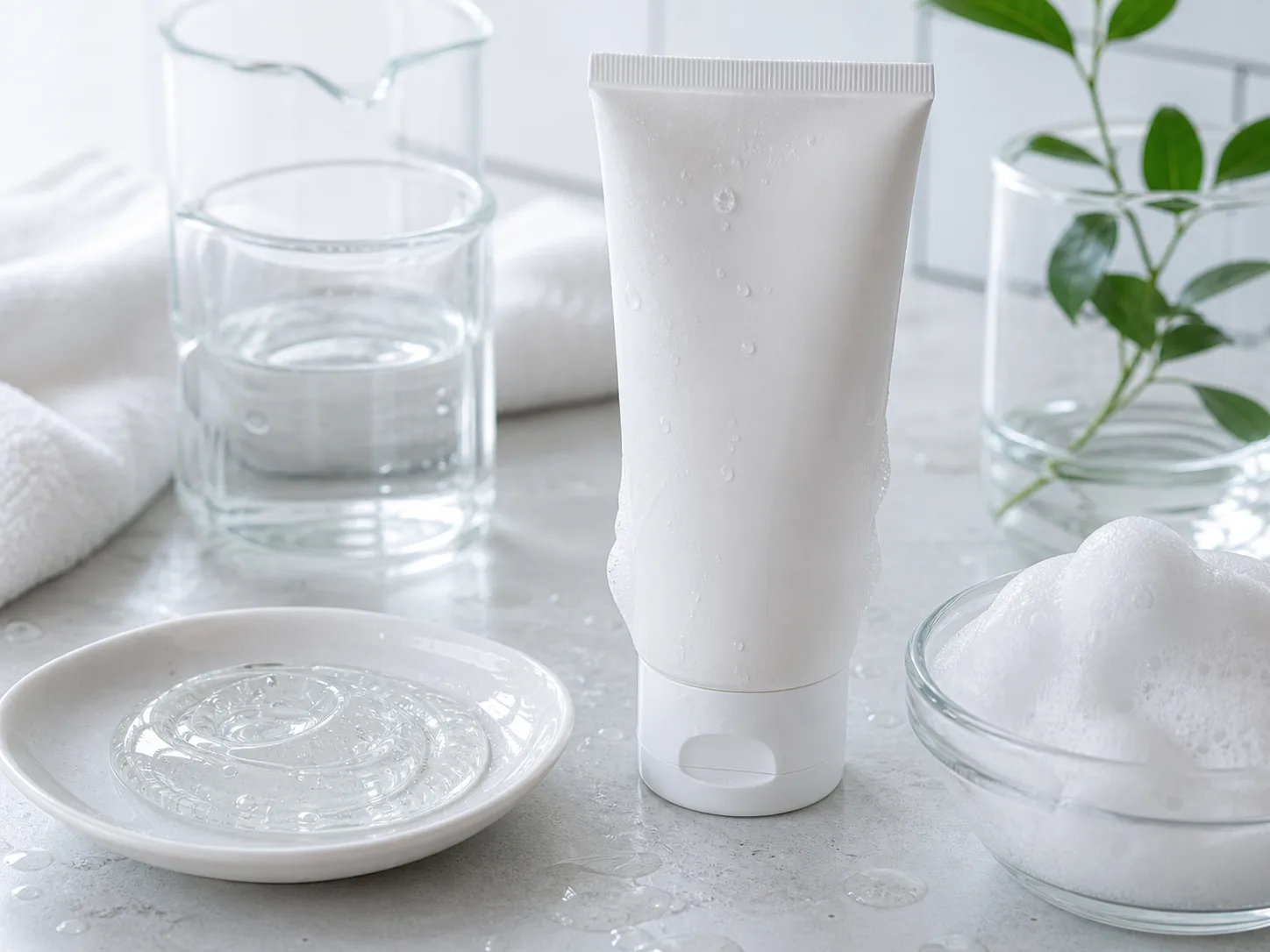
Salicylic acid loosens dead cells around pore openings
Salicylic acid is an oil-soluble BHA that loosens sebum and dead cells around pore openings. It helps blackheads, whiteheads, shine, and rough congestion, but normal sebaceous filaments refill. The goal is fewer stubborn plugs, not permanent pore erasure.
A rinse-off cleanser has shorter contact with skin
A cleanser has shorter contact than leave-on BHA, often making it easier to tolerate but potentially subtler. Follow product directions; roughly 30 to 60 seconds is common, but longer is not better when skin stings. A harsh surfactant base can cause tightness regardless of active concentration.
It suits an oily T-zone and recurring comedones. Combination skin can target only the nose and chin. If you already use retinoids, benzoyl peroxide, or acids, begin every other day or three times weekly. Irritation is not successful purging.
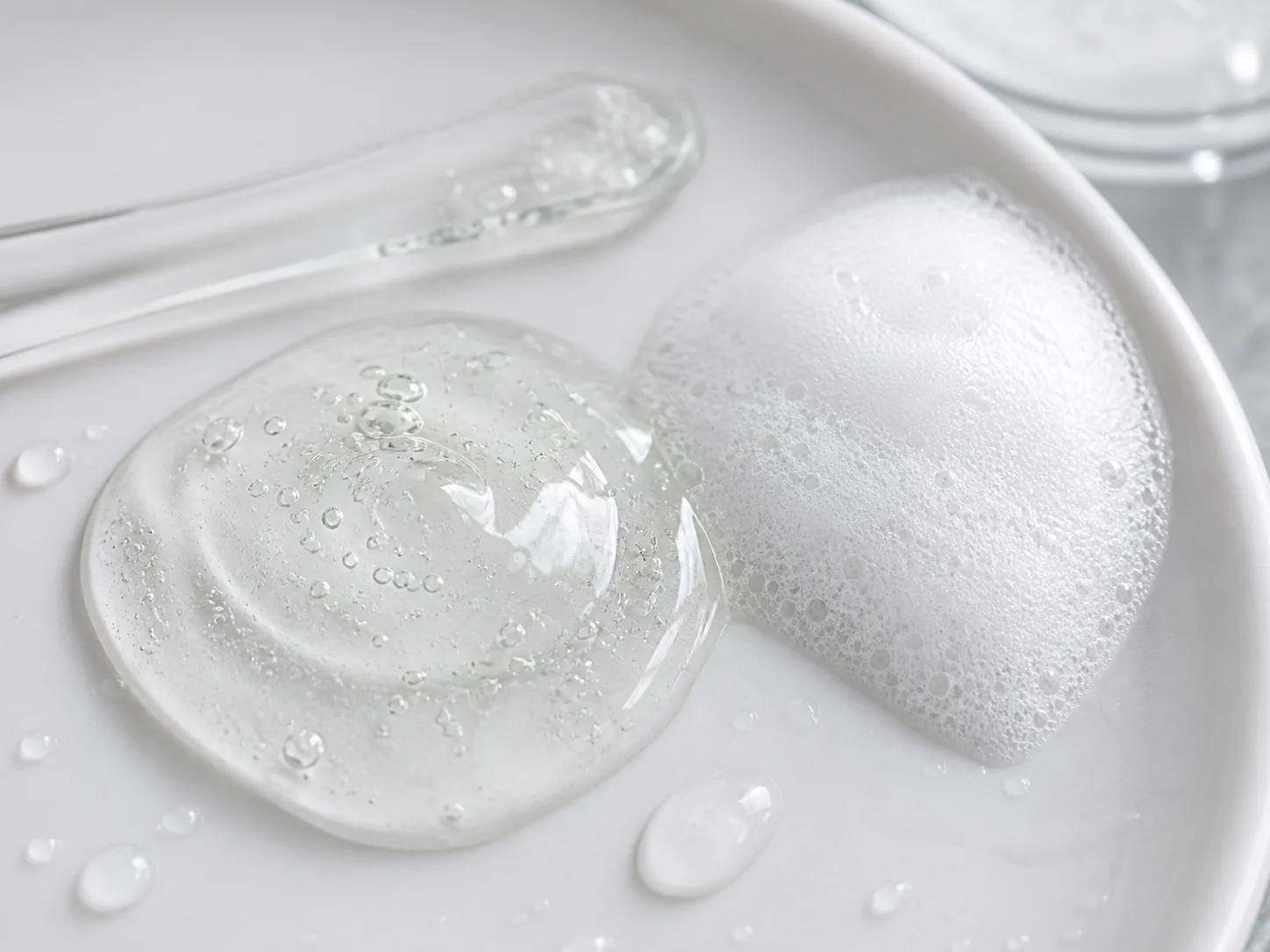
Foam volume does not measure efficacy. Choose a gel for an oily feel or a mild cream cleanser for dry acne-prone skin. Moisturize after rinsing and use sunscreen. Over two to four weeks, track both fewer clogs and any increased peeling or redness.
Why salicylic acid suits an oily pore
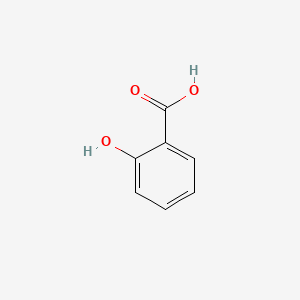
Salicylic acid is a small aromatic molecule with hydroxyl and carboxyl groups. Its affinity for an oily environment helps it reach sebum-rich pore openings and loosen cohesion among dead cells. Unlike a scrub that mechanically abrades protruding flakes, it supports more even shedding. Its anti-inflammatory properties also help explain its long use in acne products.
Formulation pH changes how much salicylic acid is ionized, affecting movement into skin and irritation. Consumers cannot reliably calculate performance from pH alone because surfactants, solvents, concentration, and contact time interact. Finished-product directions and actual tolerance remain essential.
Blackheads versus sebaceous filaments
A blackhead is a compact plug whose exposed contents oxidize and darken. Sebaceous filaments are smaller, evenly distributed channels that help sebum reach the surface. They are especially visible across the nose and naturally refill. Salicylic acid can make both less noticeable, but only a blackhead is a clogged comedone.
Combining oil cleansing, prolonged acid contact, extraction tools, and pore strips in one session may produce a dramatic clean look while injuring the pore rim. Consistent gentle use is more likely to reduce recurring congestion without causing peeling that makes texture look worse.
Cleansing ingredients also affect dryness
Sodium laureth sulfate is not automatically harmful, but a high-cleansing system can strip a dry or retinoid-treated face. Milder isethionate- or betaine-based systems and cream cleansers may preserve more comfort. Low foam does not mean a cleanser cannot remove sunscreen and excess sebum.
Zinc, clay, and niacinamide can support an oil-control positioning, though clay may increase dryness. Glycerin and ceramides can improve the after-wash feel. Menthol creates cooling sensation rather than evidence of deeper pore cleansing.
Face and body use are different
A salicylic body wash is convenient for clogged pores on the back or chest. The thicker skin and rinse-off shower setting may tolerate the label-directed contact period better than facial skin. Keep it away from mucous membranes, freshly broken skin, and highly irritated folds.
Shaving creates micro-injuries that can make acid cleanser sting. Use a bland wash around shaving or separate the treatments. Anyone with a history of serious aspirin or salicylate hypersensitivity should seek individualized advice before broad-area use rather than assuming a rinse-off product cannot matter.
When cleanser is not enough
After six to eight comfortable weeks, persistent comedones may respond better to carefully introduced leave-on BHA because exposure is longer. Do not simply leave cleanser on for several minutes beyond its directions. If adding a leave-on, alternate it with the acid wash at first so you can assess your skin’s reaction.
Inflamed acne often needs a different primary tool, such as benzoyl peroxide or a retinoid, and deep painful lesions or scarring deserve professional treatment. A cleanser is valuable supportive therapy, but expecting it to do every part of acne management leads to over-cleansing.
Measuring success without overdoing it
Count new clogged bumps over a two-week period rather than inspecting pores after every wash. Also note tightness, burning when moisturizer is applied, and shiny-but-dehydrated skin. Those signs indicate the routine is too aggressive even if oil briefly looks reduced. The ideal cleanser leaves enough comfort to use consistently.
Sources used
- American Academy of Dermatology: acne skin-care tipsGentle cleansing and irritation-reduction principles for acne-prone skin
- PubChem: Salicylic AcidExact chemical identity and physicochemical profile of salicylic acid
- FDA OTC Monograph M006: Topical Acne Drug ProductsAllowed concentrations and labeling context for salicylic acid in US OTC acne products
- Cosmetic Ingredient Review: Salicylic Acid and SalicylatesCosmetic-use and safety assessment of salicylic acid and salicylates
- Salicylic acid cleanser versus benzoyl peroxide washShort-contact finished-product context for a 2% salicylic acid cleanser
- Randomized study of acne cleansersResults from a combination cleanser and the inability to isolate salicylic acid alone