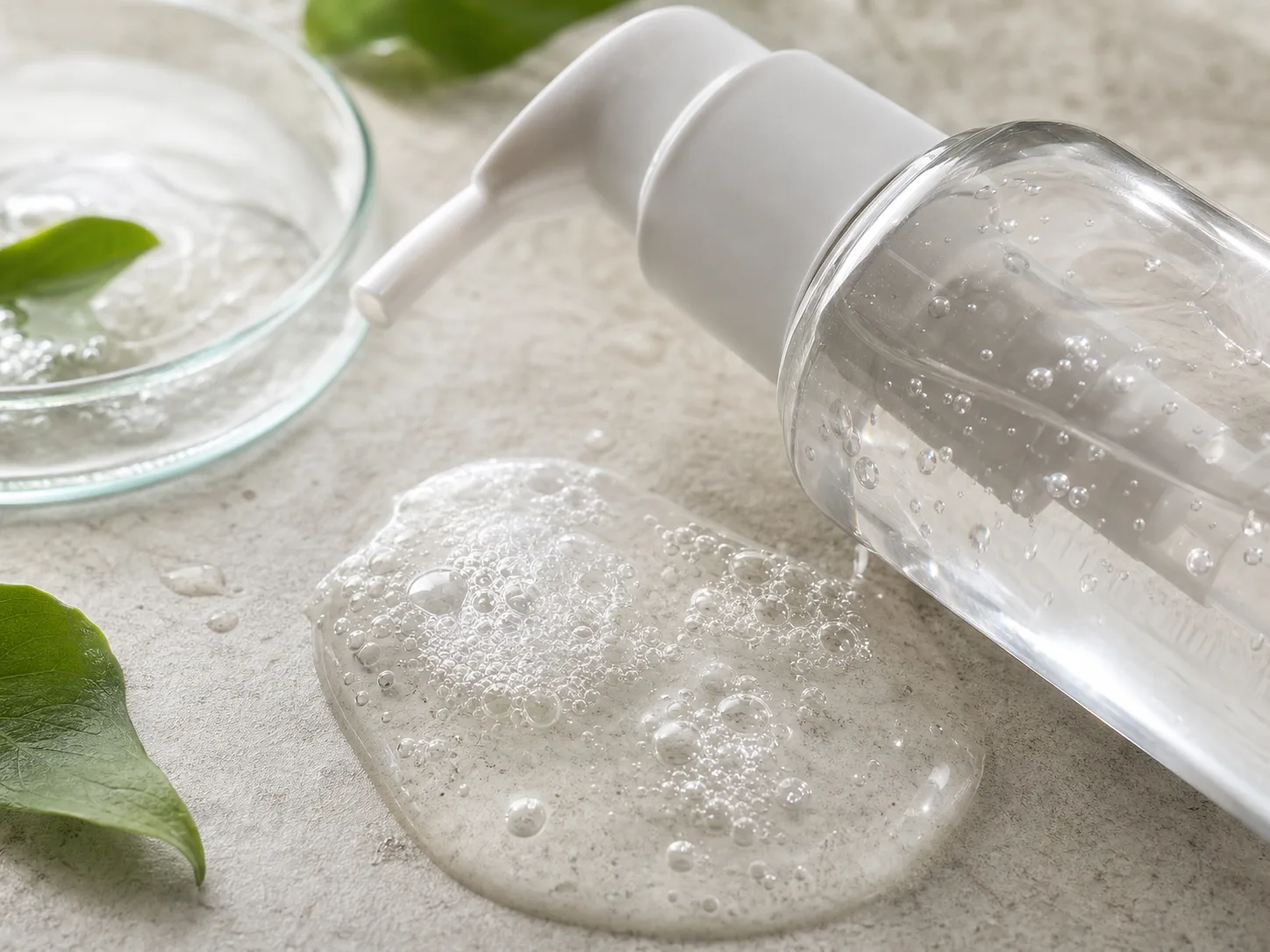
What LHA means on a cleanser label
LHA usually refers to capryloyl salicylic acid, a salicylic acid derivative with an eight-carbon fatty chain attached. That modification makes the molecule more lipophilic and changes how it spreads through the outer, oil-rich layers of skin. It is used for controlled surface exfoliation, smoother texture, and the appearance of clogged pores.
A rinse-off product stays on the face for much less time than a toner or serum. Follow its contact-time directions rather than leaving the foam on to imitate a peel. This guide focuses on choosing and using the wash; the LHA benefits guide explains its exfoliating action and how it differs from salicylic acid.
What it may improve
Oily skin with small bumps, roughness around the nose, or recurring blackheads may benefit from the combination of cleansing and light exfoliation. LHA helps loosen the compacted surface cells that make pores look dull and uneven. Many LHA cleansers also contain salicylic acid, which has a stronger evidence base for unclogging pores, so the visible result may come from the combination rather than LHA alone.
A cleanser cannot permanently shrink a pore. It may make pores look cleaner and less shadowed by removing oil and compacted debris. Inflamed or widespread acne usually needs a leave-on active or medical treatment rather than increasingly aggressive washing.
Choose the cleansing base first
A strong foaming base can remove oil efficiently but leave the cheeks tight and shiny-dry. Look for glycerin, betaine, panthenol, or mild surfactants if you want daily use. Menthol, fragrance, and several acids in the same cleanser may feel invigorating while making reactive skin less comfortable.
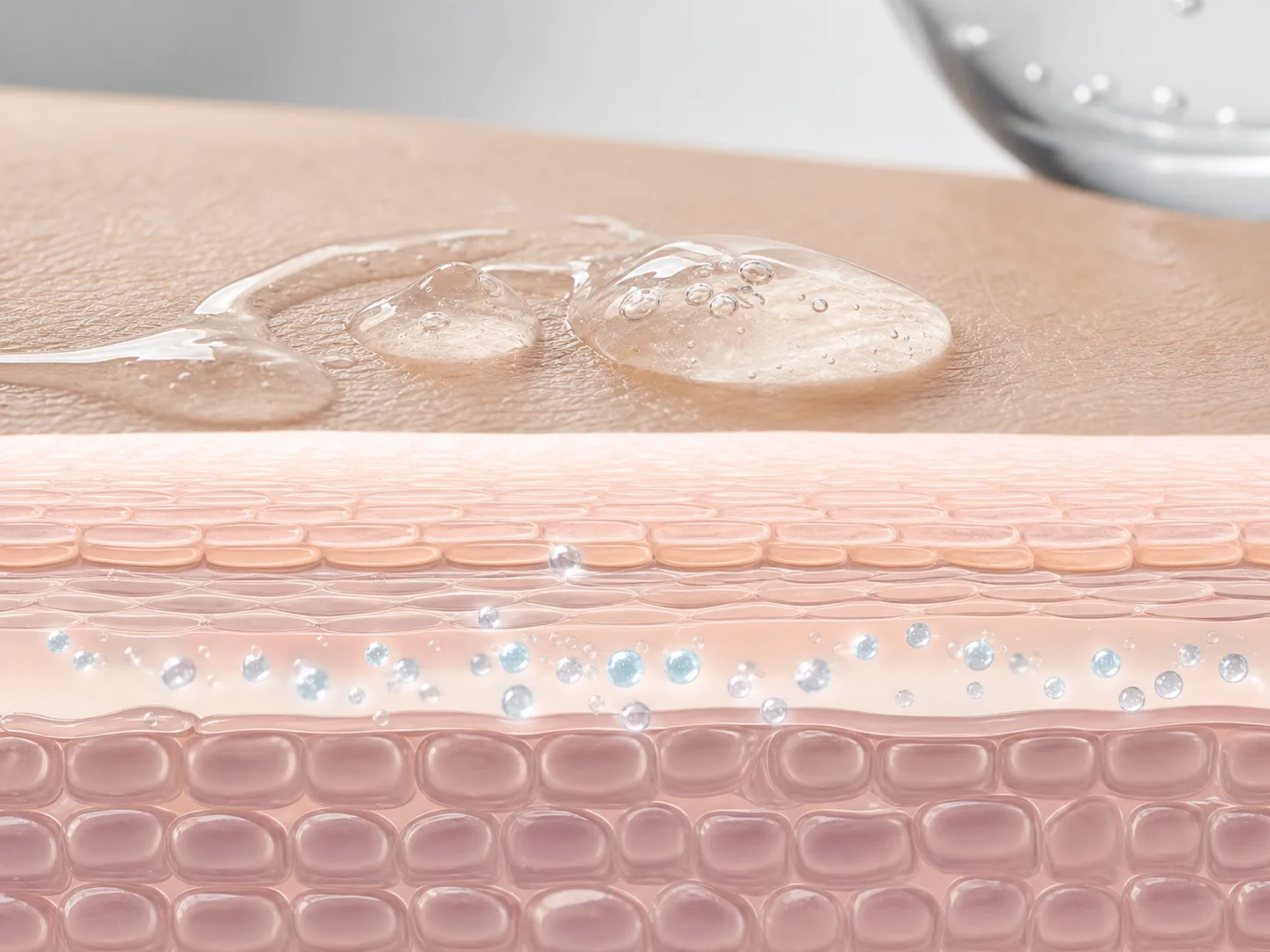
If the product lists both salicylic acid and LHA, treat it as an exfoliating cleanser even when the package says gentle. Follow the label and start with a frequency your skin tolerates, such as every other evening. Wet the face, massage lightly rather than scrubbing, rinse thoroughly, and follow with moisturizer. Do not turn the foam into a mask by leaving it on longer.
Fit it into the rest of the routine
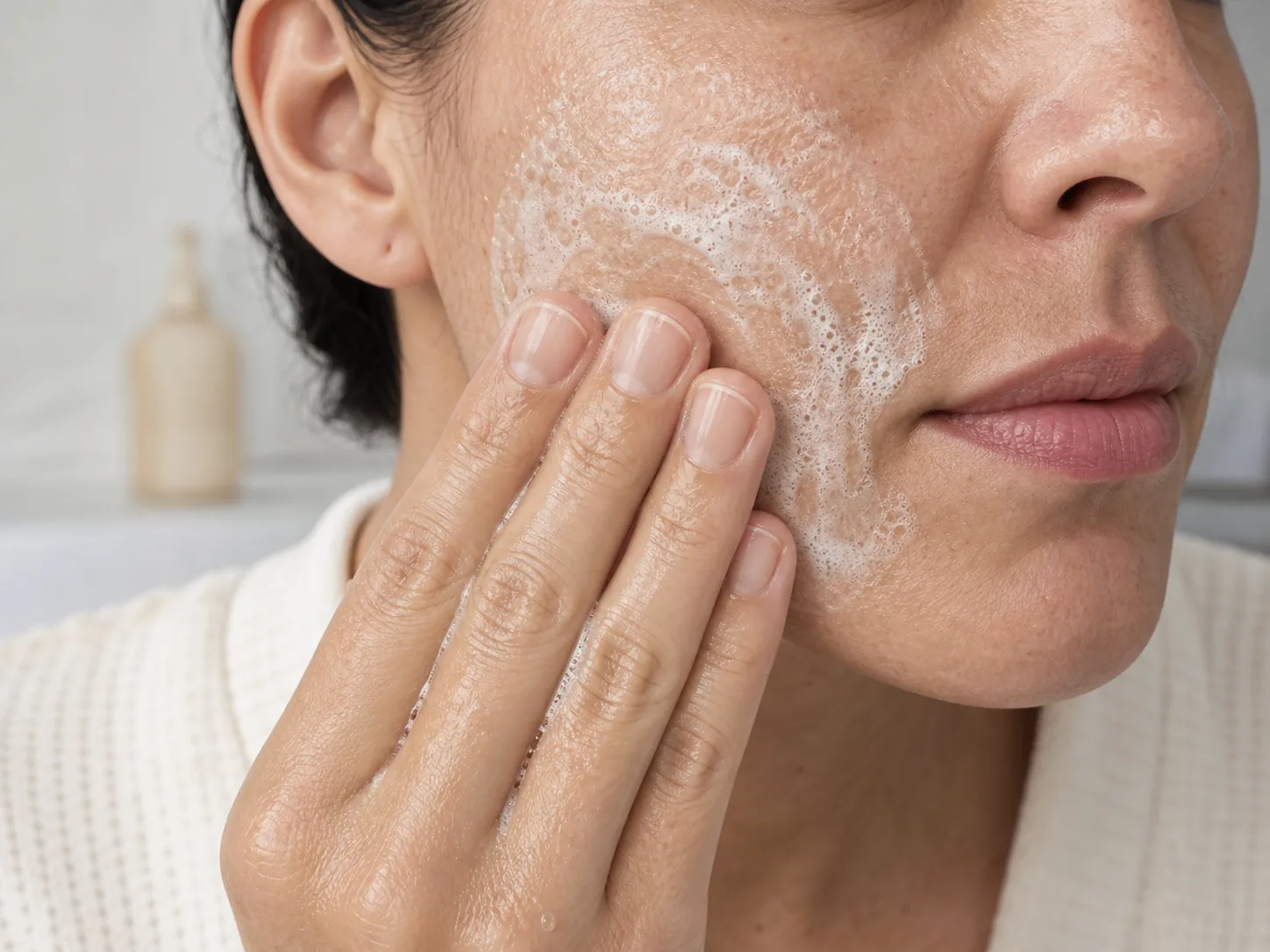
Do not stack an LHA cleanser, acid toner, exfoliating pads, and retinoid on the same night simply because each item is individually mild. Tightness, persistent sting, glossy redness, and sudden flaking are signs to reduce exfoliation. Use a plain cleanser on retinoid nights or alternate days.
Keep using daytime sunscreen, particularly when other exfoliating or retinoid products are part of your routine. During pregnancy or when avoiding salicylates for medical reasons, ask a clinician about the finished product instead of assuming every derivative follows the same rule. For most users, the best LHA cleanser is the one that leaves pores feeling clean without making the rest of the face feel stripped.
LHA alone versus a salicylic acid blend
A small amount of LHA alone is likely to give subtle surface smoothing. A cleanser declaring 2 percent salicylic acid and also listing LHA behaves primarily as a stronger BHA cleanser; benefit and irritation cannot be assigned to LHA alone. Check the active panel as well as the cosmetic list.
Gel cleansers give oily skin a clean rinse, while creamier bases are easier on dry cheeks. Low pH alone does not prove better exfoliation because free-acid level, buffering, and contact time matter. For nose blackheads, use it consistently instead of scrubbing harder. For chest or back bumps, a wash spreads efficiently, but rinse well. If several weeks bring no change, a leave-on product offers longer contact.
Sources used
- Paula's Choice: Capryloyl Salicylic AcidConsumer explanation of LHA exfoliation and formula caveats.
- The Use of Lipohydroxy Acid in Skin CareLipophilic structure, gradual exfoliation, and pore-care evidence.
- CIR Safety Assessment of Capryloyl Salicylic AcidCosmetic concentration and safety boundaries.