Why retinol remains a useful long-term active
Retinol is one of the few over-the-counter cosmetic ingredients that can address several visible signs of skin aging through a well-characterized vitamin A pathway. With consistent use, it can soften the look of fine lines, smooth irregular texture, reduce the prominence of mild sun-related pigmentation, and help prevent the buildup that contributes to clogged pores. These changes develop gradually over months of use.
Retinol belongs to the retinoid family. In skin it converts first to retinaldehyde and then to retinoic acid, the form that binds retinoid receptors and changes gene activity. Prescription tretinoin is already retinoic acid, so it acts more directly and is generally stronger. Cosmetic retinol requires conversion steps, which usually makes it slower and easier to tolerate, though it can still cause substantial irritation.
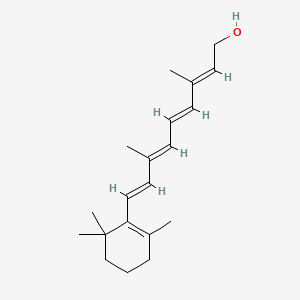
The molecular formula of retinol is C20H30O. It is oil soluble and chemically sensitive to light and oxygen, which is why the formula and package deserve as much attention as the percentage printed on the box.
What changes first
Texture often changes before deep lines do. After the adjustment period, rough patches may feel smoother and makeup may sit more evenly. People prone to small clogged bumps may also notice fewer new blockages as cell turnover becomes more orderly. Fine lines and firmness take longer because collagen remodeling is gradual. Expect to assess those goals over several months, not after one skin cycle.
Retinol can also help uneven pigmentation, especially when discoloration is related to sun exposure or old blemishes. It does not replace sunscreen. Without daily UV protection, new pigment and collagen breakdown continue while the nighttime product tries to address older damage. Broad-spectrum SPF 30 or higher is therefore part of a retinol routine, not an optional extra.
For active, inflamed, or scarring acne, an over-the-counter cosmetic retinol may not be the most effective first choice. Adapalene and prescription retinoids have different evidence and regulatory status. A dermatologist can help when breakouts are painful, widespread, or leaving scars.
Choosing a beginner strength
Around 0.1–0.3% is a reasonable entry range for many first-time users, though product labeling and delivery systems vary. Encapsulated retinol may release more gradually, and a cream with ceramides or emollients can feel easier than a fast-drying serum at the same stated percentage. Someone with dry or reactive skin may get further with a low-strength cream twice a week than with a strong serum used until the face peels.
Move toward 0.5% or higher only after the skin is comfortable with regular lower-strength use and the product no longer addresses your goals. Concentration is only one part of potency. Delivery technology, formula base, the amount applied, and frequency all change the actual exposure.
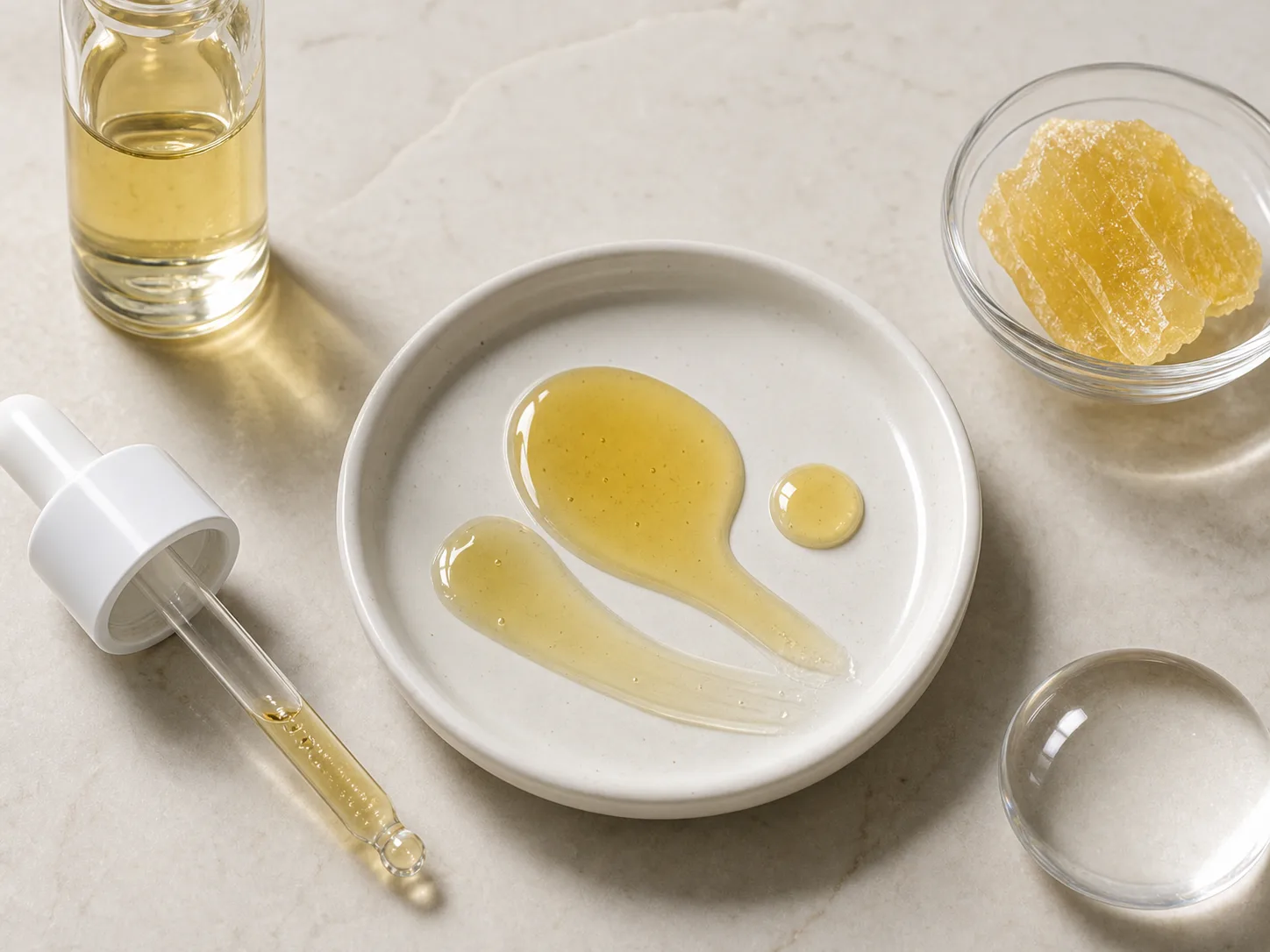
Choose an opaque tube, airless pump, or tightly controlled package. A clear dropper bottle that opens widely to air is less reassuring for an unstable ingredient. Store it at normal room temperature away from direct sun and heat. Major changes in color, smell, or texture are reasons to replace an old product.
Start with a small amount twice a week
Use retinol at night on clean, fully dry skin. Damp skin can increase penetration and make a new product sting more. Apply a pea-sized amount for the entire face, dotting it across the forehead, cheeks, and chin before spreading a thin layer. Avoid the eyelid crease, corners of the nose, and lips at first because product can collect there and cause peeling. Follow with moisturizer.
Begin twice a week for two to four weeks. If there is no persistent redness, burning, or uncomfortable flaking, move to every other night. Nightly use is not a required finish line; many people maintain good results at three or four nights per week. A routine that stays comfortable is more likely to continue long enough to matter.
The moisturizer sandwich method can help sensitive or dry skin: a light layer of moisturizer, then retinol, then another layer over dry areas. This can reduce irritation; keep the retinol amount small.
Which ingredients can you use with retinol?
A gentle cleanser, moisturizer, and sunscreen are the foundation. Niacinamide, ceramides, panthenol, glycerin, and hyaluronic acid can support hydration and usually fit easily around retinol. Vitamin C can be used in the morning while retinol is reserved for night.
Glycolic acid, strong salicylic acid, benzoyl peroxide, and abrasive scrubs can all add irritation. They are not universally forbidden, but a beginner should not introduce them on the same nights. Alternate days or pause the exfoliant while the skin adapts. Benzoyl peroxide can also affect the stability of some retinol products, so separate timing unless a specific finished product is designed to combine them.
Brief dryness and fine flaking can occur during adjustment. Painful burning, swelling, cracked skin, or dermatitis that keeps worsening means you should stop using the product. Stop retinol, use a bland moisturizer, and resume only after recovery at a lower frequency or with a gentler formula.
Who should be especially cautious
People with eczema, rosacea, a damaged barrier, or very reactive skin should consider professional guidance and begin carefully. Retinoids are generally avoided during pregnancy and when trying to conceive; discuss personal circumstances with a healthcare professional rather than relying on a cosmetic label. Waxing, peels, and other procedures can also interact with retinoid-irritated skin, so disclose use before treatment.
Sources used
- American Academy of Dermatology: Retinoid or retinol?Consumer distinction between retinoids and retinol, expected changes, and irritation management
- Use of Retinoids in Topical Antiaging Treatments: A Focused ReviewClinical anti-aging evidence and formulation limits for retinol and retinaldehyde
- Retinoid stability and degradation kinetics in commercial cosmeticsStability of commercial retinoids under light, oxygen, and storage conditions
- Retinaldehyde 0.1% and 0.05% creams: randomized controlled trialPhotoaging and tolerability results from 0.05% and 0.1% retinaldehyde creams
- Retinaldehyde versus retinol: randomized split-face studyDirect split-face comparison of retinaldehyde and retinol formulas in 23 Korean participants
- Cosmetic Ingredient Review: Retinol and retinyl estersCosmetic-use and safety assessment for retinol and retinyl esters
- PubChem: RetinolExact chemical identity and structure of retinol
- PubChem: RetinalExact chemical identity of retinal and its metabolic relationship to retinol
- Cleveland Clinic: RetinolMedically reviewed guidance on retinol for fine lines and clogged pores, gradual introduction, dryness, and irritation.