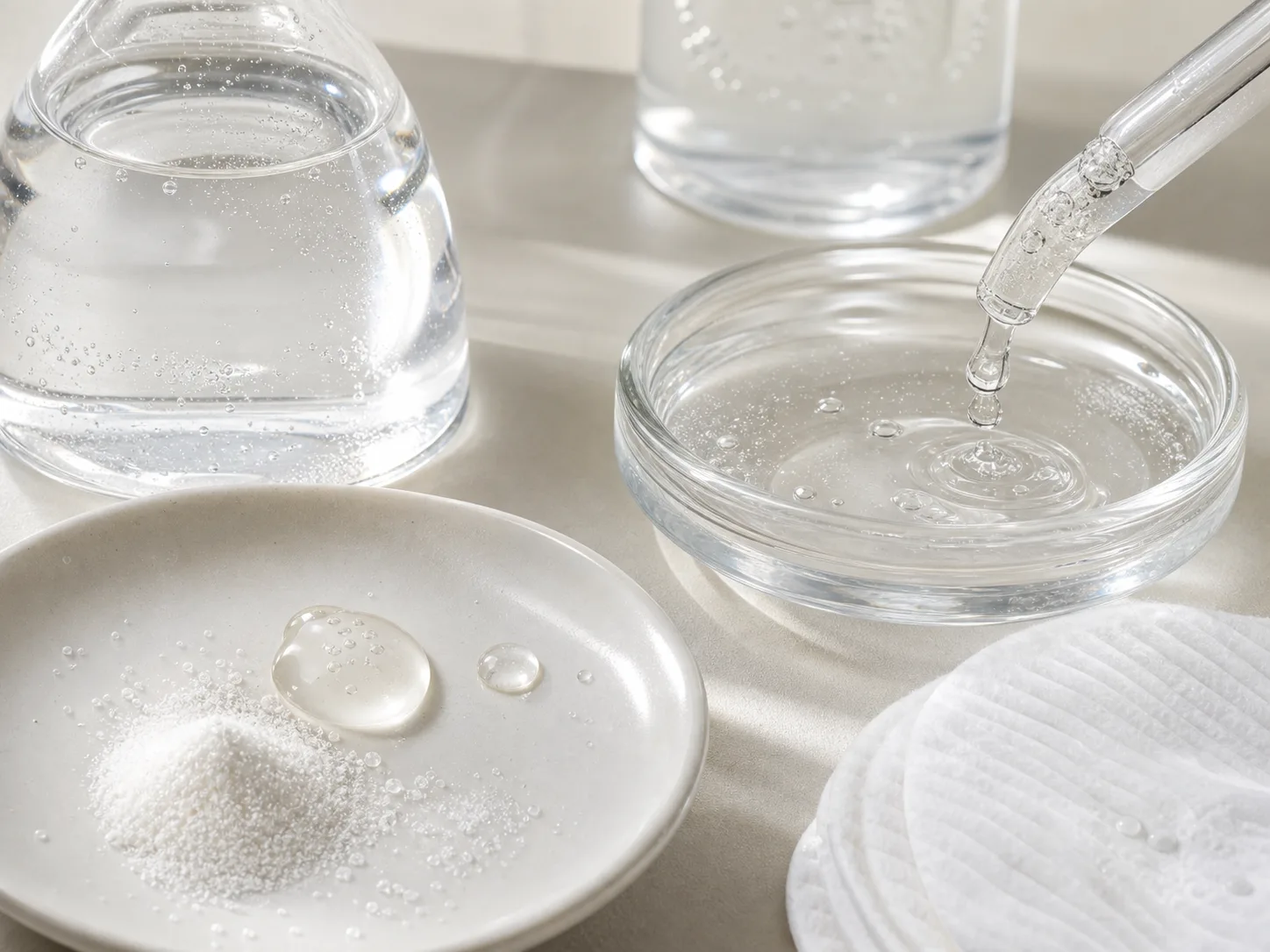
Start by identifying the form of vitamin C
Ascorbic Acid or L-Ascorbic Acid on the ingredient list means pure vitamin C. It has the strongest body of topical evidence, but it needs an acidic formula and oxidizes readily. Names such as Ascorbyl Glucoside, 3-O-Ethyl Ascorbic Acid, Sodium Ascorbyl Phosphate, and Magnesium Ascorbyl Phosphate are derivatives. They are often easier to formulate and tolerate, but their percentages cannot be compared directly with an L-ascorbic acid percentage.
Apply vitamin C before moisturizer and sunscreen
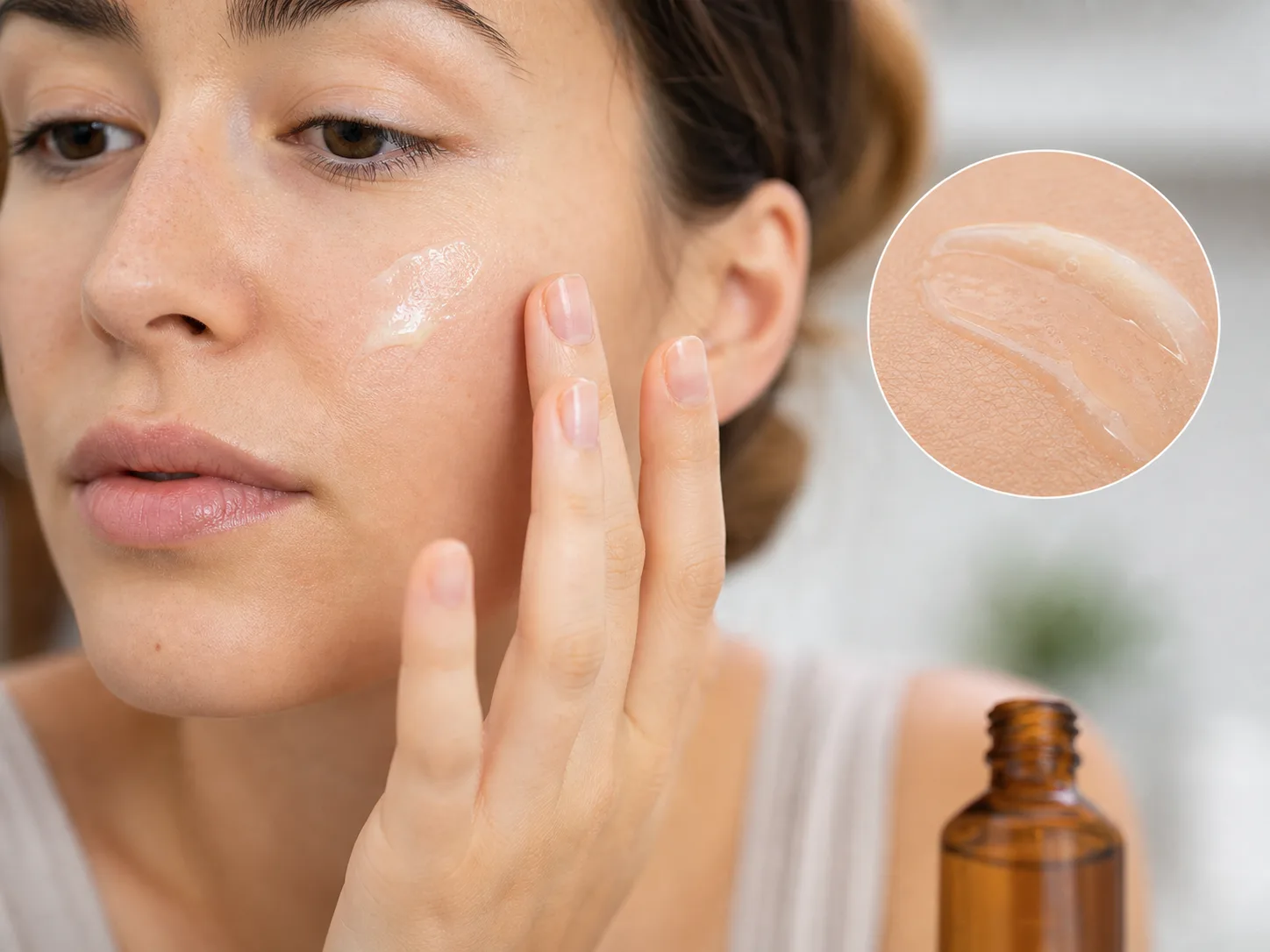
Cleanse, let the face dry, spread a thin layer of vitamin C serum, then apply moisturizer and sunscreen. If an acidic serum stings on damp skin, use it on fully dry skin. Vitamin C can neutralize some reactive molecules generated by UV exposure, complementing sunscreen, but it is not a UV filter and cannot replace broad-spectrum SPF.
Begin every other morning or three times a week. Increase only when the skin remains comfortable. A fleeting tingle can occur with a low-pH formula; burning that lasts, visible redness, or scaling means the routine is too aggressive.
Pairing it with other actives
Modern finished products containing niacinamide and vitamin C do not automatically cancel each other. They can be layered if the skin tolerates them. Separate them into morning and evening only when the combination pills, flushes the skin, or makes the routine unnecessarily complicated.
Retinoids, glycolic acid, and salicylic acid are not universally forbidden with vitamin C either. The practical issue is cumulative irritation. Introduce one active at a time and, for sensitive skin, use vitamin C in the morning and exfoliants or retinoids at night or on alternate days. Benzoyl peroxide can oxidize vitamin C, so use them at different times.
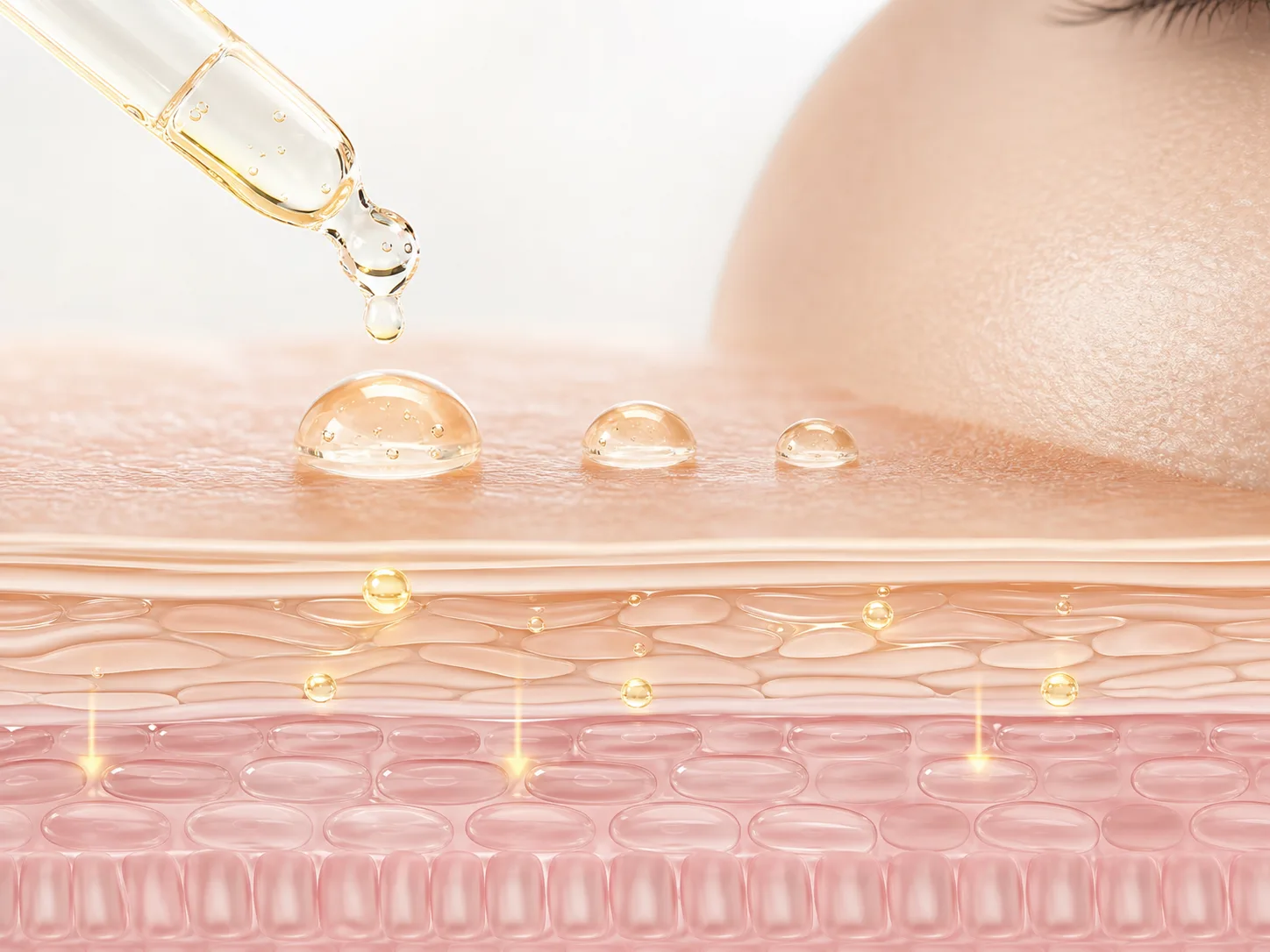
Watch for changes in the serum’s color and smell
Pure vitamin C formulas often shift from clear or pale straw to yellow as they age. A dark orange or brown color, especially with a changed odor, suggests substantial oxidation and reduced antioxidant value. Opaque, air-restrictive packaging and a small bottle that can be finished promptly are useful. Close it immediately and keep it away from heat and direct light. Refrigerate only when the manufacturer recommends it.
Mixing loose ascorbic acid powder into moisturizer sounds fresh, but the dose, pH, and dissolution change every time. A professionally formulated serum is more predictable for most users.
Assess changes in tone and texture over eight to twelve weeks
Do not judge the serum by first-day tingling or temporary shine. Over eight to twelve weeks, compare how dull the skin looks, the appearance of shallow brown marks, and skin texture under similar lighting. Daily sunscreen is part of that test because ongoing UV exposure can keep creating pigment. If irritation makes the face red and rough, stop, recover with a basic moisturizer, and return at a lower strength or choose a gentler derivative.
Adjust application to the concentration and formula
Low pH keeps more L-ascorbic acid in a form that can cross the outer skin. Many evidence-based formulas sit around 10 to 20 percent; going higher does not ensure proportionally greater delivery and may add tack and irritation. A comfortable 10 percent serum used consistently can outperform a 20 percent bottle used sporadically.
Water-based L-ascorbic acid goes before oils and creams. Follow the gradual schedule above and increase only if the skin stays comfortable. Avoid freshly shaved, cracked, or peeling areas. Keep the dropper off the skin, close the bottle promptly, and store it away from a steamy bathroom. Night use is also valid; consistency and photoprotection matter more than forcing a particular time.
Sources used
- DermNet: Topical vitamin CDermatologist-reviewed consumer guidance on benefits, stability, and use
- PubChem: L-Ascorbic AcidExact identity and antioxidant role of L-ascorbic acid
- Cosmetic Ingredient Review: Ascorbic Acid and AscorbatesCosmetic functions and safety assessment for ascorbic acid and ascorbates
- Topical L-ascorbic acid: percutaneous absorptionHow concentration and pH affect skin delivery
- Stability, penetration, and cutaneous effects of vitamin C derivativesDifferences in stability, penetration, and effects between pure vitamin C and derivatives
- Topical ascorbic acid on photoaged skin: double-blind trialPhotoaging outcomes after six months with a 5% vitamin C cream
- Factors affecting ascorbic acid stability in creamsRelationship between pH, viscosity, oxygen exposure, and vitamin C degradation in creams
- Cleveland Clinic: Vitamin C Serum Benefits and UseDermatologist guidance on protecting serum from light and heat, irritation in sensitive skin, and use alongside sunscreen.