Similar goal, different molecule
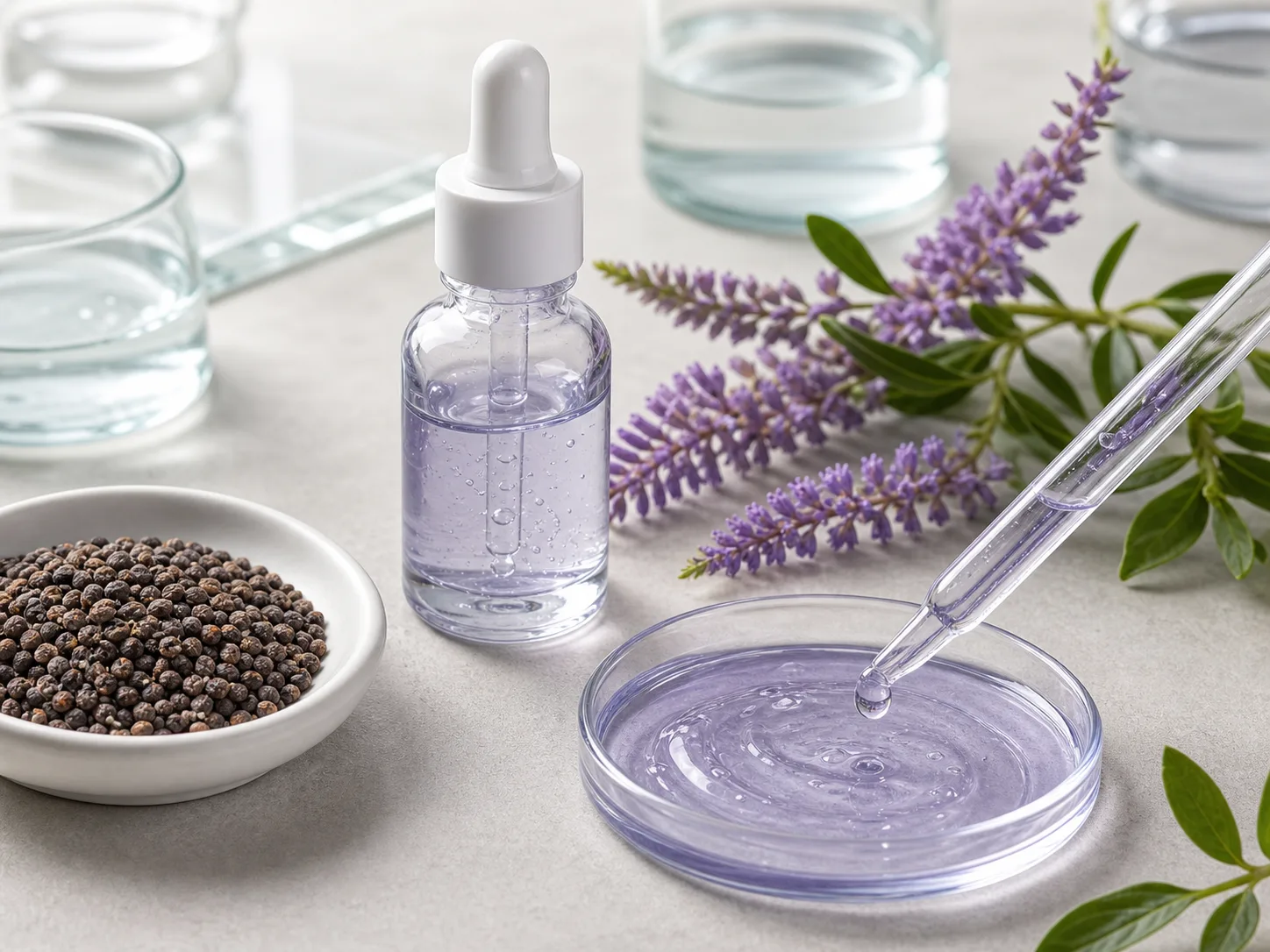
Bakuchiol is a phenolic compound originally isolated from the seeds of Psoralea corylifolia. It is often sold as “plant retinol,” but that nickname is chemically misleading. Bakuchiol is not vitamin A, does not belong to the retinoid family, and does not convert into retinoic acid in skin. The comparison exists because laboratory work suggests overlapping effects on pathways involved in collagen, pigmentation, and photoaging.
Bakuchiol may appeal to someone who wants to address early lines and uneven tone but finds retinol too drying or irritating. The clinical comparison below offers a reason to consider it, though retinoids have been studied much more extensively.
Why researchers compare its effects with retinol
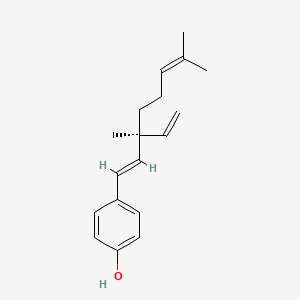
Cell studies suggest that bakuchiol influences gene expression related to type I and III collagen and extracellular-matrix maintenance. Antioxidant and inflammatory signaling have also been studied. These overlapping effects help explain the comparison with retinol, even though bakuchiol does not undergo the vitamin-A conversion pathway.
What the clinical evidence shows
In a randomized, double-blind 12-week study of 44 participants, a 0.5% bakuchiol cream used twice daily was compared with 0.5% retinol used once daily. Both groups showed significant reductions in wrinkle surface area and hyperpigmentation, with no statistically significant difference between them. Retinol users reported more facial scaling and stinging.
The trial supports using bakuchiol for fine lines and uneven pigmentation. It was small, used different application schedules, and did not establish how the comparison holds up over longer use. The cream bases may also have affected tolerability. These results do not make every bakuchiol product equivalent to a retinoid or establish it as a replacement for prescription acne treatment.
What results feel like
Look for gradual changes in fine texture and blotchy pigmentation over eight to twelve weeks. Monthly photographs under the same lighting make those changes easier to distinguish from a day of better hydration.
It is generally better tolerated, but “natural” does not mean reaction-proof. Botanical extracts, fragrance, or the base formula can still trigger redness or breakouts.
Choosing and using a product
A disclosed concentration around 0.5% is easiest to relate to the head-to-head trial. Dry skin may prefer bakuchiol in a squalane-rich cream or oil, while acne-prone skin may do better with a light emulsion. Added niacinamide can support uneven tone; ceramides can make the formula more comfortable.
Start at night three times a week, then increase if skin remains comfortable. Bakuchiol is not known for the same photosensitivity concerns as retinoids, but daily sunscreen is still essential when the goal is preventing and improving visible photoaging. Layering it with retinol is not automatically better. If irritation is the reason you chose bakuchiol, alternating nights makes it easier to identify which product causes irritation. Pregnancy data are not robust enough to promise safety, so discuss use with a clinician if pregnant or breastfeeding.
If retinol already works four or five nights a week without irritation, switching may offer little advantage. If repeated attempts end in dryness and scaling, a simple bakuchiol formula may be easier to use consistently.
Sources used
- Bakuchiol versus retinol randomized trialhead-to-head efficacy and tolerability data
- Cosmeceuticals in photoaging reviewphotoaging evidence context
- Bakuchiol consumer comparisoncommon product and routine questions