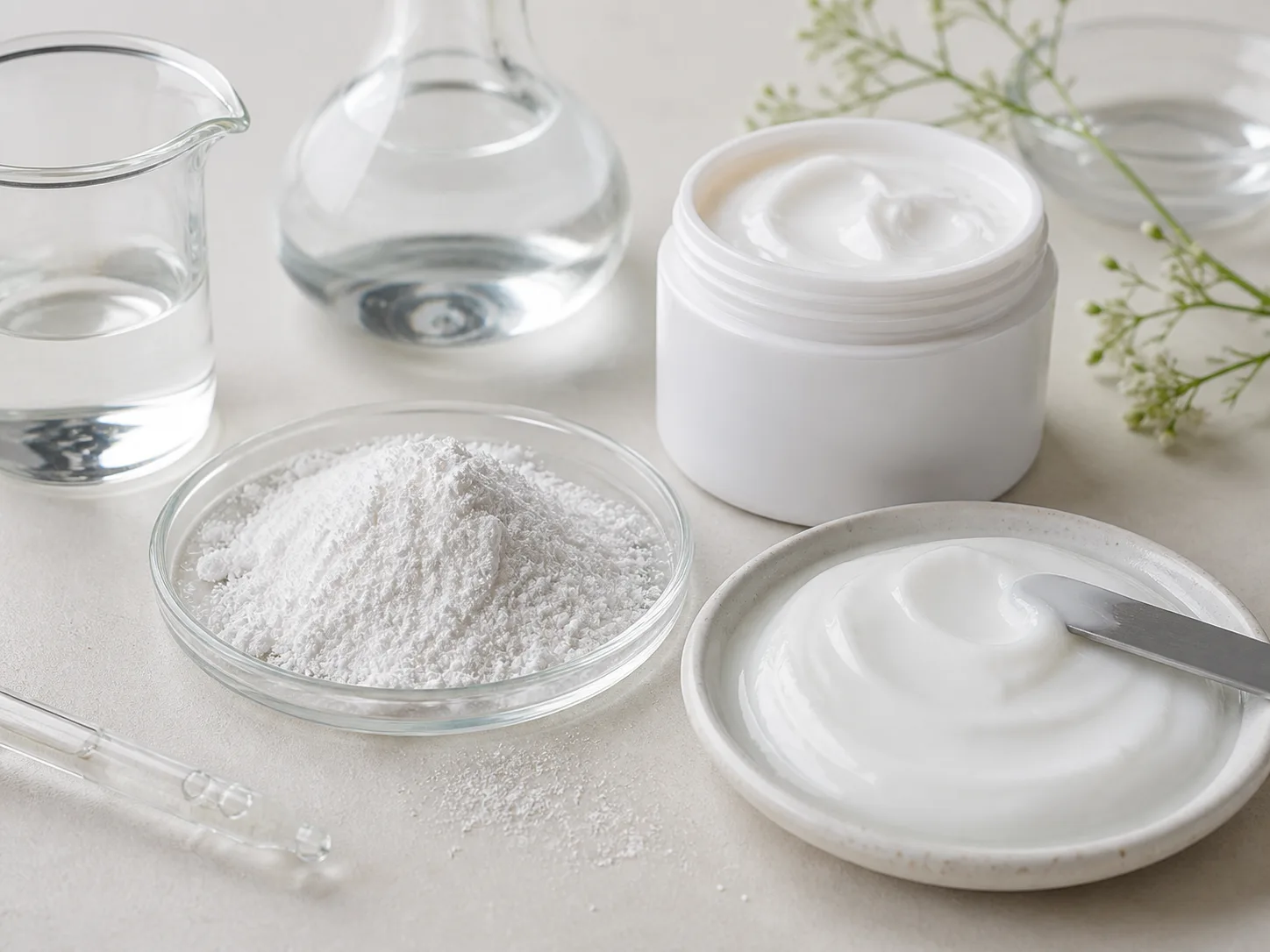
What allantoin actually does
Allantoin is useful when skin feels rough, papery, or unusually reactive. It softens flaky surface cells, supports a comfortable skin feel, and makes a moisturizer easier to tolerate when the barrier has been stressed. That is why it appears in face creams, hand treatments, lip products, after-shave formulas, and gentle cleansers.
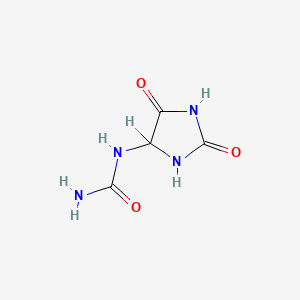
Chemically, allantoin is a small nitrogen-containing compound with the molecular formula C4H6N4O3. It occurs in nature but is commonly made synthetically for cosmetics, which allows consistent purity. A plant-derived story does not make one version inherently more effective than another.
The changes you may notice
Allantoin has mild keratolytic activity. In practical terms, it helps loosen and soften dry surface buildup without producing the deliberate peel associated with an AHA. Skin can feel smoother, makeup may catch less on flaky patches, and areas around the nose or mouth may look less scaly when the formula also supplies enough water and lipids.
Its second role is soothing. Allantoin is widely used to make dry or irritated skin feel less uncomfortable. That soothing role is most noticeable when over-cleansing, cold weather, shaving, or an ambitious active routine has left otherwise healthy skin feeling dry, tight, and uncomfortable.
Choosing the right format
For persistent dryness, choose a leave-on cream or balm rather than chasing allantoin in a rinse-off cleanser. Look for glycerin or urea to attract water and ceramides, squalane, or petrolatum to slow water loss. In oily skin, a lightweight gel cream can deliver the same ingredient without a heavy finish.
Do not judge an allantoin product only by whether the percentage is printed in large type. It is often used at modest levels, and the surrounding moisturizer system determines most of the immediate feel. A fragranced formula can still sting fragrance-sensitive skin even when allantoin appears on the label.
How to use it when retinoids leave skin rough
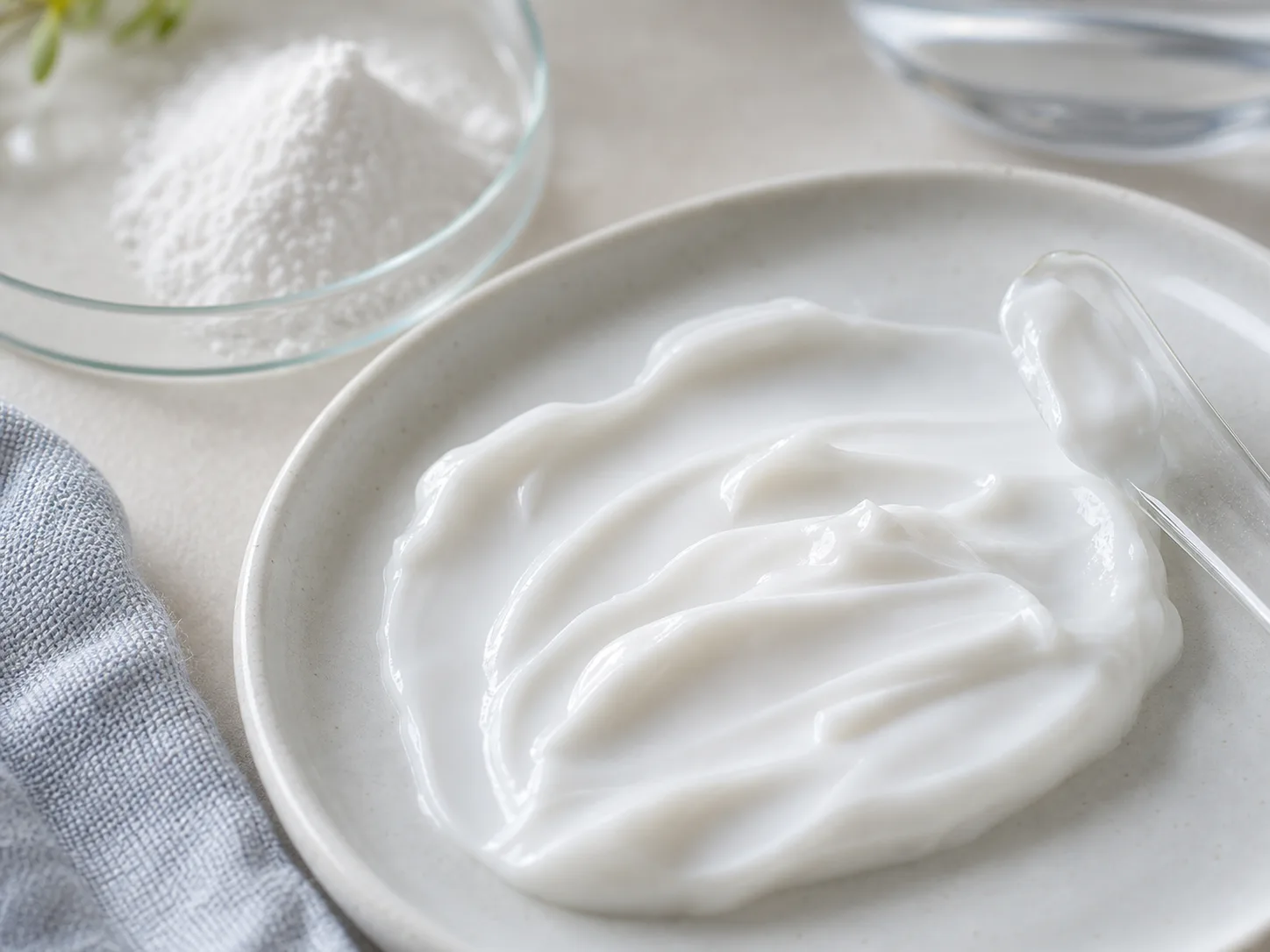
Allantoin fits into morning or evening routines and has few notable ingredient conflicts. It pairs naturally with retinoids, vitamin C, and exfoliating acids because it can help offset dryness, although it cannot prevent irritation caused by using too much of those actives. Apply it after treatment serums or use an allantoin moisturizer on recovery nights.
Patch test the finished product if your skin reacts easily. Stop if itching, swelling, or persistent burning develops; those reactions may come from any part of the formula, not necessarily allantoin itself.
Keratolytic does not mean peel
Allantoin does not act like a low-pH glycolic treatment. It helps dry, hardened keratin become more pliable and supports orderly surface shedding. The benefit is most relevant to chapped, scaly texture rather than clogged pores or pigmentation. It can support a moisturizer used with benzoyl peroxide or retinoids, which often leave the surface rough, but it does not replace either acne treatment.
Glycerin, propanediol, or urea usually supplies much of the water-binding effect in an allantoin cream. Petrolatum, silicones, and ceramides slow evaporation. Allantoin contributes softness and comfort within that system. Cracked hands may need an occlusive urea-petrolatum cream, while an oily face with dehydration flakes may respond better to an oil-light gel cream.
The FDA monograph lists 0.5% to 2% allantoin for certain US over-the-counter skin-protectant products. That range is not a universal cosmetic requirement. If concentration is undisclosed, assess the finished formula over two or three weeks: look for less post-cleansing tightness, fewer lifted flakes, and better tolerance without relying on temporary shine.
Sources used
- Korea Cosmetic Association: Allantoincosmetic skin-conditioning role and safety context
- Overview of popular cosmeceuticals in dermatologysoothing, keratolytic, and moisturizing properties
- FDA Skin Protectant Drug Productsskin-protectant use context