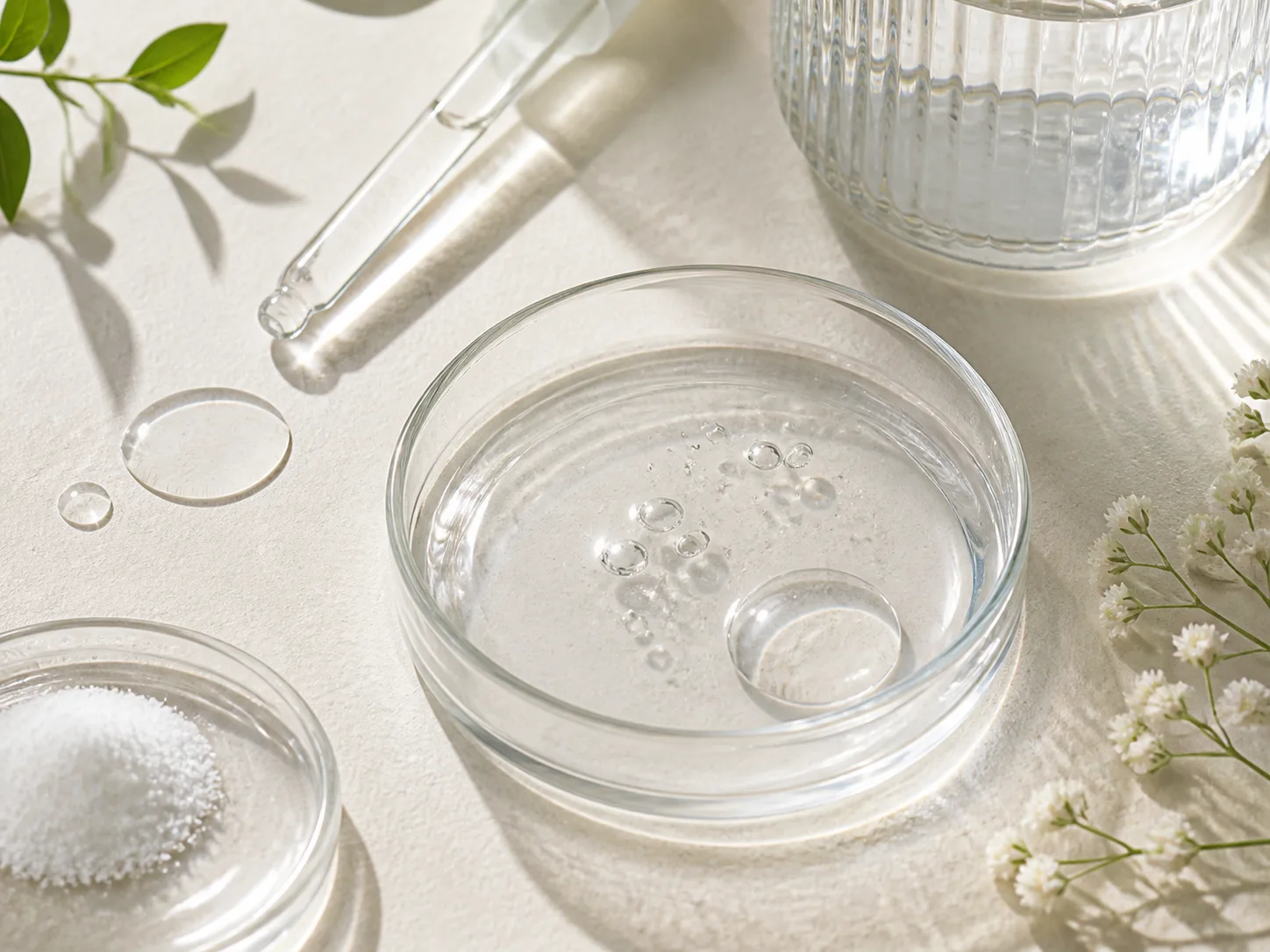
Why use panthenol in a toner?
A panthenol toner makes sense when skin begins to tighten as soon as cleansing water dries. It supplies a quick, weightless layer of moisture, softens the stiff feel of the outer skin layer, and helps the next moisturizer spread without dragging. This can mean less tightness after cleansing and fewer rough flakes.
Panthenol is the alcohol analogue of pantothenic acid and is commonly described as pro-vitamin B5. It is water-compatible, can be converted in part to pantothenic acid in skin, and functions in cosmetics as a humectant and conditioning ingredient. A toner carries it with little oil, so it is an easy way to add panthenol when a rich recovery balm feels excessive.
Panthenol helps soften dry skin after cleansing
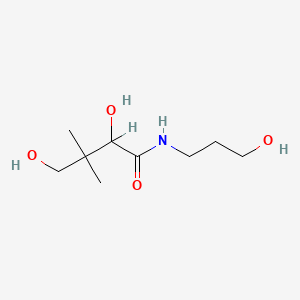
A dehydrated stratum corneum becomes rigid and uneven. Cleansing and towel friction may then feel more irritating, and products that were previously comfortable can sting. Evidence on topical dexpanthenol supports improvements in stratum-corneum hydration and barrier function. In a toner, it helps skin feel softer and more comfortable. Cosmetic toners are not treatments for acne or dermatitis.
If over-cleansing, dry weather, or an ambitious exfoliating routine has left skin feeling stressed, a panthenol toner can help you build a simpler, gentler routine. Persistent burning, swelling, rash, or broken skin should not be managed with toner alone.
Pat it in instead of wiping it off
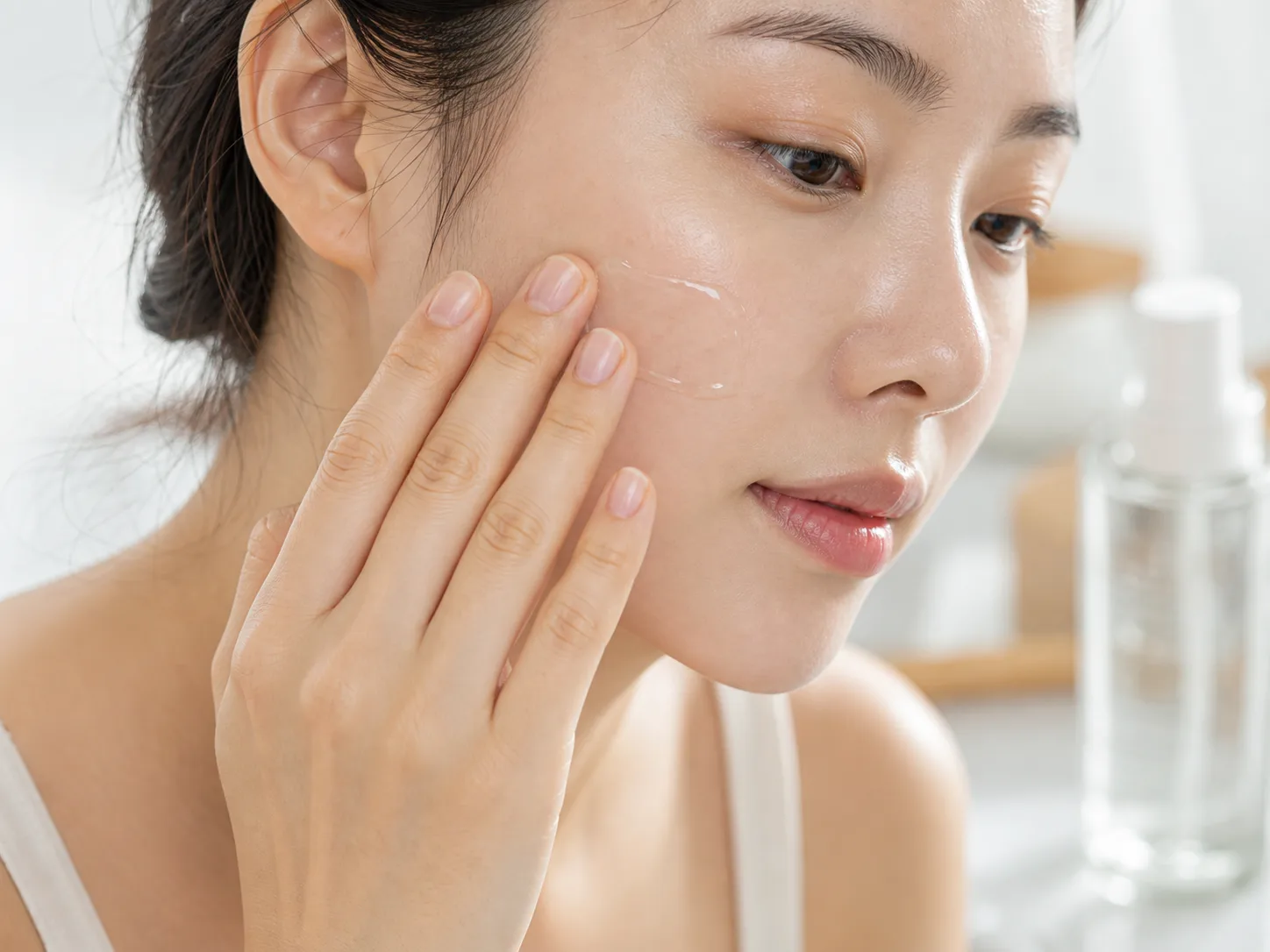
If the goal is hydration, repeatedly rubbing a cotton pad across the face works against the formula. Pour a small amount into your palm and press it over the cheeks, forehead, and chin. If you prefer cotton, saturate the pad and press rather than scrub. This is particularly useful around the nose and cheeks, where friction can worsen visible sensitivity.
One layer is often enough. Add a second while the first remains slightly damp if skin still feels tight. More layers are not automatically better. High-panthenol formulas and polymer thickeners can leave a tacky film when stacked, increasing the chance that sunscreen or foundation will pill. Reducing the amount and moving on to moisturizer is usually more effective.
What do 5% and 10% claims mean?
A disclosed percentage tells you that panthenol is a featured part of the formula, but it does not rank the finished product. A 10% toner may feel richer and stickier than a 5% toner, and oily skin may prefer the lower-residue option. The surrounding humectants, preservatives, thickeners, and soothing ingredients all change performance.
Glycerin, betaine, hyaluronic acid, and beta-glucan can broaden hydration. Allantoin and madecassoside are common companions in comfort-focused formulas. For dry skin, ceramides, cholesterol, squalane, or dimethicone in the following moisturizer matter because a water-based toner does little to prevent evaporation by itself.
Match it to your skin type
Oily and combination skin can use one thin layer followed by a gel moisturizer. Add the second layer only to tight areas rather than coating an already oily T-zone. Panthenol does not reduce sebum, but it can address dehydration without adding the oil load of a balm.
Dry skin should treat toner as preparation rather than the final moisturizer. Apply it after cleansing, then use a serum only if needed and finish with an emollient cream. If skin still feels tight the next morning, adding more toner is less likely to help than choosing a cream with better occlusion.
Sensitive-feeling skin should start with a simple formula without strong fragrance, essential oils, or exfoliating acids. Panthenol is generally well tolerated, but any finished product can cause a reaction. Test it along the jaw before introducing it immediately after a strong peel or retinoid night.
Pairing it with retinoids and exfoliants
Panthenol has no inherent routine conflict with retinoids, AHAs, BHA, or vitamin C. Pat on a thin layer after cleansing, allow the surface to dry, apply the active, and finish with cream. Keeping the toner layer thin avoids adding unnecessary slip before a precisely dosed retinoid.
Do not use a soothing toner to push through ongoing burning or peeling. Reduce the frequency of the active and simplify the routine until skin feels normal again. A gentle cleanser, one layer of panthenol toner, moisturizer, and daytime sunscreen are often enough during that pause.
Sources used
- COSMILE Europe: PanthenolProvitamin B5 identity and humectant, smoothing, and barrier-support functions
- PubChem: DexpanthenolChemical identity of dexpanthenol and its relationship to pantothenic acid
- Safety assessment of panthenol and derivativesCosmetic-use safety and skin-conditioning humectant function
- Topical use of dexpanthenol in skin disordersEvidence for stratum-corneum hydration, TEWL, softness, and barrier recovery after irritation
- Topical dexpanthenol and epidermal barrier functionHuman in-vivo evidence for stratum-corneum hydration and epidermal barrier function
- Dexpanthenol evidence review for atopic dermatitisBoundary between medical dermatitis care and cosmetic supportive moisturization
- Panthenol combination cream study in sensitive skinHydration, TEWL, and redness results from a combination cream and the inability to isolate panthenol
- NewBeauty: Panthenol skin benefitsConsumer questions on concentration, compatibility with acids and retinoids, and feel
- Korea Cosmetic Association: PanthenolKorean ingredient name, substance identifiers including the D-form, and panthenol's listed humectant function.