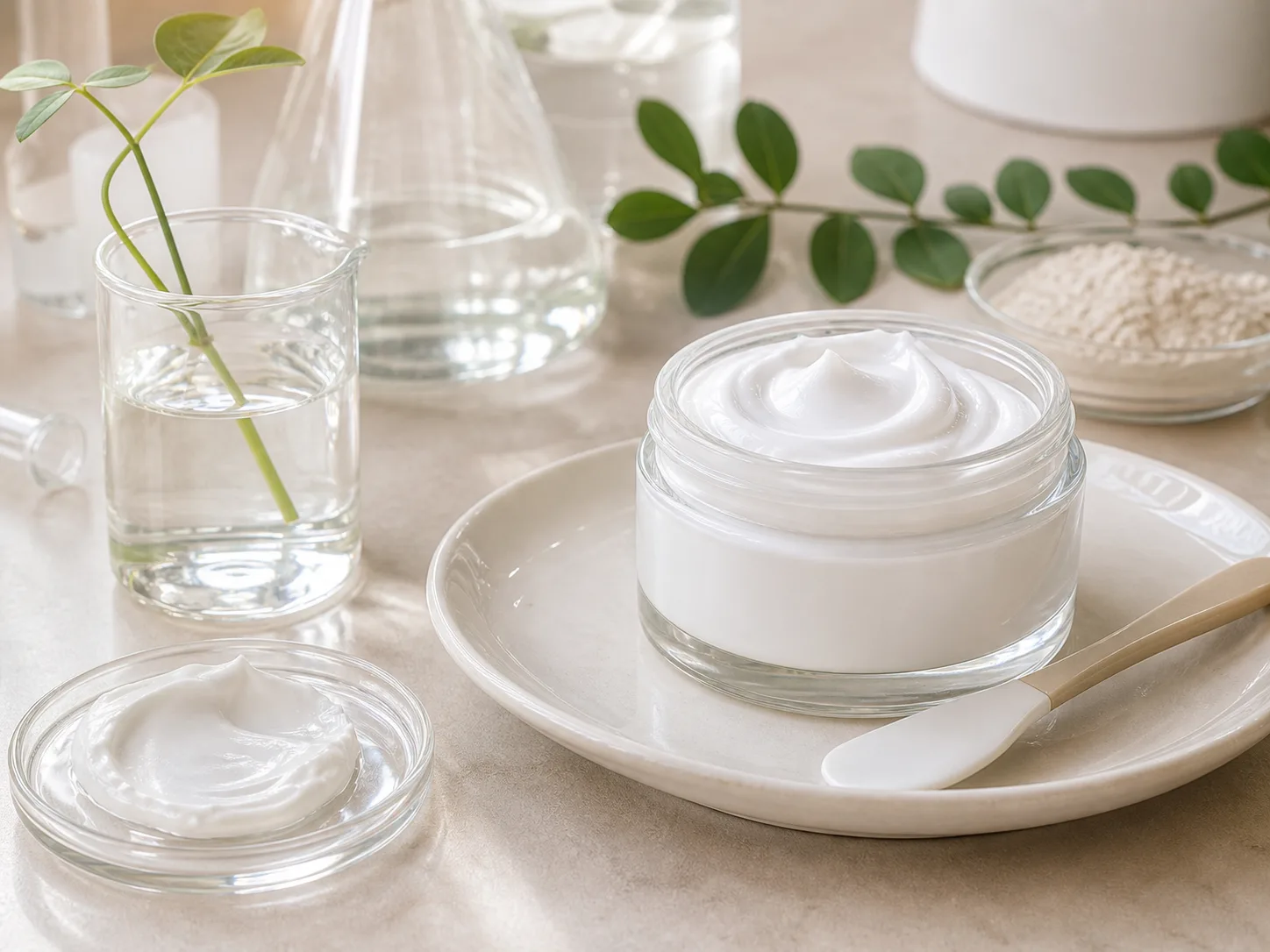
Why panthenol keeps showing up in barrier creams
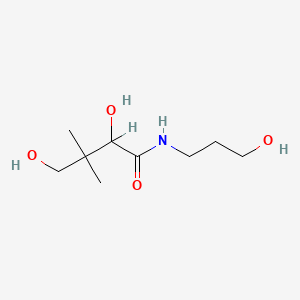
Panthenol is the alcohol form of vitamin B5 and is converted in skin to pantothenic acid. In a moisturizer it acts as a humectant, helping the outer layer hold water, while also supporting the normal processes involved in barrier recovery. That combination makes it useful for post-cleansing tightness, winter flaking, and skin made rough by retinoids or exfoliating acids.
The immediate result is usually less stiffness and a softer surface. With regular use, a well-formulated panthenol cream may improve hydration and reduce the uncomfortable feel that accompanies a disrupted moisture barrier. Studies of topical dexpanthenol have measured better stratum-corneum hydration and faster recovery after experimental irritation. Those findings support a moisturizer role; they do not turn every cosmetic cream into a treatment for eczema or open wounds.
If skin feels tight and looks flaky soon after cleansing, look beyond panthenol for a cream with a supportive lipid base; the Ceramide NP moisturizer guide explains what that means. If retinoids or acids are causing repeated stinging, do not add more actives to compensate. Simplify the routine and use the niacinamide reaction guide to separate a likely irritant reaction from a formula that is simply too much for your skin right now.
How should you compare panthenol concentrations?
Panthenol works as a supporting humectant at relatively low levels. Five-percent dexpanthenol is familiar from clinical research and pharmacy balms, but a 10% label is not automatically twice as effective. Concentrated gels can feel tacky or leave a tightening film, and a watery serum may not slow evaporation enough for very dry skin.
Look at the rest of the formula. Glycerin, betaine, and hyaluronic acid add water-binding support. Ceramides, squalane, shea butter, dimethicone, or petrolatum soften the surface and reduce moisture loss. A lower-percentage panthenol cream with a balanced base can outperform a high-percentage essence that leaves skin tight an hour later.
Choose the texture according to how dry your skin feels
Dry, flaky skin usually benefits from panthenol paired with ceramides, cholesterol, fatty acids, or a modest occlusive layer. Judge it by whether your cheeks and mouth area still feel comfortable the next morning. Oily or combination skin may prefer a glycerin-panthenol lotion or gel cream, especially in humid weather. A high-alcohol formula can feel fresh at first yet leave skin drier later.
If retinoids or acids have made skin reactive, choose a fragrance-free formula with a short, unsurprising ingredient list. Panthenol can support comfort, but it cannot compensate for continuing an active that is causing burning and peeling. Reduce or pause the active first.
How to use a panthenol moisturizer
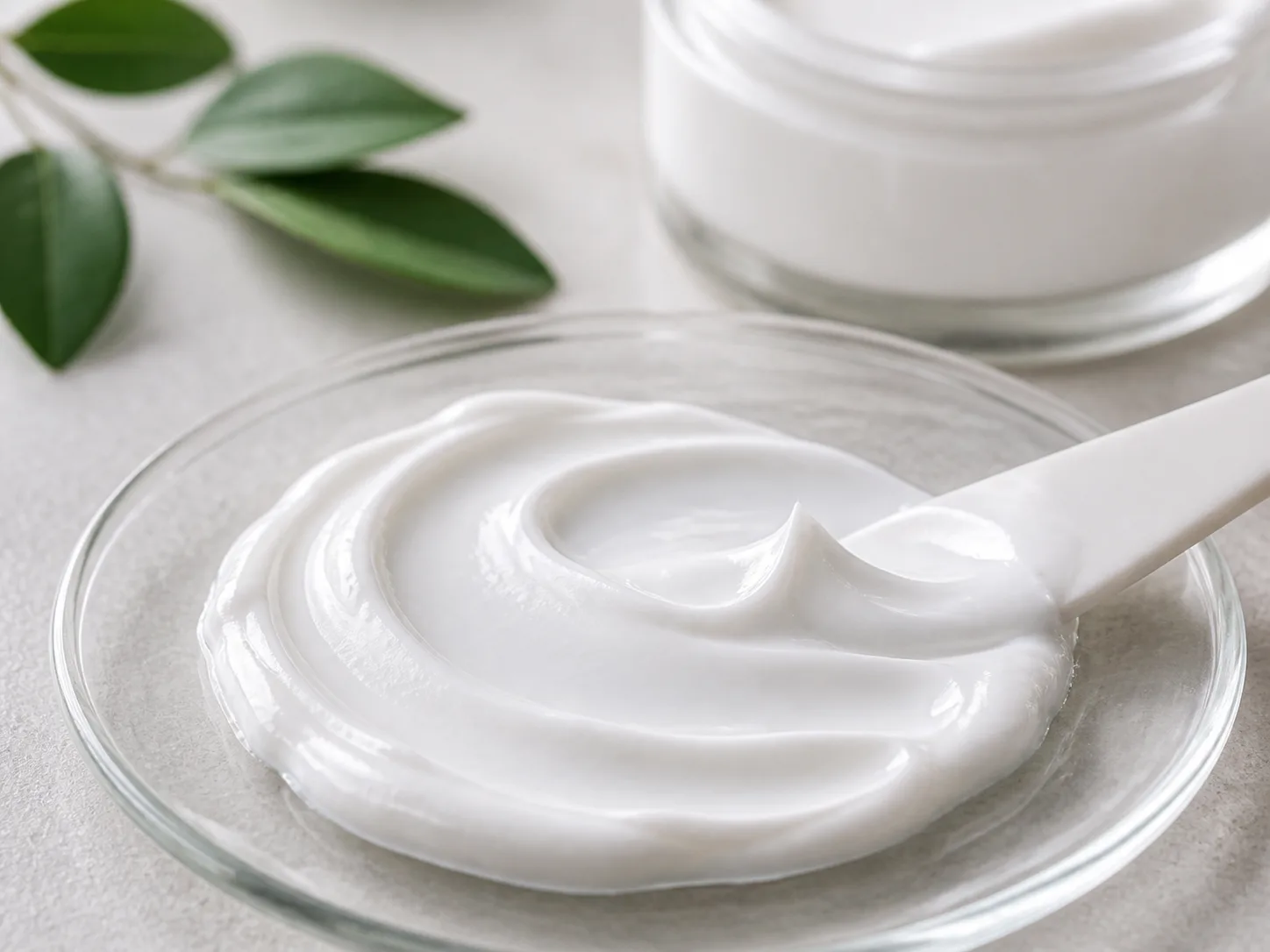
Apply it after cleansing while skin is slightly damp. If you use a serum, put the moisturizer over it and before sunscreen. You can add a second thin layer to the cheeks or corners of the mouth instead of coating the entire face heavily. In the morning, use enough to prevent tightness without causing sunscreen to pill; at night, apply a little more where dryness returns.
For a new retinoid, a panthenol cream can also be used in a sandwich routine: a thin layer of moisturizer, a small amount of retinoid after the skin has dried, then another light layer.
Panthenol is generally well tolerated, but contact reactions are possible. Stop if itching, swelling, or a recurring rash appears. Fragrance, lanolin, preservatives, or botanical oils in the same cream may be the actual trigger, so compare full ingredient lists rather than assuming panthenol itself is always responsible.
Sources used
- COSMILE Europe: PanthenolProvitamin B5 identity and humectant, smoothing, and barrier-support functions
- PubChem: DexpanthenolChemical identity of dexpanthenol and its relationship to pantothenic acid
- Safety assessment of panthenol and derivativesCosmetic-use safety and skin-conditioning humectant function
- Topical use of dexpanthenol in skin disordersEvidence for stratum-corneum hydration, TEWL, softness, and barrier recovery after irritation
- Topical dexpanthenol and epidermal barrier functionHuman in-vivo evidence for stratum-corneum hydration and epidermal barrier function
- Dexpanthenol evidence review for atopic dermatitisBoundary between medical dermatitis care and cosmetic supportive moisturization
- Panthenol combination cream study in sensitive skinHydration, TEWL, and redness results from a combination cream and the inability to isolate panthenol
- NewBeauty: Panthenol skin benefitsConsumer questions on concentration, compatibility with acids and retinoids, and feel
- Korea Cosmetic Association: PanthenolKorean ingredient name, substance identifiers including the D-form, and panthenol's listed humectant function.