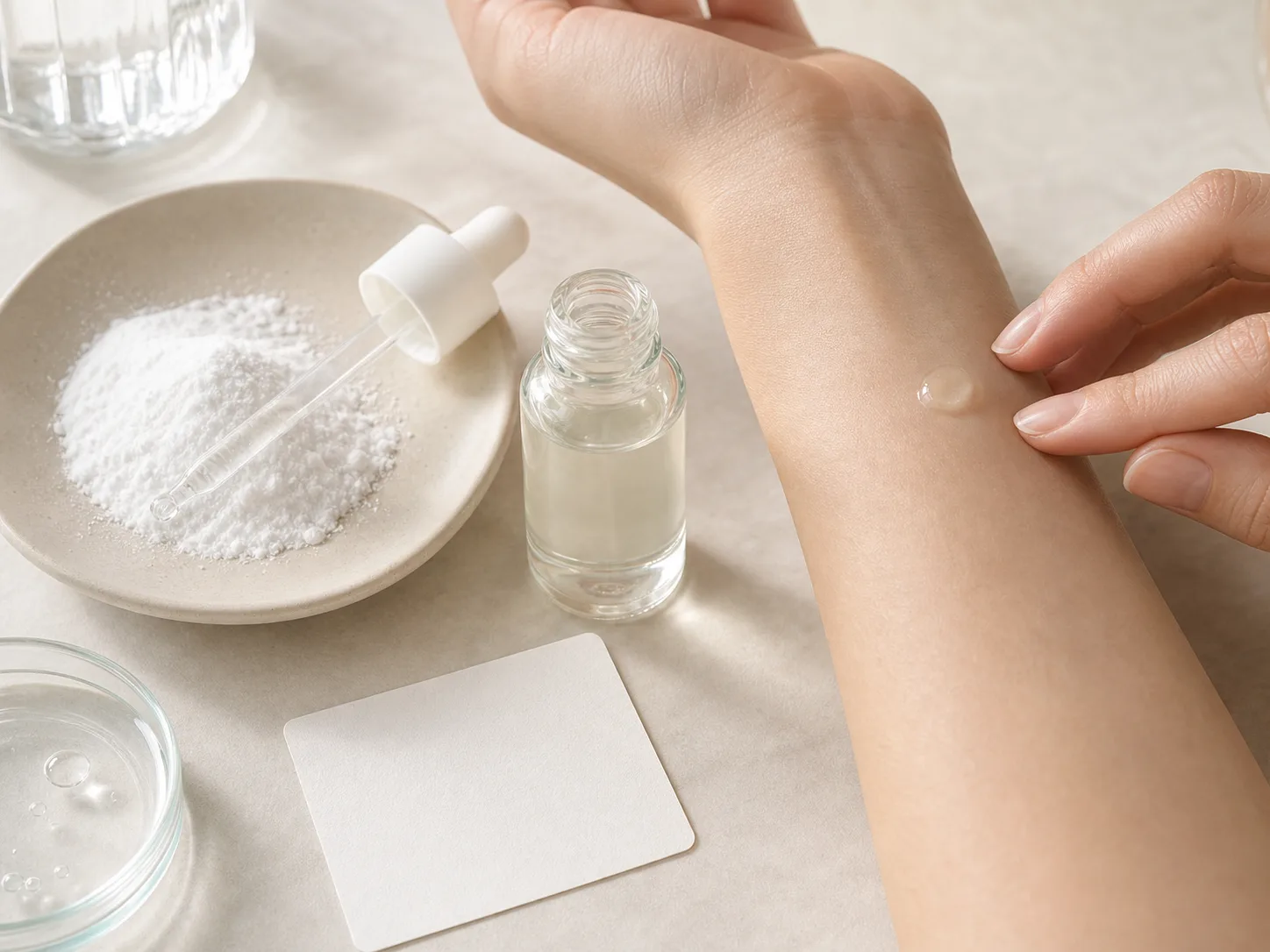
A gentle ingredient can still irritate your skin
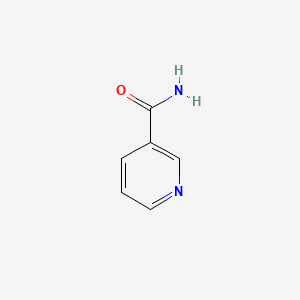
Niacinamide is a form of vitamin B3 used to support the skin barrier, reduce the look of blotchy pigmentation, balance oily shine, and improve the appearance of texture. Most people tolerate it well, which is why it appears in everything from cleansers to sunscreens. Yet a familiar, widely used ingredient is not automatically comfortable in every percentage or every formula.
Possible reactions include stinging, burning, redness, itching, tightness, dry patches, and small bumps. A concentrated 10% or 20% serum is more likely to feel demanding than a modest amount blended into a moisturizer, especially when the skin is already dry from retinoids, acids, weather, or over-cleansing. The culprit may be niacinamide, but it may also be fragrance, preservatives, solvents, zinc PCA, exfoliating ingredients, or the sticky base of the serum.
If you cannot tell what triggered the reaction, pause the new serum and use only products your skin already tolerates for a few days. When dryness and tightness are the main problem, compare a simple panthenol moisturizer first. If flaking and tightness keep returning, the Ceramide NP moisturizer guide explains what to look for in the lipid portion of a cream.
New bumps are not automatically purging
Purging is most plausible with ingredients that accelerate cell turnover or exfoliation, such as retinoids, AHAs, and BHAs. Niacinamide does not work that way. It supports barrier lipids and influences several cellular pathways, but it does not routinely push existing clogged pores to the surface. Calling every breakout a purge can keep you using a product that is irritating or simply too heavy for your skin.
Look at the pattern. A few small blemishes in places where you commonly break out may be related to another active introduced at the same time. Uniform itchy bumps, redness across areas that are normally clear, or burning that becomes stronger with each application points more toward irritation or contact dermatitis. Congested bumps without stinging may come from the formula as a whole, especially if the new serum or cream is rich in oils, waxes, or film-forming ingredients.
The niacin flush question
Niacinamide and niacin, also called nicotinic acid, are related forms of vitamin B3 but they are not interchangeable. The hot flushing response associated with oral high-dose niacin is not considered the typical response to a niacinamide cosmetic. Manufacturing impurities and harsh formula conditions are sometimes discussed, but you do not need to solve the chemistry while your face is burning. Wash the product off, let the skin settle, and judge what happened based on the repeatable reaction.
More percentage is not always more benefit
A large number on the bottle is easy to market. It is less useful than evidence that the entire formula is effective and comfortable. Many studies relevant to uneven tone, barrier function, and visible aging have used niacinamide in the neighborhood of 2% to 5%. A 10%, 15%, or 20% product does not promise two to four times the improvement. Higher loads may also make a watery serum tacky, prone to pilling, or harder to combine with other products.
If you are new to niacinamide, have reactive skin, or have reacted before, a moisturizer with a lower concentration is often a better test than a dedicated high-strength serum. Daily sunscreen and a product you can apply consistently will usually contribute more to an even-looking complexion than an intense serum that repeatedly disrupts your routine.
What to do when a reaction starts
Rinse off the product with lukewarm water. For the next few days, pause exfoliating acids, retinoids, benzoyl peroxide, scrubs, and strong vitamin C formulas. Use a mild cleanser, a fragrance-free moisturizer, and sunscreen. Continuing to apply the serum less often while the skin is actively red or burning makes it harder to recover and harder to identify the cause.
Once the skin is fully comfortable, you can decide whether a careful retry is worthwhile. Patch test a small amount near the jaw for several days. Then use a lower-strength product every second or third day, one thin layer at a time. Do not introduce another new product in the same week. If the same reaction returns, the practical answer is that this product does not suit your skin, even if niacinamide works well for other people.
There is no universal ban on combining niacinamide with vitamin C, AHAs, or retinoids in modern formulas. Compatibility on paper, however, does not obligate your skin to tolerate every active in one session. Separate them between morning and evening or alternate days when the combination stings.
How to find the real cause
Check every product in the routine. Niacinamide is now present in many cleansers, toners, serums, moisturizers, and sunscreens, so adding a dedicated serum may create several overlapping sources. Return temporarily to products that were previously comfortable, then reintroduce one item at a time. This is more reliable than guessing from a single highlighted ingredient.
Immediate burning and lingering redness suggest irritation. Itching, swelling, a spreading rash, or repeated symptoms in the exact application area can indicate a contact reaction. Painless clogged bumps that build over days may be related to the formula’s texture rather than niacinamide itself. Photos taken in the same light and a simple note of which products were used can make the pattern clearer.
Stop using the product and seek medical help promptly for swelling around the eyes or lips, blistering, oozing, widespread hives, or breathing difficulty. For ordinary stinging and dryness, the goal is not to train the skin to endure it. A lower concentration, a simpler formula, or a different ingredient can deliver useful skincare benefits without making every application a test of tolerance.
Sources used
- WebMD - Niacinamide Uses for Skin and BenefitsConsumer benefits, tolerability, and topical use context
- Final report of the safety assessment of niacinamide and niacinCosmetic safety and irritation evidence
- Mechanistic Basis and Clinical Evidence for NicotinamideTopical mechanisms, studied concentrations, and clinical evidence boundaries