What a ceramide moisturizer actually changes
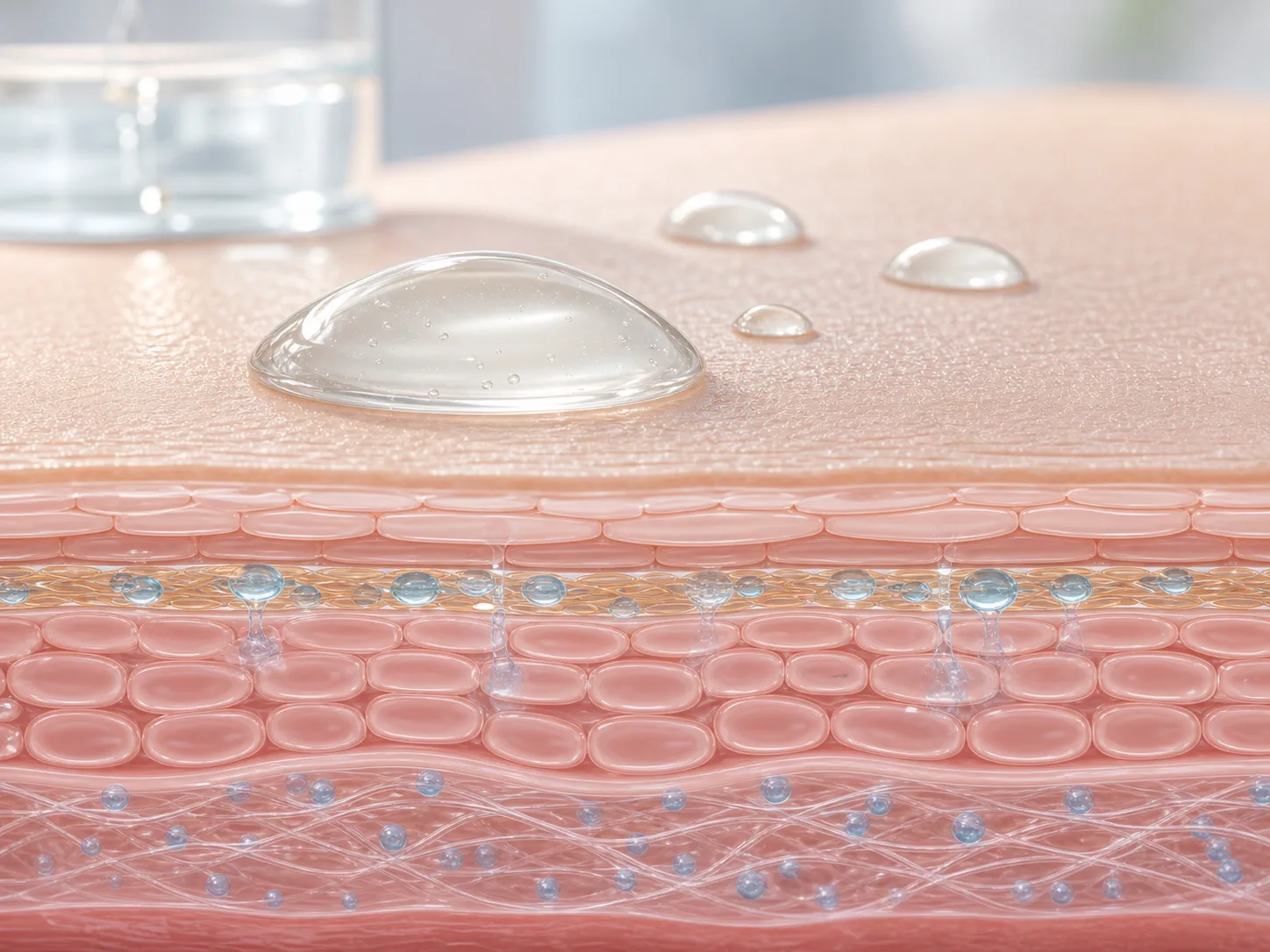
If your face feels tight soon after cleansing or a light gel seems to disappear without fixing the dryness, the problem may involve more than a lack of water. The outermost layer of skin is built from flattened cells surrounded by an organized mixture of lipids. Ceramides, cholesterol, and free fatty acids help fill those spaces and limit the amount of water that escapes from the skin. When that lipid arrangement is disrupted, skin can feel rough, flaky, and unusually reactive to weather or active products.
A Ceramide NP moisturizer is designed to support that outer layer. With regular use, it can help with less tightness after washing, a smoother surface, better moisture retention, and a routine that is easier to tolerate when dry air, exfoliants, or retinoids are stressing the skin.
Ceramide NP is a lipid used to support the outer skin barrier
Ceramide NP, formerly often called Ceramide 3, is made from a fatty-acid portion linked to a phytosphingosine-type base. That lipid character is why it behaves differently from water-binding ingredients such as glycerin. It needs to be incorporated into a well-designed emulsion so it can sit comfortably within a cream or lotion. Simply seeing Ceramide NP near the bottom of an ingredient list does not tell you how well the finished product will moisturize.
Humectants such as glycerin and hyaluronic acid attract and hold water. Emollients such as squalane soften rough edges between skin cells. Occlusives such as petrolatum and dimethicone reduce evaporation from the surface. Ceramides add a barrier-lipid component. Formulas that combine these jobs tend to be more useful for persistent dryness than a thin serum built around ceramide as a marketing headline.
Choosing a formula for your skin
For very dry skin, look beyond the word ceramide and choose a cream with enough richness to last. Fatty alcohols, squalane, shea butter, dimethicone, or petrolatum can give the formula staying power. If your moisturizer feels pleasant for ten minutes but your cheeks are tight again by noon, moving from a lotion to a cream is often more effective than hunting for a higher advertised ceramide percentage.
Combination or acne-prone skin can use ceramides too. A fluid lotion or gel-cream may provide barrier support without the heavy finish of a balm. This is especially relevant when benzoyl peroxide, salicylic acid, or a retinoid is causing dryness. A comfortable moisturizer can make those routines easier to continue. Breakouts are influenced by the whole formula and the individual user, so test a new product on a limited area if you know that rich creams often cause congestion for you.
Sensitive skin should pay attention to fragrance and extra active ingredients. A ceramide label does not cancel out irritation from perfume, essential oils, or an aggressive acid blend. When skin is already burning or visibly inflamed, a short ingredient list and a fragrance-free cream are generally more useful than a product that combines ceramides with several exfoliating or brightening actives.
How to layer it after cleansing or a retinoid
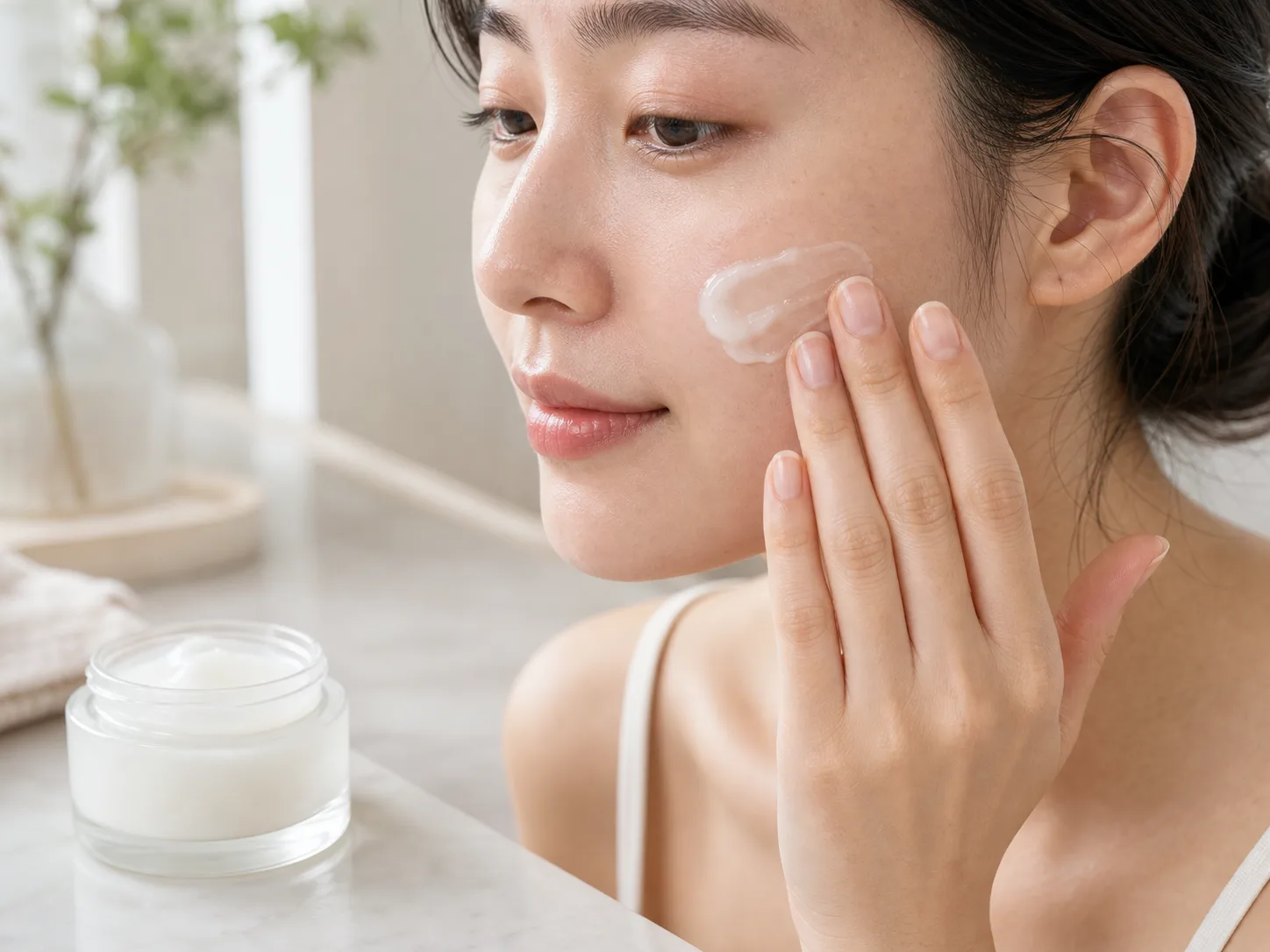
Apply ceramide moisturizer while skin is still slightly damp after cleansing or after a hydrating serum. This gives humectants water to hold and then places the lipid-rich cream over them. Start with a pea-sized amount for the face and add a thin second layer only to areas that remain tight, such as the cheeks or around the mouth.
At night, a ceramide cream usually goes after treatment serums. If retinol is irritating, applying moisturizer before and after the retinol can buffer the experience. In the morning, follow the moisturizer with broad-spectrum sunscreen. If the layers pill, use less product or switch to a lighter lotion rather than assuming the ceramide is incompatible with sunscreen.
When to expect results
The emollient part of a cream can make skin feel smoother immediately, but changes in recurring dryness and barrier performance are better judged over several days or weeks. The clearest signs are practical: less stinging from ordinary products, fewer rough patches, and skin that stays comfortable for longer between applications.
For ordinary dry, tight, overworked skin, Ceramide NP is a sensible ingredient to build a moisturizer around. It helps the outer skin retain moisture. Persistent cracking, oozing, severe itch, or pain calls for medical evaluation rather than another moisturizer experiment.
Sources used
- American Academy of Dermatology: How to choose a moisturizerConsumer principles for choosing and timing a moisturizer for dry skin
- COSMILE Europe: Ceramide NPINCI identity and skin-conditioning function of Ceramide NP
- Cosmetic Ingredient Review: CeramidesSafety assessment of cosmetic ceramides including Ceramide NP
- Clinical significance of ceramide-containing formulationsControlled-study evidence for water retention and barrier function in ceramide formulas
- Ceramide moisturizers: systematic review and meta-analysisTEWL and skin-condition outcomes versus non-ceramide moisturizers
- Ceramide-dominant cream and cleanser: randomized trialHydration and TEWL changes after 28 days compared with placebo
- Exogenous Ceramide NP and keratinocyte differentiationCell evidence on Ceramide NP localization and keratinocyte differentiation markers