What this ferment actually is
Streptococcus Thermophilus Ferment is a cosmetic raw material made with Streptococcus thermophilus, a bacterium widely known from yogurt fermentation. Seeing the INCI on a product does not mean live yogurt bacteria are expected to colonize the skin. A ferment material may contain components produced during fermentation, and its strain, culture medium, processing, and final composition can differ by supplier.
That distinction matters because “probiotic skincare” can sound more precise than it is. For this ingredient, the useful cosmetic question is usually not whether it changes a person’s skin microbiome. It is how a ferment-derived ingredient fits into a leave-on formula designed for hydration and surface comfort.
The cream study that measured ceramides
In a seven-day study of 17 volunteers, a cream containing sonicated S. thermophilus increased outer-skin ceramides. Sonication breaks up the bacterial cells. Their enzyme sphingomyelinase can split sphingomyelin, a lipid, to release ceramide. This provides a specific explanation for the result: the preparation helps make ceramide from another lipid, rather than simply supplying a water-binding ferment.
The tested material was a sonicated bacterial preparation in a specific cream. An ordinary ferment need not retain the same enzyme activity, so the INCI alone cannot establish the same ceramide increase. A cream with ceramides added directly supplies the lipids instead of relying on this conversion.
Where it tends to make the most sense
Leave-on essences, serums, and creams give the formula time to sit on the skin, so they are the most natural formats to compare. Glycerin, betaine, and panthenol can supply immediate water-binding comfort; ceramides, cholesterol, fatty acids, and emollients can contribute to a more lasting cushion. When those groups appear together, the product is more likely to be built around dry-skin comfort than around a dramatic active claim.
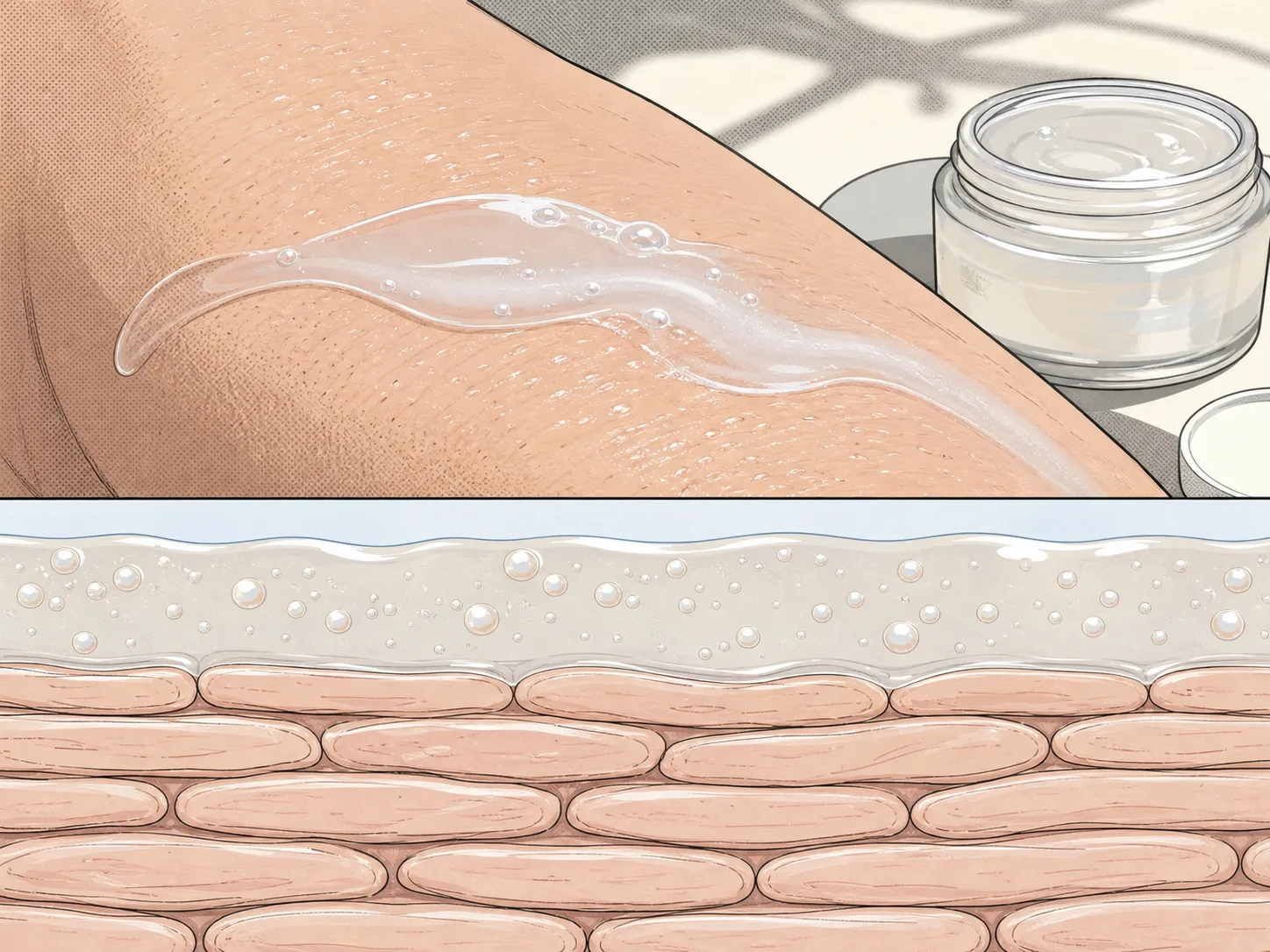
The same INCI in a cleanser is a different situation. Rinse time and the surfactant system have a much larger influence on the after-feel, so a ferment in a wash-off product should not be read like a leave-on barrier cream.
How to choose a product around it

For persistent tightness after cleansing, look beyond the ferment name to the humectants and lipids around it. A cream with glycerin, panthenol, ceramides, cholesterol, and a comfortable emollient base gives a more concrete reason to expect a cushioned finish. For oilier skin, a lighter essence or gel can be easier to layer, but fragrance and drying alcohol may matter more to comfort than the ferment itself.
If fragrance has caused problems before, choose a lower-scent or fragrance-free formula first. A microbiome-themed front label cannot tell you whether a formula will sting, pill under sunscreen, or feel too rich; those answers come from the full ingredient list and the product format.
Introducing it to a routine
Try a new moisturizer on a small cheek or jaw area before making it a daily step. Do not introduce it in the same week as a new retinoid, exfoliating acid, or strongly fragranced product if you want to identify a reaction clearly. Continued stinging, itch, or redness is a reason to stop and review the whole formula.
Sources used
- KCIA standardized cosmetic ingredient listKorean standardized ingredient name and INCI pairing
- Effect of Streptococcus thermophilus on stratum corneum ceramide levelsHuman topical-cream study scope and ceramide finding
- Streptococcus Thermophilus Ferment ingredient explainerConsumer-facing ingredient and finished-product use
- Streptococcus Thermophilus Ferment cosmetic usesPlain-language fermentation and use-context cross-check
- Streptococcus Thermophilus cosmetic raw materialCosmetic raw-material and formulation application context
- Coos Korean ingredient entryKorean consumer naming and product-context terminology