Ectoin helps keep dry, rough-feeling skin hydrated
Ectoin is used to keep dry, rough-feeling skin hydrated and comfortable. It helps stabilize hydration around proteins and membranes, a property used in products for dryness and barrier support.
It may appeal if your cheeks become tight during a day in a heated room, or if your usual routine leaves visible dry flakes. Ectoin is available in serums, gels, lotions, and creams, so you can choose a texture suited to how dry your skin feels.
Ectoin helps stabilize water around proteins and membranes
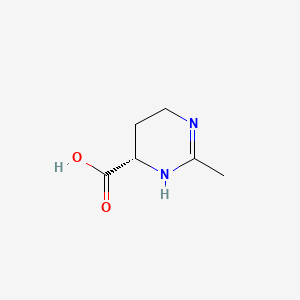
Microorganisms in salty or dry environments produce ectoin to help protect their proteins and membranes. Skincare uses that water-stabilizing property to support hydration.
Proteins need water around them to maintain their structure. Ectoin affects that surrounding hydration environment. Product descriptions sometimes use the term “hydrocomplex” for this interaction between ectoin and surrounding water.
Less tightness and roughness are changes you may notice. Ectoin does not supply the lipids between surface skin cells, so very dry skin may also need a cream that contains emollients and barrier lipids.
Ectoin, hyaluronic acid, and ceramides have different roles
These ingredients can share a formula. Hyaluronic acid holds water, while ceramides form part of the lipid material between cells in the outer skin layer. Ectoin helps stabilize hydration around biological structures. Combining them can address different aspects of dryness.
If a serum feels hydrating at first but your face becomes tight again by afternoon, adding a cream that reduces moisture loss may be more useful than another layer of serum. If a rich cream feels too heavy, an ectoin gel or lotion is an option. Ectoin itself is not an oil.
Studies of ectoin formulas have reported hydration benefits
A trial involving 104 healthy women compared a 2% ectoin formula with its base emulsion and an untreated area. It assessed hydration, skin surface characteristics, and elasticity, and reported results favoring the ectoin treatment.
A review of six studies examined creams used on barrier-impaired skin. Most contained 5.5–7% ectoin. Improvements in dryness and related discomfort were reported, sometimes alongside other moisturizers or prescribed treatment.
The studies used different formulas and populations. They did not compare concentrations directly, so they cannot tell us how much more effective a 7% product would be than a 2% product. A finished-product hydration test is more useful for comparing products than assuming the largest number must work best.
You can use an ectoin moisturizer alongside retinol
An ectoin moisturizer can help manage dryness in a retinol routine. Use it morning or evening in the moisturizing step, adjusting the order to whether it is a serum, lotion, or cream. Finish daytime care with sunscreen.
If retinol leaves your skin persistently burning or cracked, adding moisturizer alone may not resolve the irritation. Reduce use of the irritating product and allow your skin to settle. A simple fragrance-free moisturizer may be easier to tolerate.
Sources used
- COSMILE Europe: EctoinINCI identity, biotechnology origin, and skin-conditioning function
- PubChem: EctoineExact chemical identity and extremolyte osmoprotectant description
- FDA UNII: EctoineFDA UNII substance identity and synonyms, with the boundary that an identifier is not product approval
- Health Canada: Ectoine ingredient recordTopical route and non-medicinal skin-conditioning and emollient purposes
- Randomized vehicle-controlled assessment of EctoinHydration, skin-surface, and elasticity endpoints from a 2% ectoine formula in 104 participants
- Topical Ectoine systematic reviewReview evidence on impaired barriers and inflammatory conditions, separated from ordinary cosmetic supportive-care claims
- Ectoine and stratum-corneum hydration kineticsPhysical hydration mechanism involving stratum-corneum keratin and water dynamics
- ELLE Korea: Ectoin ingredient guideKorean consumer context for product formats, routine placement, and ingredient combinations