It is a fermentation ingredient, not live yeast for your skin
Aureobasidium Pullulans Ferment is made through fermentation with Aureobasidium pullulans, a microorganism often described as black yeast. The INCI name does not mean that a cosmetic is delivering live yeast to colonize the skin. It refers to a processed fermentation material: a complex mixture rather than a single molecule with one predictable concentration and behavior.
Korean and European ingredient references classify the ferment as a skin-conditioning material. Its polysaccharide-rich fraction can change viscosity and slip, spread moisture evenly, and leave a light film that makes rough skin feel smoother.
Ferment, ferment extract, and filtrate are not interchangeable
Read the complete INCI name. Aureobasidium Pullulans Ferment Extract is an extract made from the ferment and is listed separately. Aureobasidium Pullulans/Rice Bran Ferment specifies rice bran as the fermented substrate. A ferment filtrate can also differ from the unfiltered fermentation material because filtration changes what remains in the ingredient.
These distinctions matter when a brand cites research. A test on a rice-bran ferment or on a proprietary filtered material does not automatically describe every formula that lists the shorter Aureobasidium Pullulans Ferment name. Fermentation conditions, substrate, purification, solids content, and preservation system can all change the finished raw material.
How the ferment differs from pullulan and beta-glucan
Aureobasidium pullulans can produce polysaccharides, which is why this ingredient often appears in discussions of pullulan or beta-glucan. But Pullulan and Beta-Glucan are their own INCI entries. If a label lists only the ferment, it does not tell you that a standardized amount of either polysaccharide is present.
Pullulan is commonly discussed as a film former, while beta-glucan is used in hydration and conditioning formulas. Those properties help explain why a specific black-yeast-derived raw material might change texture or surface feel. They do not justify treating every ferment as concentrated beta-glucan, nor do they prove that a product listing the ferment performs like a formula that lists beta-glucan separately.
The visible benefit is a light hydration film
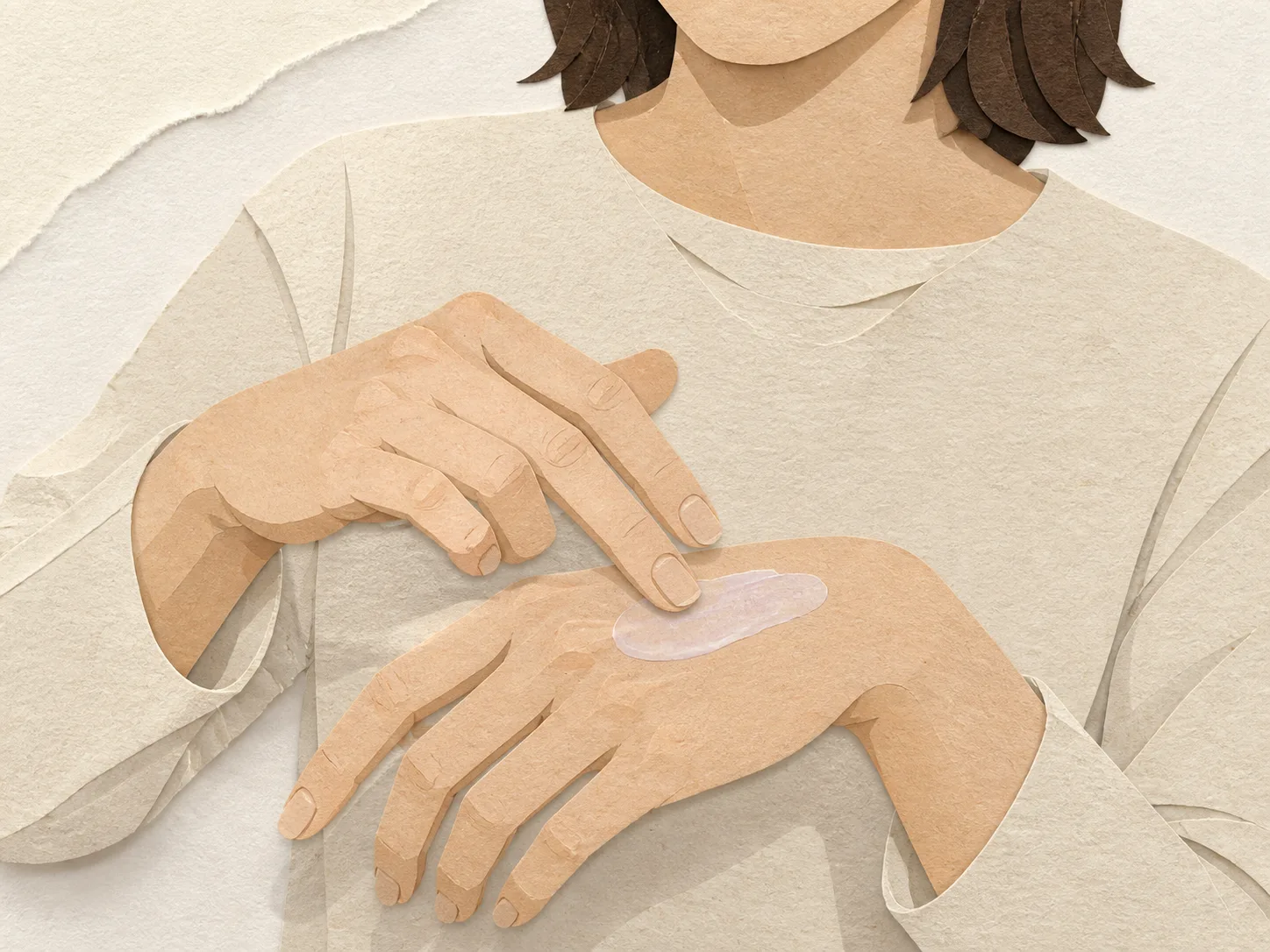
In a formula, the ferment mainly adds water-binding film, slip, and a softer finish. Alongside glycerin, glycols, panthenol, allantoin, texture polymers, or emollients, the ferment may contribute to a formula that feels less stripping and leaves the surface smoother. What you notice after application still belongs to the finished formula, not to one highlighted line on the ingredient list.
Research on black-tea ferments and technical data for specific black-yeast beta-glucan materials discuss antioxidant, texture, and barrier-related possibilities. These are not equivalent to independent clinical trials of the generic INCI in every cosmetic. A different substrate or standardized proprietary material can produce results that do not transfer to an ordinary pad, serum, or cream.
How product format changes the experience
In an essence pad, fabric, liquid load, rubbing pressure, and contact time may matter more than the ferment. Holding a well-saturated pad briefly against the skin is different from repeatedly scrubbing with it. Reactive skin can reduce friction and follow the product’s time limit rather than assuming that extra rubbing releases more benefit.
In a serum or ampoule, humectants and polymers create much of the slip, tack, and temporarily plumped finish. A smooth sheen after application often reflects a hydrated surface film and more even light reflection, not an instant structural transformation. A light gel may be enough for oily skin, while dry skin may need an emollient cream over it.
In a lotion or cream, ceramides, cholesterol, fatty acids, squalane, fatty alcohols, and other emollients can be more important to lasting comfort. The ferment can sit inside that support system, but a watery product containing it does not automatically replace a barrier-focused moisturizer.
How to introduce it
Test a new formula on a small area near the jaw or behind the ear before applying it widely. Start pads a few times a week with minimal pressure. Use serums and creams in the amount directed on the package, and change one product at a time so a reaction is easier to trace.
Fermented does not mean universally gentle. Persistent redness, itching, swelling, or burning is a reason to stop. Fragrance, preservatives, exfoliating acids, other botanicals, or pad friction may be responsible, so evaluate the entire formula rather than diagnosing the ferment from the name alone.
Sources used
- Korea Cosmetic Association ingredient reference
- EU CosIng - AUREOBASIDIUM PULLULANS FERMENT
- COSMILE Europe - AUREOBASIDIUM PULLULANS FERMENT
- Source from coos.kr
- INCIDecoder - Aureobasidium Pullulans Ferment
- SpecialChem - AUREOBASIDIUM PULLULANS FERMENT
- Source from abib.com
- ADEKA BETA-GLUCAN LQ-S technical catalogue
- Source from kci.go.kr