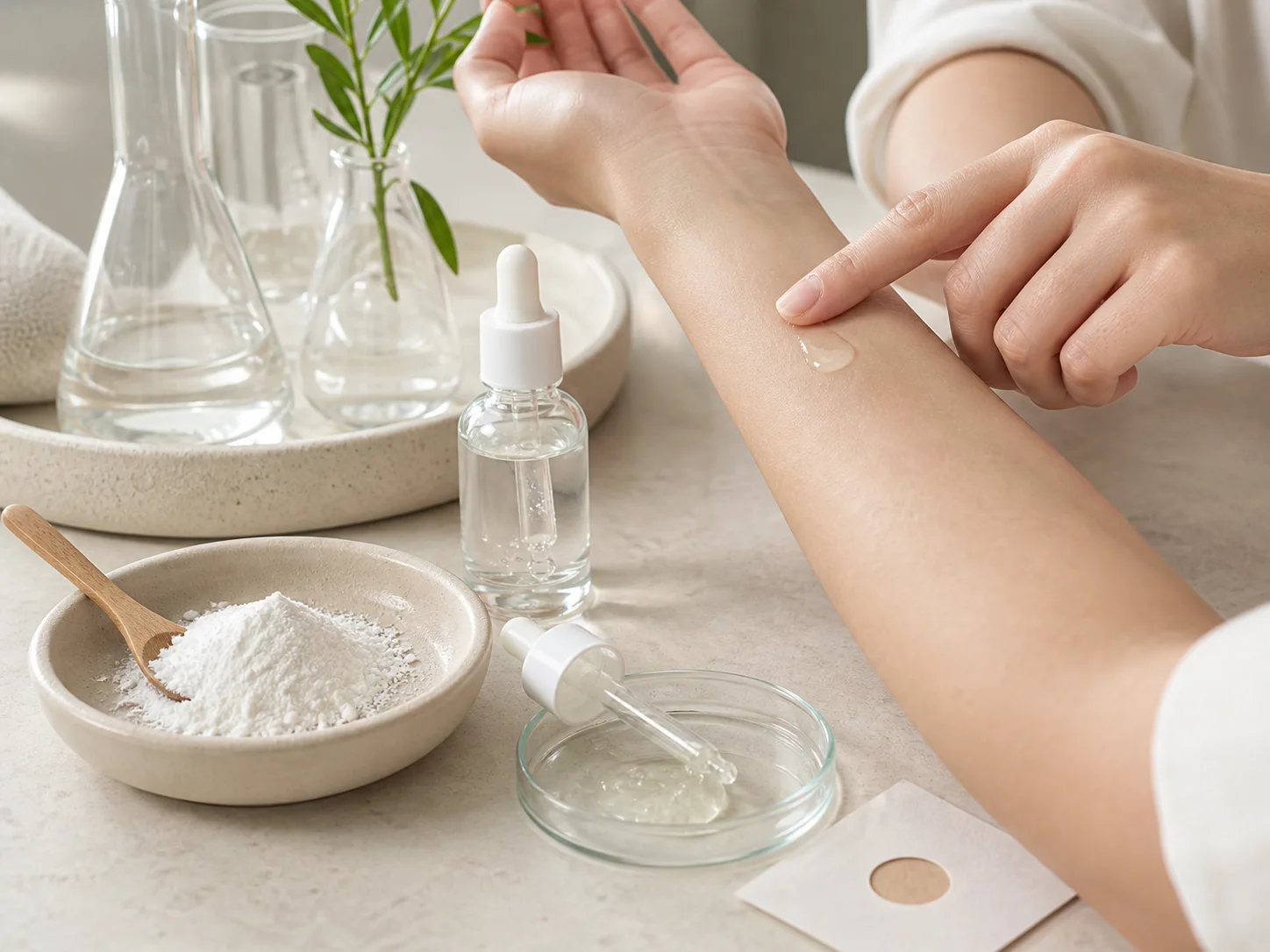
One serum can address breakouts and the marks they leave
Azelaic acid is useful when clogged pores, inflamed breakouts, and leftover marks occur together. It helps normalize how dead cells collect around pore openings and acts against acne-related microbes and inflammatory signals. It also inhibits tyrosinase, an enzyme involved in melanin production. That combination can reduce new blemishes while gradually softening the look of brown marks left after inflammation.
Red marks are different from brown marks. Brown post-inflammatory hyperpigmentation is driven mainly by excess melanin, so the tyrosinase pathway is relevant. Red or purple marks involve lingering inflammation and blood-vessel changes. Azelaic acid may help when inflammation is part of the redness, but it will not stop every flush triggered by heat, alcohol, exercise, or temperature changes.
Concentration and texture change the experience
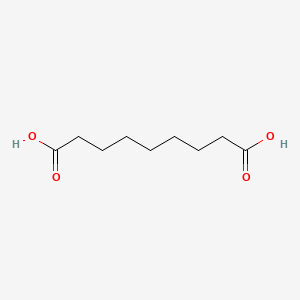
Cosmetic serums often use lower concentrations than prescription creams, gels, or foams. Products containing 15% or 20% azelaic acid may be regulated as medicines depending on the country. A larger number may produce a stronger effect, but it can also bring more stinging and dryness. Follow the instructions for the specific product rather than comparing percentages across different markets and dosage forms.
Azelaic acid is difficult to dissolve, so many serums are suspensions. They can leave a powdery or silicone-like finish and may pill when too much is applied. Use a thin layer, let it settle, and then add moisturizer. A cream can cushion dry skin, while a gel or light suspension may suit oily skin but feel sharper on a damaged barrier.
Start with two or three applications a week
Begin two or three nights a week on clean, dry skin. A pea-sized amount is enough for the whole face. Applying a thick spot layer does not make one blemish disappear faster. If direct application stings, use moisturizer first and spread azelaic acid over it. Increase toward alternate-night or daily use only after the skin remains comfortable.
Niacinamide is usually easy to pair with azelaic acid because it also supports uneven tone and the moisture barrier. Retinoids, AHA, and BHA can fit in the same overall routine, but sensitive skin often does better when they are separated by time or used on different nights. Introduce one active at a time so a reaction has an identifiable cause.
Breakouts and dark marks improve at different rates
Count new inflamed blemishes every two weeks. Compare brown marks monthly in similar lighting. For redness, note whether persistent color and inflamed bumps improve rather than judging sudden flushing alone. Raised or indented scars are structural changes and need a different plan from flat brown or red marks.
Daily sunscreen matters when dark marks are the goal. New ultraviolet exposure can deepen pigmentation and hide progress. Azelaic acid works gradually, so a comfortable routine kept for several weeks is more useful than a strong formula used only a few times.
Azelaic acid and its derivatives are different ingredients
Azelaic Acid and Potassium Azeloyl Diglycinate are related but separate ingredients. The latter is a more water-soluble derivative often used around oil control and hydration. Its concentration and study results cannot be treated as equivalent to those of pure azelaic acid.
Dry skin benefits from glycerin, panthenol, squalane, or ceramides around the active. Oily skin may prefer a lighter formula, but an aggressively matte finish that leaves the face tight is not a better result. Fragrance and several exfoliating acids can make a formula harder to tolerate.
Brief tingling can occur during the first weeks. Burning that feels painful, swelling, hives, or severe itching is not a sign that the serum is working. Stop and let the skin recover. If widespread acne or persistent rosacea symptoms continue, changing cosmetic serums alone may not be enough.
Sources used
- American Academy of Dermatology: Adult acne treatmentConsumer context for azelaic acid in adult acne and post-acne dark marks
- American Academy of Dermatology: Rosacea treatmentUse context separating rosacea papules and pustules or persistent color from sudden flushing
- DailyMed: Azelaic Acid GelRegulated 15% gel label, papule and pustule indication, and irritation or hypersensitivity cautions
- DermNet: Azelaic AcidDicarboxylic-acid identity, inflammatory, antimicrobial, keratinization, and tyrosinase mechanisms, plus gradual introduction
- Azelaic Acid: Mechanism and Clinical ApplicationEvidence review of anti-infective, anti-inflammatory, follicular-keratinization, and melanogenesis mechanisms
- PubChem: Azelaic AcidExact chemical identity and structure of azelaic acid
- Azelaic acid formulation reviewHow concentration and delivery vehicle can change efficacy and irritation
- Cleveland Clinic: Azelaic Acid Cream Medication GuidePatient guidance on a medicated acne cream and irritation, distinguished from instructions for cosmetic serums.