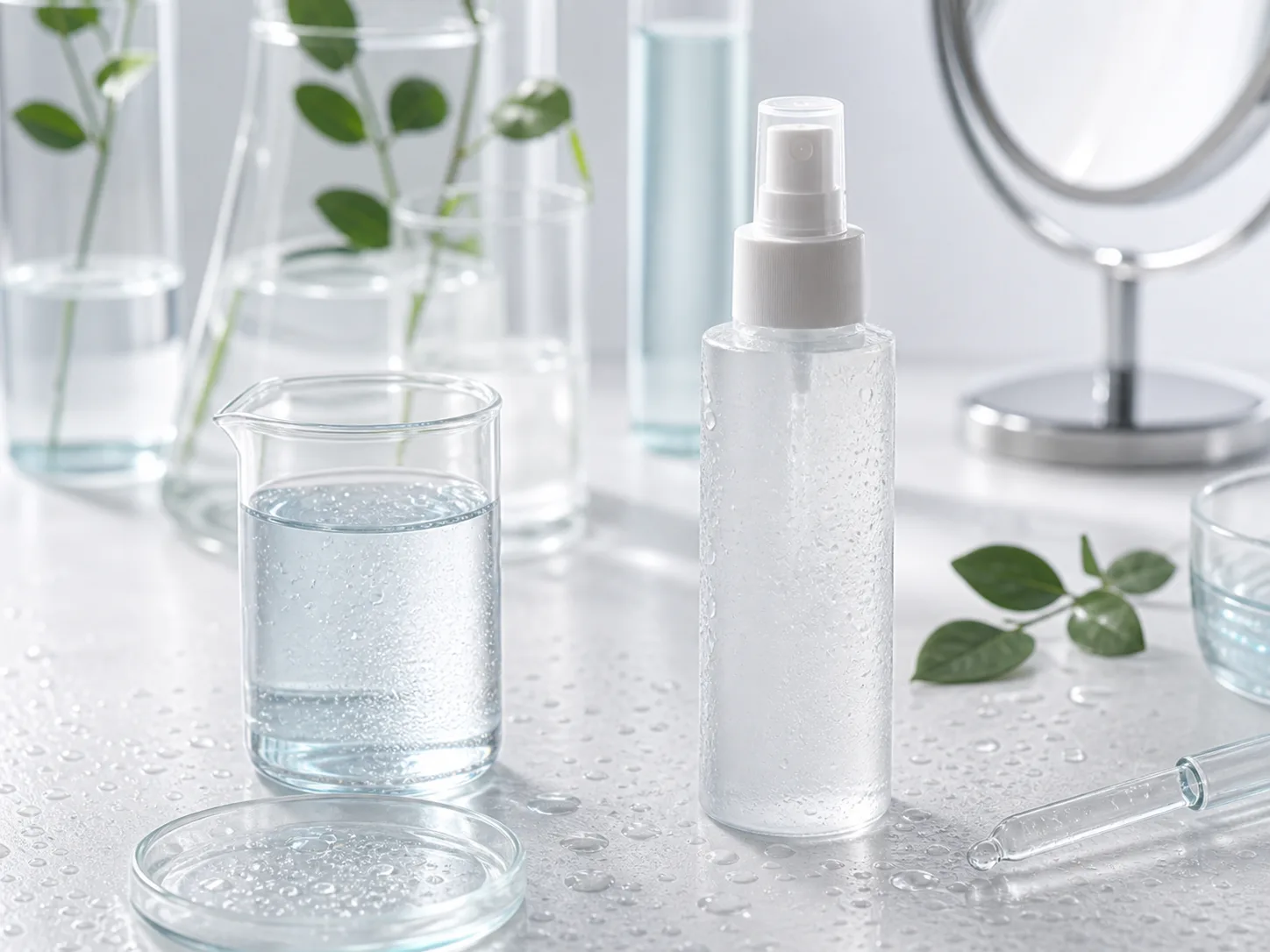
Hypochlorous Acid reduces surface microbes after sweat and friction
Hypochlorous Acid Spray is useful after a workout because it can lower microbial load on the skin surface and calm the hot, irritated feeling left by sweat and friction. A well-formulated spray dries without an oily or sticky film, which makes it easy to use before moisturizer or the rest of an acne-prone routine.
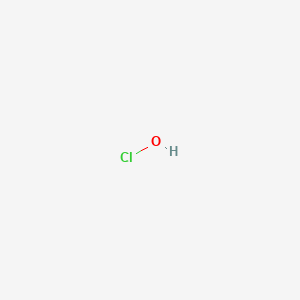
Hypochlorous acid, abbreviated HOCl, is a weak acid with oxidizing activity that immune cells also produce when responding to microbes. A facial spray contains a carefully diluted, water-based solution. It is not the same as splashing household bleach on the skin, and products sold for counters, pools, or animal care should never be substituted for a formula labeled for skin.
Where it fits for acne-prone skin
A hypochlorous acid mist may help keep sweaty, touched skin cleaner and may calm the look of temporary redness. It does not dissolve a clogged pore the way salicylic acid can, regulate comedones like a retinoid, or replace benzoyl peroxide and prescription treatment. Think of it as a supportive hygiene and comfort step, not the main treatment for persistent acne.
After exercise, blot or rinse away heavy sweat, mist evenly, and let the skin dry. Cleanse normally when convenient. In a morning or evening routine, spray after cleansing and allow it to dry before serum and moisturizer. This order preserves the light, direct contact that makes the format useful.
The bottle matters
HOCl is reactive and can lose strength with light, heat, air exposure, and changes in pH. Choose a skin product with clear storage instructions and an expiration period that you can realistically finish. Keep it out of a hot car and direct sun. An opaque or protective bottle and a fine mister are sensible features, not mere decoration.
Many formulas contain little more than water, salt-derived components, and hypochlorous acid. Added fragrance or essential oils create extra variables for sensitive skin. A powerful chlorine smell, a damaged bottle, or a product long past its recommended open period is a reason to replace it rather than spray more.
Combining it with the rest of a routine
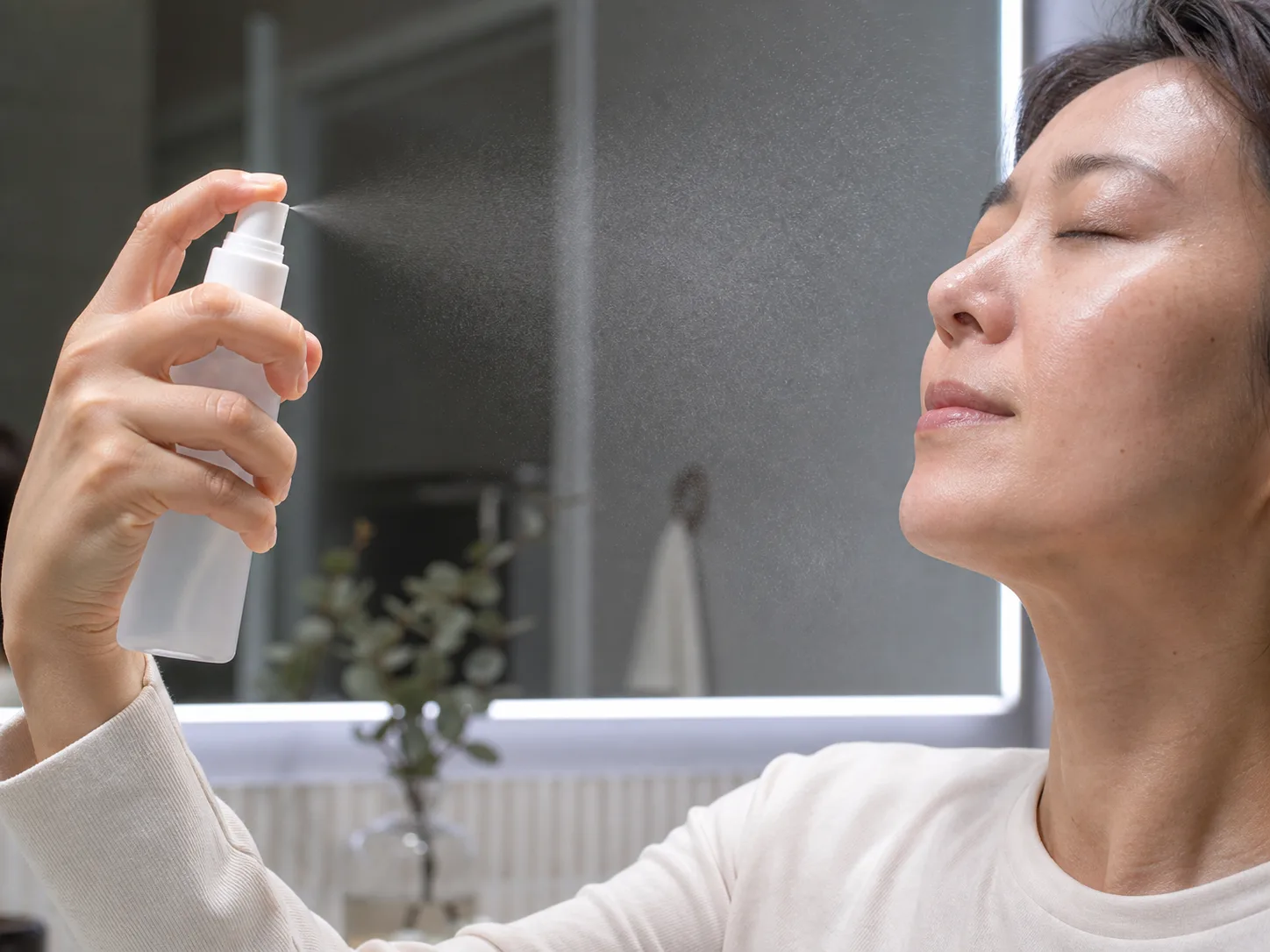
Let the mist dry before applying leave-on products. Because HOCl is an oxidizing substance, spacing it from oxidation-sensitive antioxidants such as L-ascorbic acid is reasonable; use them at different times or wait until the spray has fully dried. Follow with moisturizer if the skin is dry, because HOCl itself is not a lasting hydrator.
Most skin-specific products are designed to be gentle, but gentle does not mean reaction-proof. If repeated use produces burning, tightness, rash, or increasing redness, stop. For painful, widespread, or persistent acne and dermatitis, a spray is not a diagnosis or a treatment plan.
Concentration and pH work as a system
In water, HOCl exists in balance with hypochlorite ions; pH changes that balance. A larger ppm number is not automatically better for the face. A skin product should control available chlorine, pH, packaging, and shelf stability together. DIY solutions make long-term strength harder to verify.
Do not soak cotton pads as a mask or decant the liquid into a clear decorative bottle. Check that the label specifically permits facial and eye-area use, because wound cleansers and household sanitizers can carry different instructions.
Sources used
- Cleveland Clinic: Hypochlorous Acid Skin CareConsumer uses, tolerability, and practical spray routine.
- Hypochlorous Acid clinical reviewAntimicrobial and anti-inflammatory mechanisms and clinical boundaries.
- Dermatology Times: HOCl spray mythbustersLimits of evidence and distinction from acne treatment.