What hyaluronic acid actually does
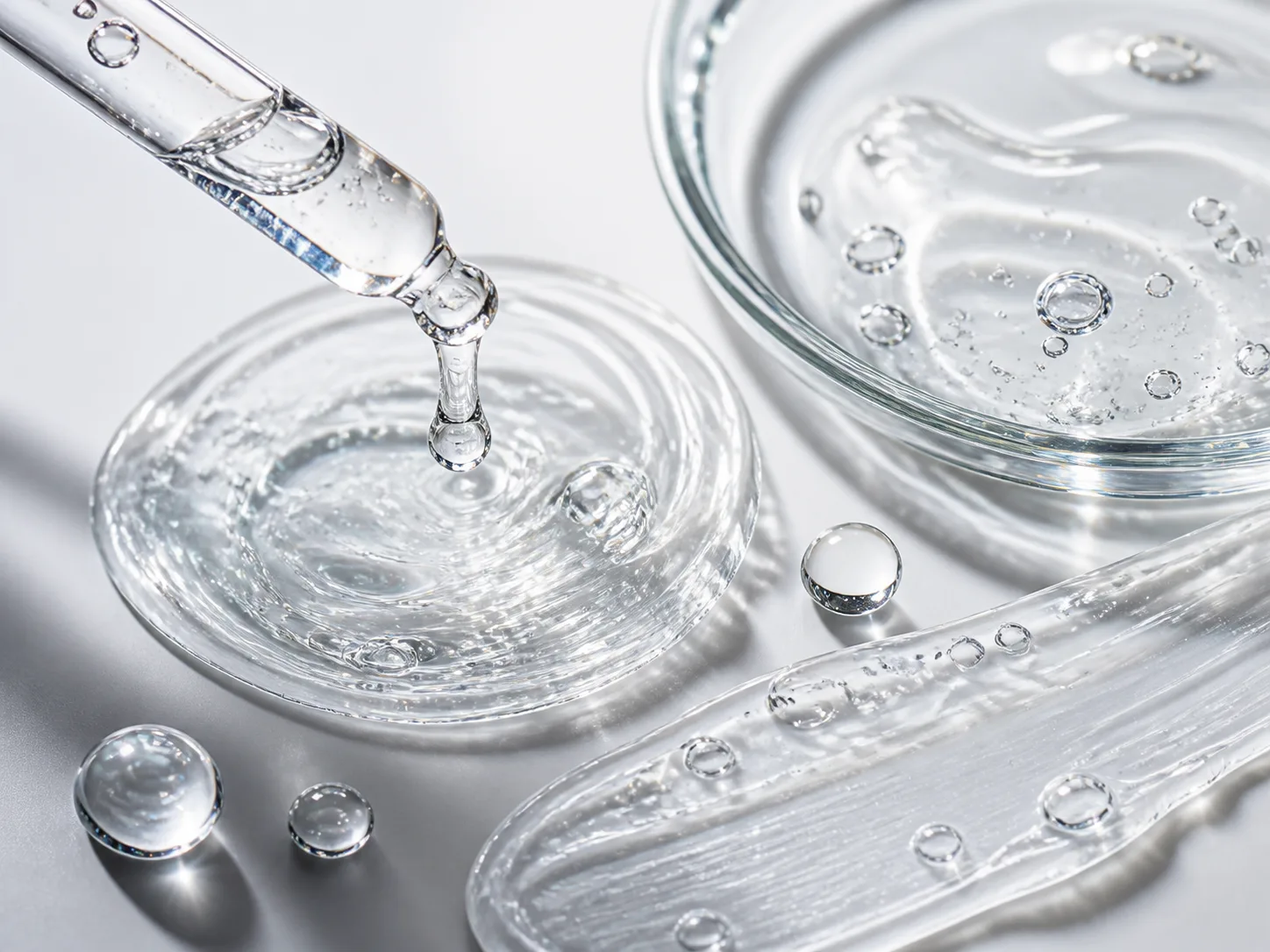
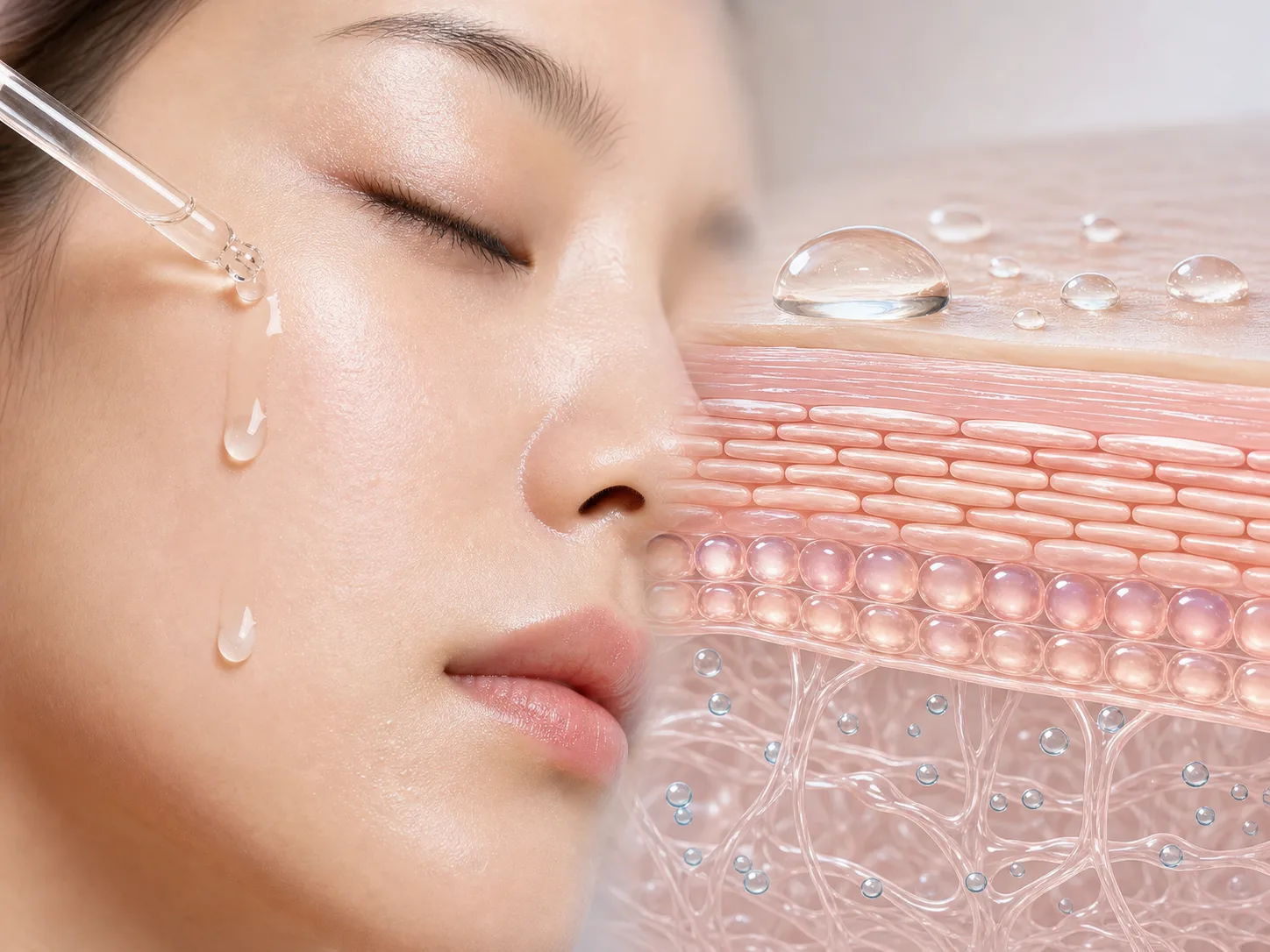
Hyaluronic acid is a humectant: it attracts and holds water. In a serum, that gives dehydrated skin a quick change in feel. Tightness eases, rough areas feel more flexible, and fine lines caused by dryness can look softer because the outer skin is better hydrated. It is not an exfoliant and it does not erase a wrinkle. Its strength is fast, comfortable surface hydration and temporary plumping.
Chemically, hyaluronic acid is a long sugar polymer built from repeating units of glucuronic acid and N-acetylglucosamine. Ingredient lists may show Hyaluronic Acid, Sodium Hyaluronate, Hydrolyzed Hyaluronic Acid, or several versions together. Larger polymers tend to form a cushioning film on the surface. Smaller fragments can produce a lighter feel and interact differently with the upper skin layers. “Multi-molecular” can be a useful formulation choice, but it is not proof that a serum reaches the dermis or hydrates for a specific number of hours.
Why a watery serum can still leave skin tight
A humectant holds water but does not form an oil layer. If you apply a hyaluronic acid serum and stop there, the first few minutes may feel plush while the finish later feels tight. This is common in dry air, air conditioning, and winter heating. Apply the serum to slightly damp skin, then cover it with a moisturizer containing emollients or barrier lipids. Ceramides, squalane, shea butter, and fatty alcohols can reduce the dry-down that a water-only routine leaves behind.
Oily skin may need much less. A thin serum with glycerin, betaine, or panthenol can provide hydration without a heavy finish. Too many sticky layers can pill beneath sunscreen, so one light application is often more useful than repeatedly flooding the face.
Other moisturizing ingredients affect how long hydration lasts
A label that boasts five or ten forms of hyaluronic acid does not tell you how the finished product feels. Look for the supporting system. Glycerin and propanediol add humectancy; ceramides and emollients help retain comfort; film-formers can improve slip but may pill when overapplied. A thick, stringy texture can come from thickeners and is not a reliable sign of a high hyaluronic acid concentration.
Dry skin usually benefits from a serum that stays flexible under a richer cream. Oily or makeup-wearing skin often does better with a low-residue essence. Sensitive skin should favor a short, fragrance-free formula and introduce one product at a time. If a supposedly soothing serum repeatedly causes burning, itching, or redness, another ingredient in the formula may be responsible.
Apply the serum to slightly damp skin, then use moisturizer
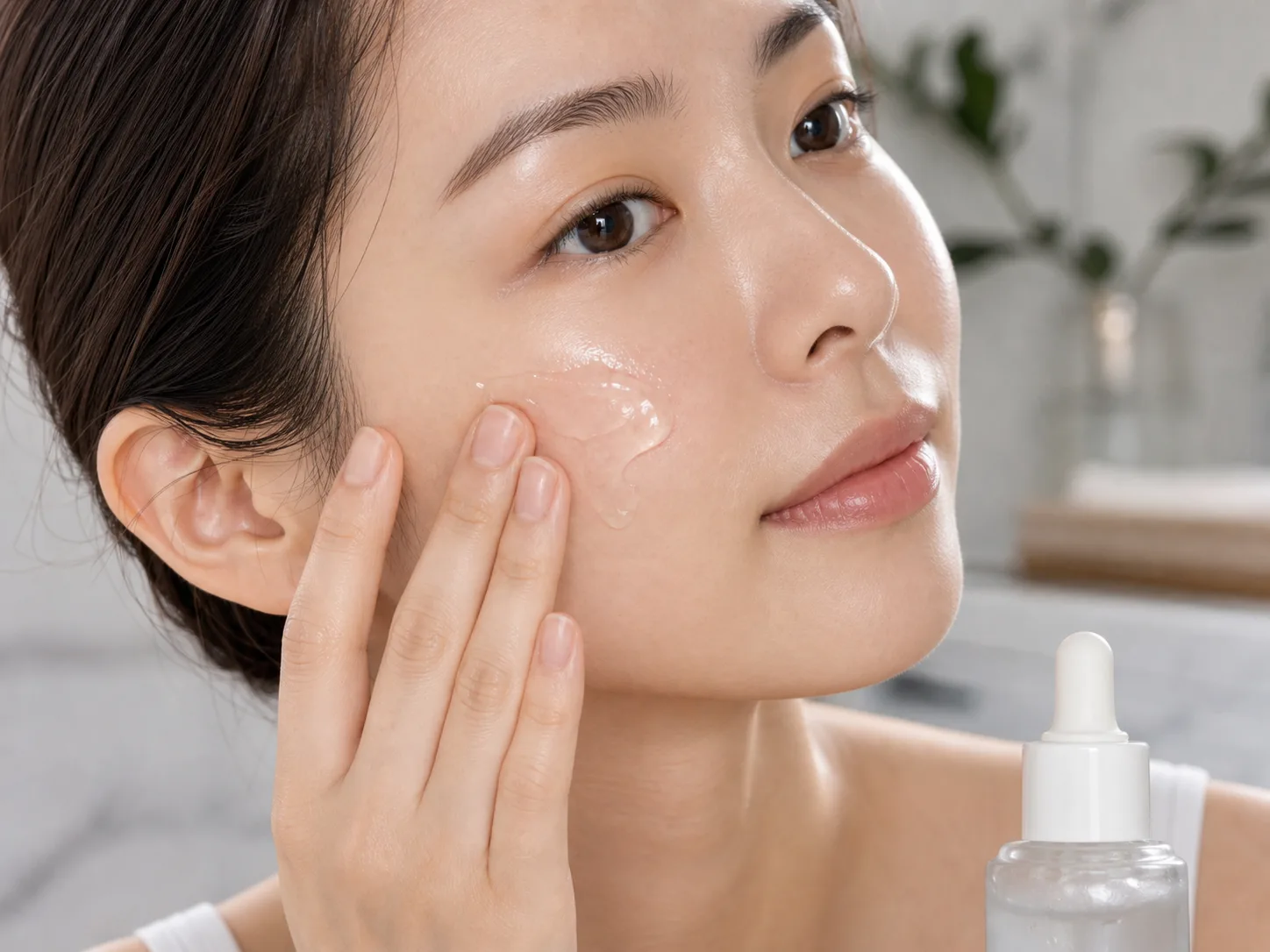
After cleansing, leave the skin faintly damp and spread a small amount over the face. Follow with moisturizer; in the morning, finish with sunscreen. If products roll into flakes, use less serum and allow each layer to settle. Hyaluronic acid can be used alongside most common actives because it mainly supports hydration, but it cannot cancel irritation caused by an overly aggressive retinoid or acid routine. When the skin is sore, simplify the routine rather than adding more layers.
Serum, essence, and cream serve different jobs
In an essence, hyaluronic acid gives quick slip and a first layer of water. An ampoule often uses thickeners and film-formers for a bouncy finish. A cream adds oils, fatty alcohols, or barrier lipids, making it better at keeping dry skin comfortable for hours. Choose the format according to whether you need weightless layering or a moisture seal.
Sources used
- COSMILE Europe: Hyaluronic AcidINCI identity and humectant, moisturizing, and skin-conditioning functions
- PubChem: Hyaluronic AcidChemical identity and glycosaminoglycan polymer description
- Safety assessment of hyaluronic acid and hyaluronate saltsCosmetic safety scope for hyaluronic acid and hyaluronate salts
- Cleveland Clinic: Hyaluronic AcidWater binding, topical serum and cream use, and distinction from injections or supplements
- Hyaluronic acid: A key molecule in skin agingSkin-aging biology and changes in endogenous hyaluronic acid
- Hyaluronic Acid in Topical ApplicationsTopical hyaluronic acid forms, molecular-weight differences, and formulation context
- Benefits of topical hyaluronic acid for skin qualityClinical context for skin quality, hydration, and dryness-linked fine lines
- Hyaluronic acid skin rejuvenation reviewEvidence boundaries separating topical, oral, and procedural uses
- Korea Cosmetic Association: Hyaluronic AcidKorean label name, polysaccharide identity, and viscosity-increasing function of hyaluronic acid in water-based formulas.