What the long ingredient name means
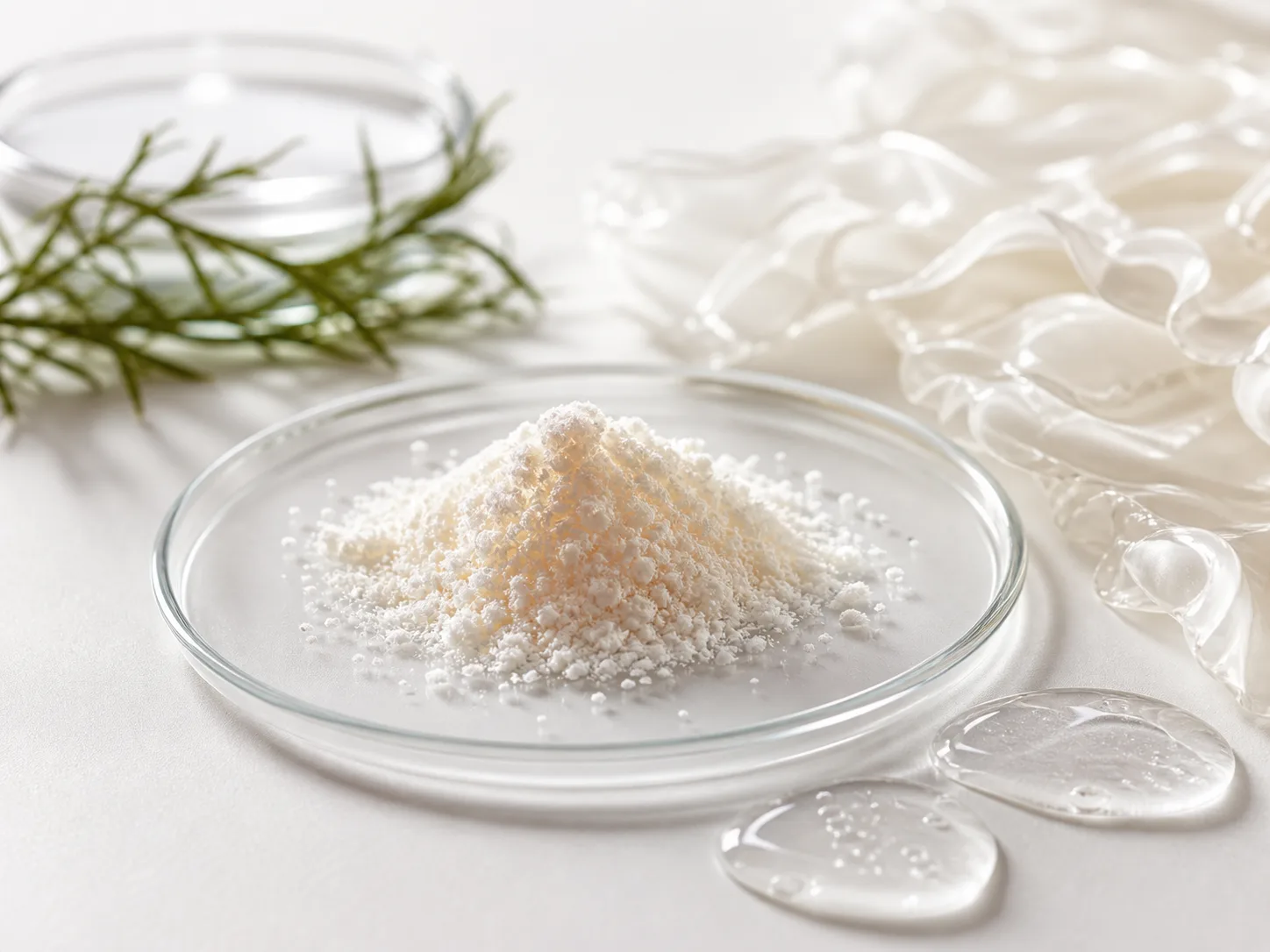
Hydrolyzed glycosaminoglycans are easier to understand once the name is split in two. Glycosaminoglycans, often shortened to GAGs, are long carbohydrate chains built from repeating amino-sugar units. “Hydrolyzed” means those chains have been broken into smaller fragments through a reaction with water, often assisted by enzymes.
The Korea Cosmetic Association ingredient record defines this INCI material as a mixture of polysaccharides obtained by hydrolyzing animal connective tissue, composed mainly of glucosamine and glucuronic acid. It is a variable mixture rather than one purified molecule, so there is no single molecular formula or one exact structural diagram that represents every commercial grade.
How it helps retain water and soften dry skin
Its clearest cosmetic jobs are humectancy and skin conditioning. The sugar-rich fragments interact with water in a formula and at the skin surface. In practice, that can make dry, tight skin feel more flexible and leave rough areas feeling smoother. A well-hydrated outer layer also reflects light more evenly, so skin may look plumper and fine dehydration lines can appear softer for a time.
Softening dehydration lines is different from rebuilding collagen. Glycosaminoglycans naturally occur in the skin’s extracellular matrix, and that biology is sometimes used to imply that a topical hydrolysate will enter the skin and perform the same structural work.
Is it another form of hyaluronic acid?
Hyaluronic acid is a member of the glycosaminoglycan family, but the names are not interchangeable. Hyaluronic acid is a relatively well-defined polymer made from repeating glucuronic acid and N-acetylglucosamine units. Hydrolyzed glycosaminoglycans describe a broken-down mixture that may contain fragments from more than one type of GAG.
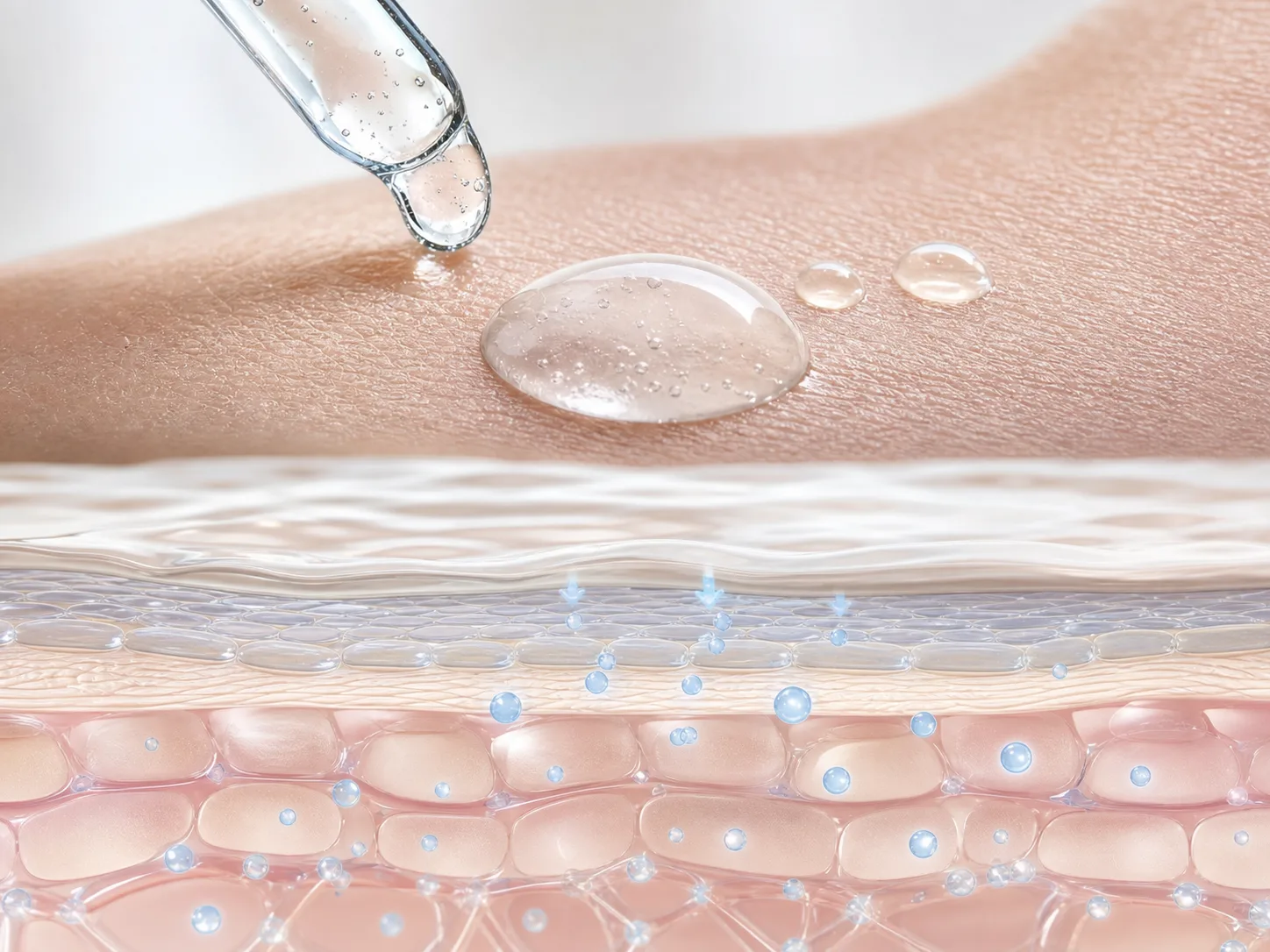
A formula can reasonably contain both. Hyaluronic acid, sodium hyaluronate, glycerin, and glycols may build the main water-binding system, while hydrolyzed glycosaminoglycans add conditioning and a softer finish. The broader name does not mean it is automatically more advanced, and “hydrolyzed” by itself does not prove deeper penetration.
Where it appears and what the texture may feel like
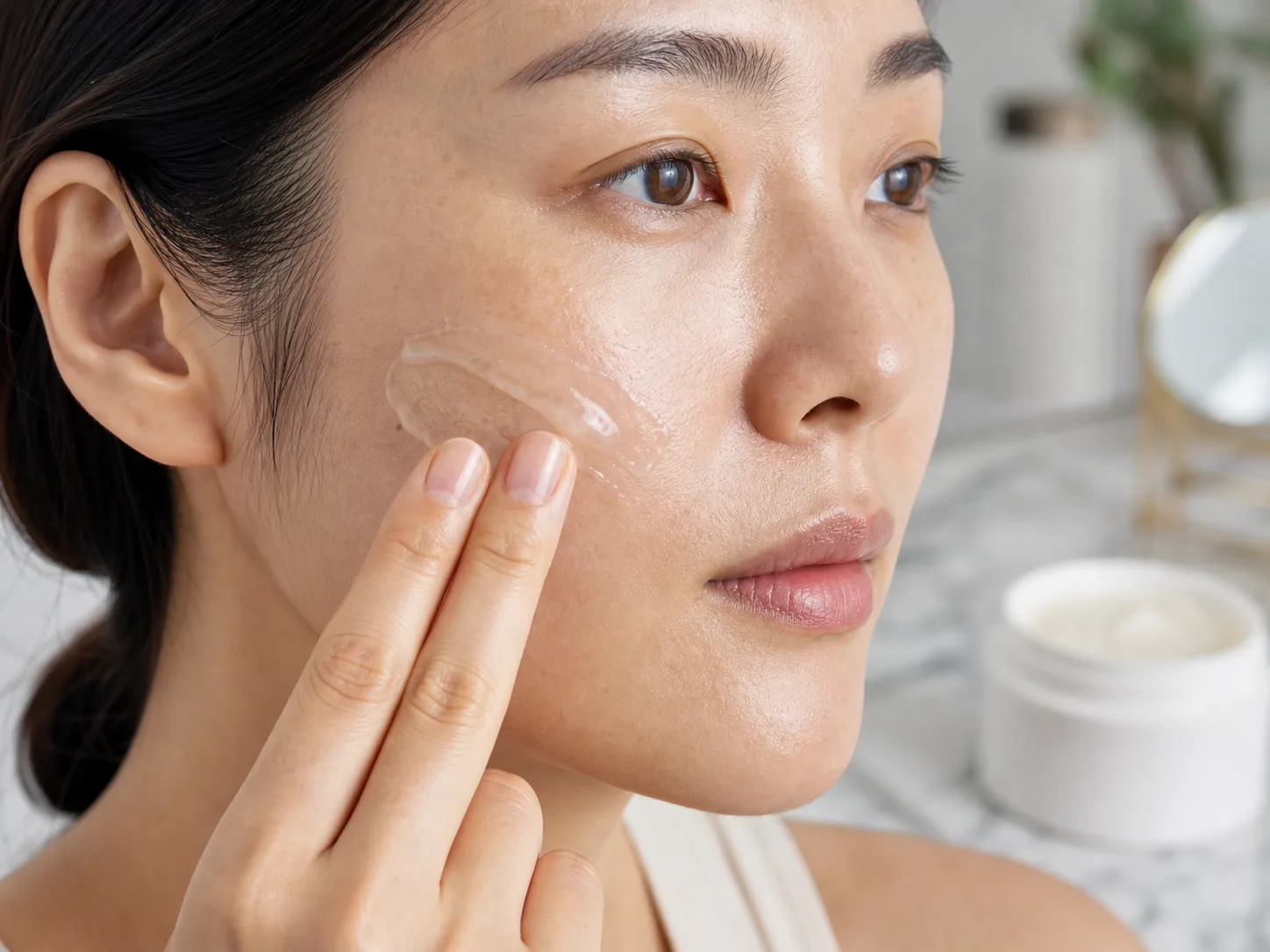
The ingredient shows up in toners, essences, serums, moisturizers, sheet masks, and some hair products. In a watery toner it may contribute to a light slip. In a serum it can support a cushioned, slightly bouncy feel. In a cream, the longer-lasting comfort usually comes from the full blend of humectants, silicones, fatty alcohols, oils, and emulsifiers rather than this ingredient alone.
A low position on an ingredient list does not automatically make it useless. Conditioning materials are often used at modest levels, and an INCI list does not disclose the exact percentage. Choose the product texture for your skin instead. Very dry skin usually benefits from a cream that combines humectants with ceramides, squalane, fatty alcohols, or other ingredients that slow water loss. Oily or easily congested skin may prefer a light gel or serum without a heavy oil-and-wax base.
What to layer over it
This is not an exfoliating active that requires a slow adjustment schedule. A toner or serum can go after cleansing and before moisturizer; a cream can be the final moisturizing step. It is suitable for morning use and is not known to increase sun sensitivity. There are no well-established conflicts with retinoids, vitamin C, niacinamide, or exfoliating acids, so it can serve as hydration support in routines that already contain those actives.
Humectant-heavy products can still feel tight in very dry air if nothing slows evaporation. Applying the product to slightly damp skin and following with a suitable moisturizer can improve comfort. If a new formula causes stinging or redness, inspect the entire product, including fragrance, essential oils, preservatives, and other actives, rather than assuming the unfamiliar INCI name is responsible.
Animal origin is a real shopping consideration
The Korean ingredient definition identifies animal connective tissue as a source, while COSMILE Europe lists animal or synthetic origin information. Manufacturing routes can vary by supplier, and the INCI name alone does not certify a product as vegan. Anyone avoiding animal-derived materials should look for credible vegan certification or ask the manufacturer about the raw-material source.
Sources used
- Korea Cosmetic Association ingredient dictionaryStandardized name, mixture definition, composition, and cosmetic functions
- COSMILE EuropeHumectant and conditioning functions plus origin information
- Paula's Choice Ingredient DictionaryConsumer-facing hydration and skin-softening context
- INCIDecoderINCI functions and product-format cross-check
- Glycosaminoglycans and topical skin aging reviewSkin GAG biology and limits of extrapolating it to a topical hydrolyzed mixture