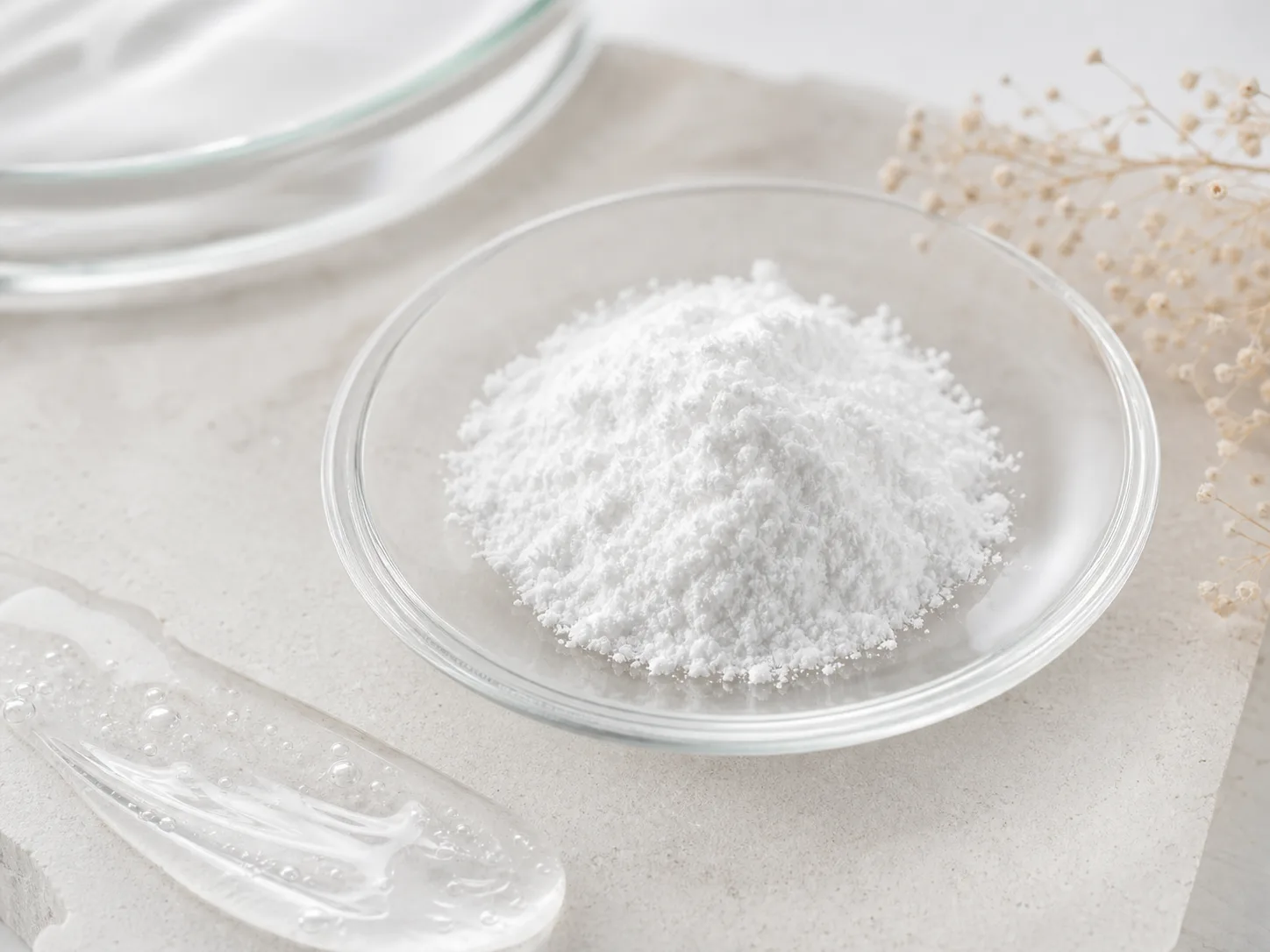
What hydroxyethyl urea is
Hydroxyethyl Urea is a synthetic moisturizing ingredient built from a urea structure with a hydroxyethyl group. The name contains urea, but it is not the same ingredient as plain urea. It appears on an INCI list as Hydroxyethyl Urea and may also be described as 2-hydroxyethylurea in raw-material information.
Its main cosmetic story is hydration. Because it interacts well with water, it is used in toners, essences, lotions, and creams to reduce the feeling of dryness and tightness. It can suit formulas looking for a moisturized feel without a strongly sticky finish.
How it differs from urea
Plain urea can be used for both moisturization and, depending on concentration and purpose, softening rough or thickened surface skin. Hydroxyethyl urea is more naturally read in cosmetic formulas as a humectant that supports water feel and surface comfort. Similar names do not mean identical use or identical skin feel.
The practical change is usually less post-cleansing tightness and a smoother surface before the next product, not a dramatic transformation. Glycerin, betaine, panthenol, ceramides, oils, and the water-to-oil ratio around it will shape the result as much as the ingredient itself.
What it feels like in different products
In a toner or essence, hydroxyethyl urea can support a light, layerable water feel. In a serum, check whether it sits beside hyaluronic acid or panthenol for hydration, or alongside niacinamide for a broader tone and moisture formula.
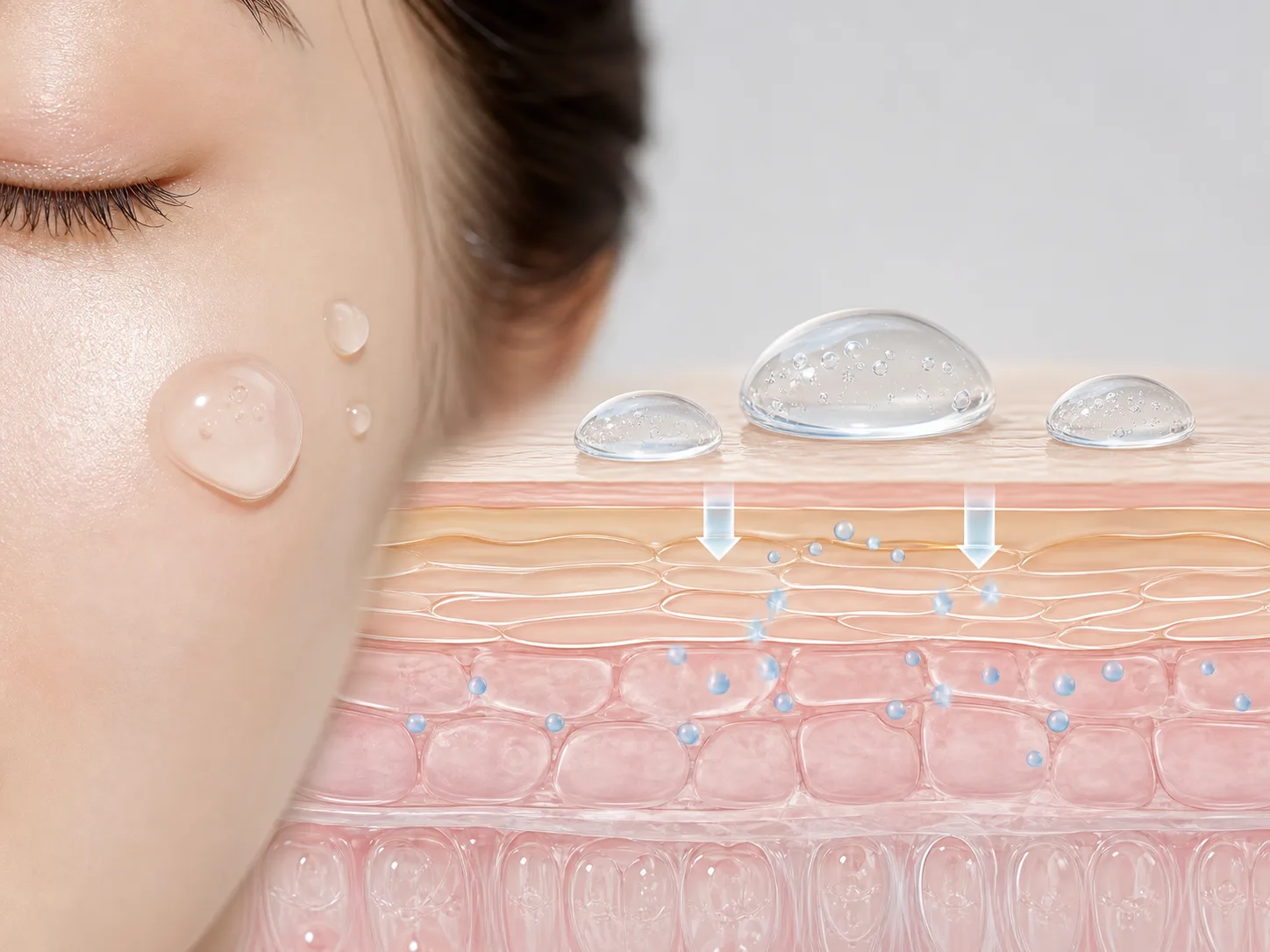
In a lotion or cream, the lasting cushion may come more from ceramides, fatty alcohols, squalane, or silicones. A product can contain hydroxyethyl urea and still feel rich, so judge the finish after application and again a few hours later.
What benefits are reasonable to expect
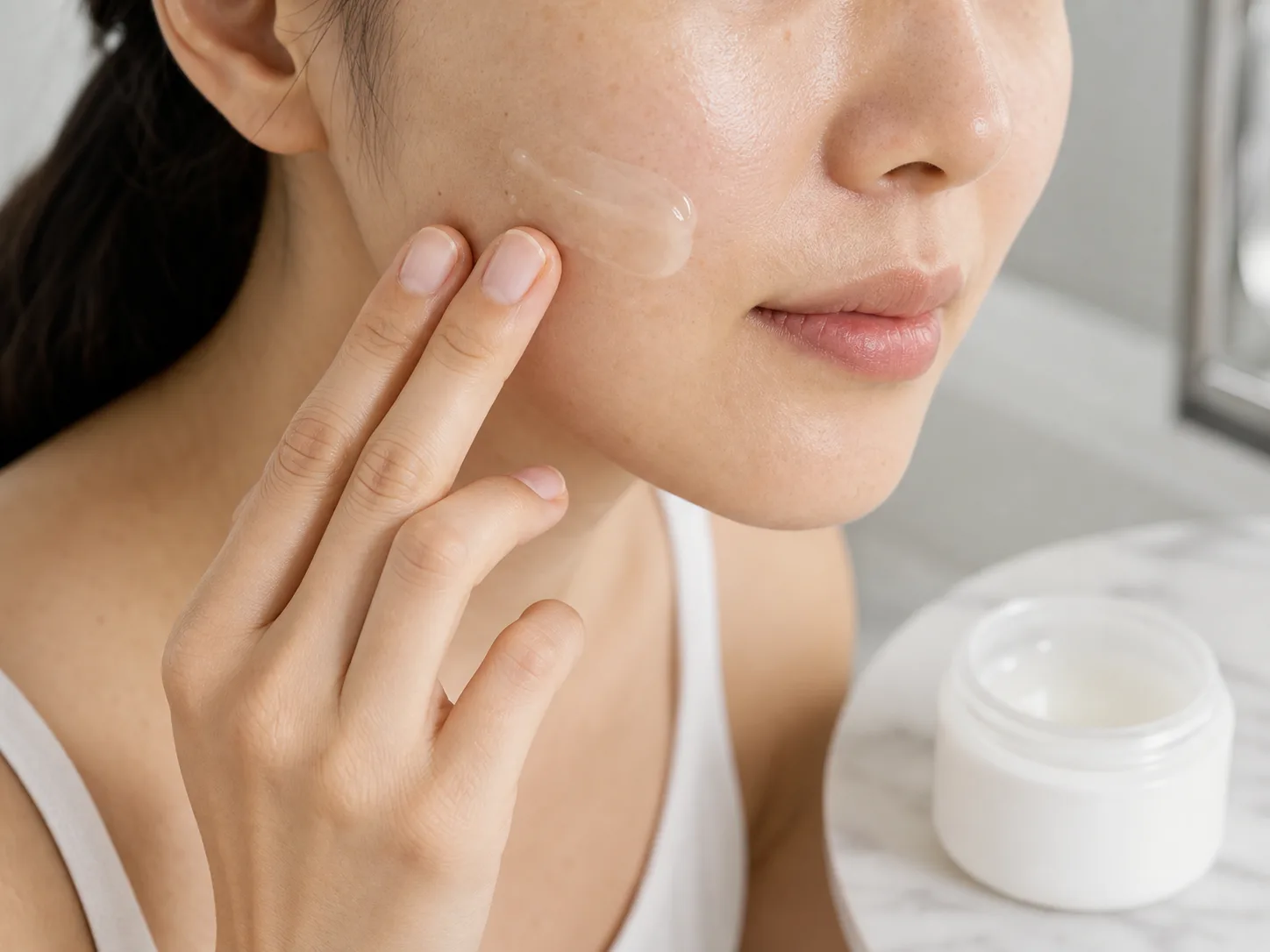
Hydration is the central benefit. It may help dry skin feel less tight and look smoother, and it can support a formula that keeps the water-feel comfortable for longer when paired with other moisturizers.
It should not be presented as a universal fix for every dry-skin problem or as a new skin barrier by itself. Concentration, the rest of the formula, cleansing habits, season, and indoor humidity all affect what the user notices.
Keep the moisture from fading by afternoon
Try a new hydrating serum or lotion on a small area near the cheek or jaw first. Starting it on the same day as acids, retinoids, and a new brightening product makes irritation harder to trace. Follow the label amount; if the skin still feels tight, adding a cream may be more useful than simply applying more serum.
The Cosmetic Ingredient Review panel assessed hydroxyethyl urea using reported cosmetic practices and formulations made to be non-irritating. That does not make every finished product suitable for every person. Repeated stinging or redness is a reason to look at fragrance, pH, preservatives, and the whole formula.
Questions that clarify Hydroxyethyl Urea
Is hydroxyethyl urea the same as urea?
No. They share a moisturizing context but are different ingredients. Check the exact INCI name.
Does hydroxyethyl urea exfoliate?
It is mainly used as a humectant in cosmetics. Do not automatically transfer the high-concentration exfoliating context of plain urea to hydroxyethyl urea.
Can it be used with hyaluronic acid?
They are often combined for a more comfortable hydration feel. If skin still feels tight, a cream over the serum can help reduce the sense that moisture disappears quickly.
Sources used
- Safety Assessment of Hydroxyethyl Urea as Used in CosmeticsPublished evidence and study scope
- CIR Safety Assessment of Hydroxyethyl UreaCosmetic use and safety assessment
- The Skin Formulary - Hydroxyethyl UreaIngredient characteristics and cosmetic use
- Seoul Sister K-Beauty Ingredient GuideIngredient characteristics and cosmetic use
- ScienceInsights Hydroxyethyl UreaIngredient characteristics and cosmetic use