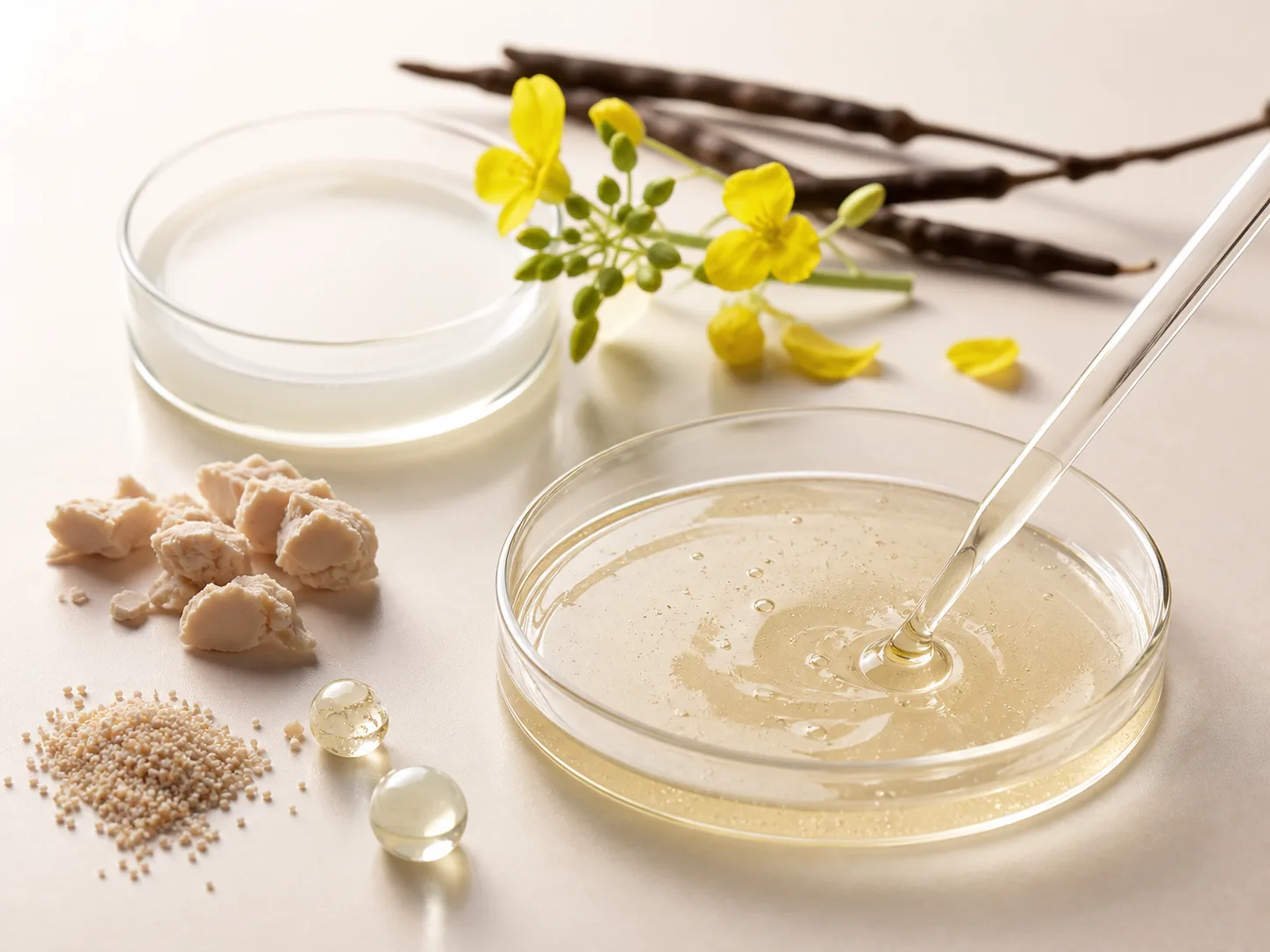
A fermented surfactant that shapes cleansing and rinse feel
The practical benefit of Candida Bombicola ferment is helping a cleanser lift oily residue while shaping foam, rinse feel, and post-wash softness. It works inside a surfactant blend rather than as a leave-on treatment active.
Candida Bombicola/Glucose/Methyl Rapeseedate Ferment is made through fermentation involving Candida bombicola, glucose, and methyl rapeseedate. Cosmetic references list it as a cleansing surfactant and skin-conditioning ingredient. In plain terms, it belongs to the system that helps water lift away oil-based residue, sunscreen, and daily grime.
What determines post-wash tightness
Seeing this ingredient on a label does not tell you that a cleanser will be either harsh or exceptionally gentle. The concentration of surfactants in the formula matters alongside pH, cleansing oils, humectants, fragrance, and the amount used. The ingredient list alone does not reveal those concentrations. A foamy cleanser can still leave skin comfortable, while a low-foam cleanser can feel drying on some people.
For dry skin, pay attention to whether tightness arrives as the water evaporates and whether you need to rush into moisturizer. For oily skin, note how well sunscreen comes off and whether the finish feels clean without a slippery film. Combination skin may do best with once-daily cleansing or different products morning and night. Those observations say more than any one surfactant name.
Where you are likely to find it
This ferment is most relevant in gel cleansers, foaming washes, and body cleansers. When it appears on an ingredient list, look at what surrounds it: mild co-surfactants can change the character of the wash, while fragrance and stronger detergents can matter more for sensitive skin. The product format and your own after-wash comfort are the deciding factors.
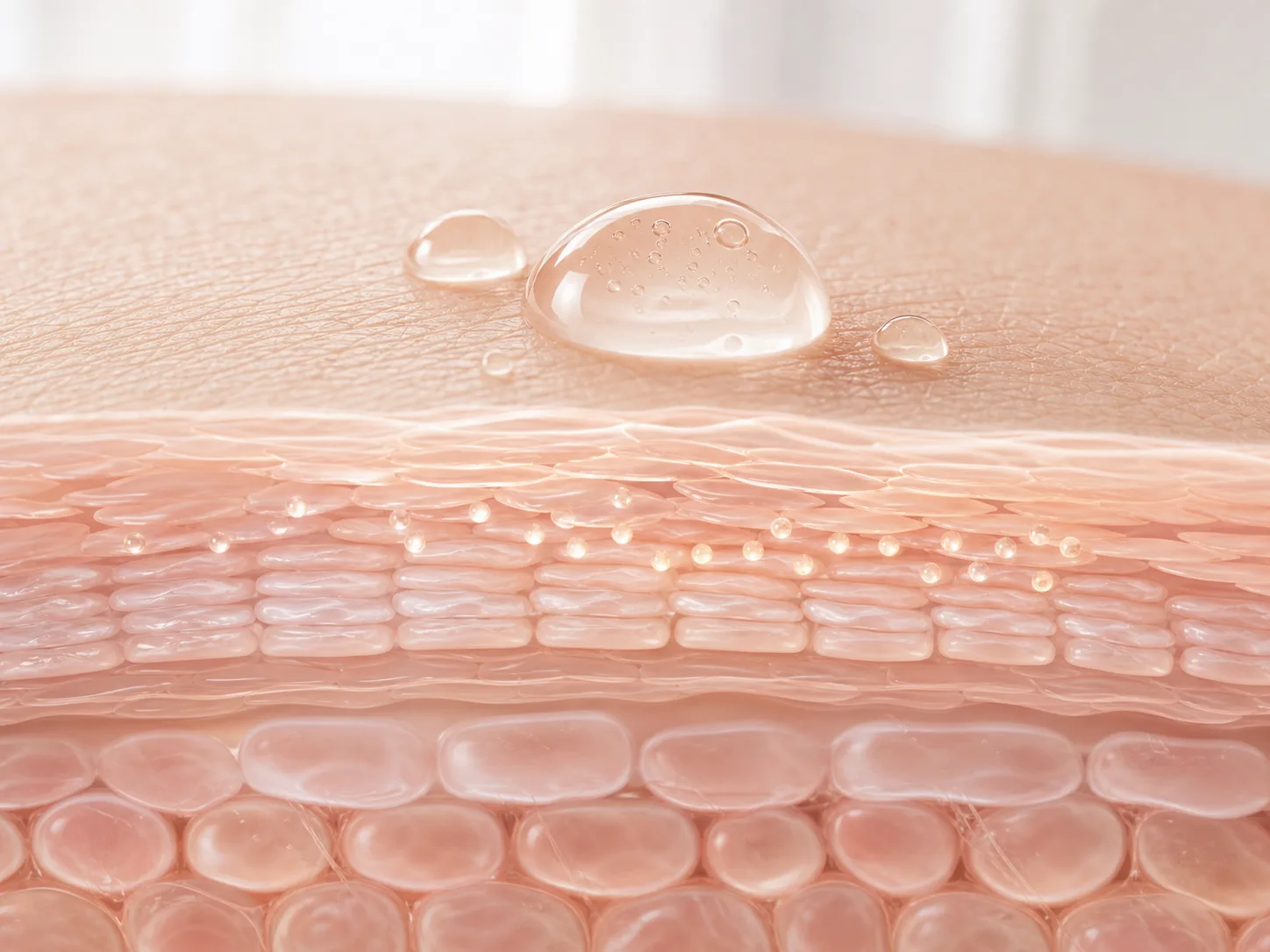
How to use a cleanser with it
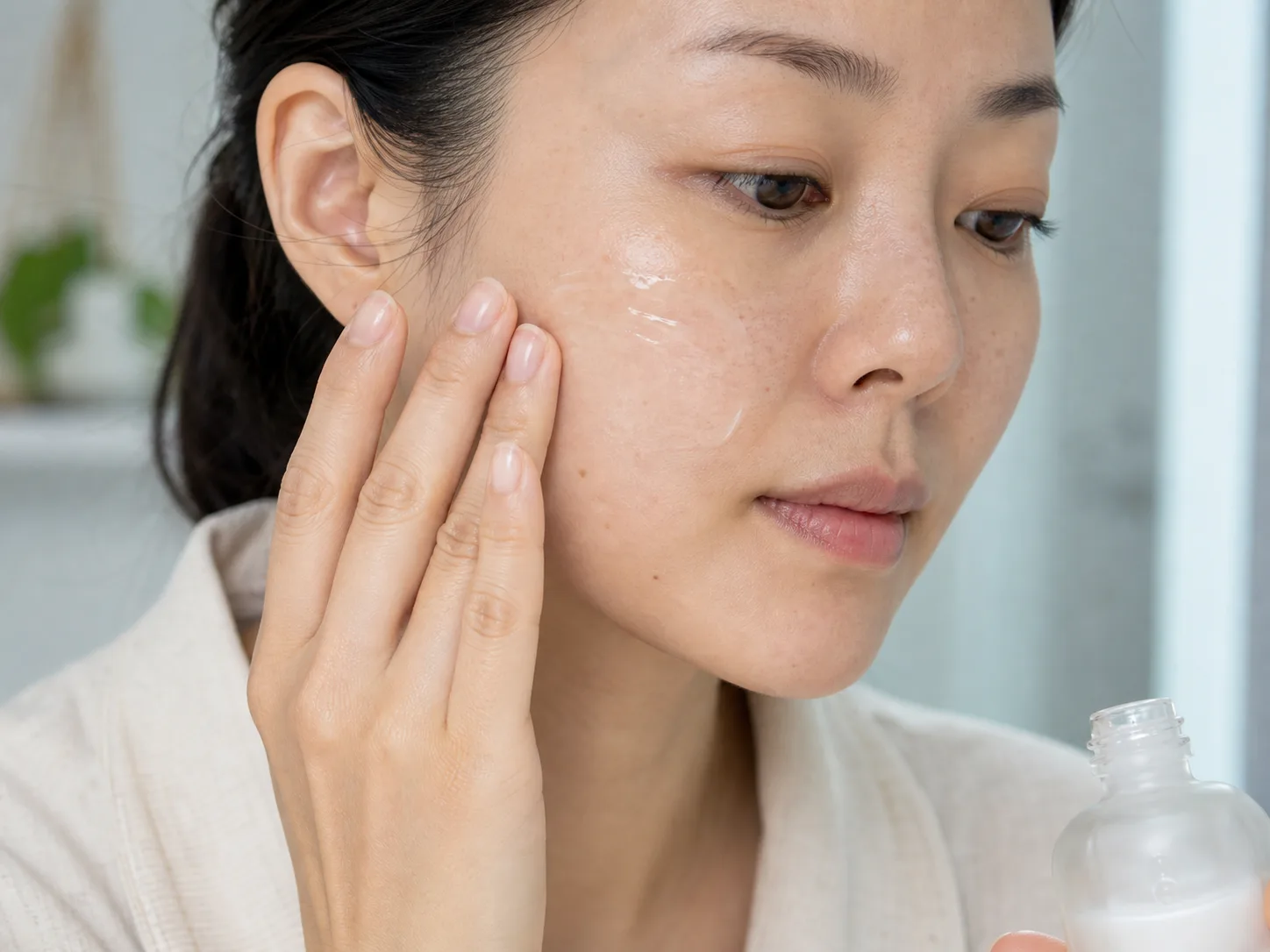
Use lukewarm water, keep contact time brief, and rinse thoroughly. On nights when you use an exfoliant or retinoid, a less aggressive wash may make the routine easier to tolerate. Persistent stinging, redness, or tightness is a sign to change the product or routine rather than to wait for a ferment ingredient to adapt your skin.
Sources used
- Korea Cosmetic Association ingredient reference
- Health Canada NHPID
- COSMILE Europe
- haut.deIngredient characteristics and cosmetic use
- PubMed research recordPublished evidence and study scope