Why niacinamide works for more than one concern
Niacinamide serum is useful when the skin does not fit neatly into a single category. The same person can have an oily forehead, tight cheeks, post-blemish marks, and redness from an overcomplicated routine. Niacinamide will not replace every targeted treatment, but it can address several background problems at once: uneven-looking pigmentation, excess surface oil, and a barrier that loses water too easily.
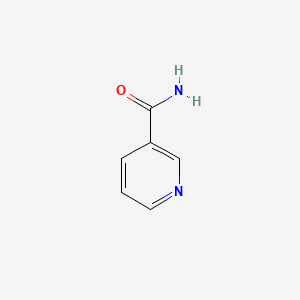
Niacinamide, also called nicotinamide, is a form of vitamin B3. In skin it contributes to cellular energy pathways and influences several processes relevant to appearance. It can reduce the transfer of pigment-containing melanosomes into surrounding skin cells, support production of barrier lipids such as ceramides, and moderate inflammatory signaling. These actions explain why a well-made serum can make the complexion look more even while helping skin feel less easily depleted.
What to expect for dark marks and uneven tone
Niacinamide is best suited to mild, scattered discoloration and the brown marks that can remain after a blemish settles. It does not bleach the skin. Instead, regular use can reduce how strongly excess pigment appears across the surface, making tone look more uniform over a period of weeks. Daily sunscreen is essential because new ultraviolet exposure continually stimulates pigment and can undo progress.
Red post-blemish marks are not exactly the same as brown pigmentation. A bright red area may reflect lingering inflammation or visible blood vessels rather than excess melanin. Niacinamide’s barrier-supporting and calming properties may make the routine more comfortable, but it should not be expected to erase every red mark through the same pigment pathway. Painful, persistent, or rapidly changing lesions deserve a different assessment.
For a brightening routine, niacinamide combines well with sunscreen and can be paired with vitamin C, azelaic acid, or tranexamic acid when the skin tolerates the formula. Add products gradually; repeated irritation can leave more discoloration.
Niacinamide can help reduce excess facial oil
Low-percentage topical niacinamide has been studied for changes in facial sebum. In practice, the result is not a permanently matte face or smaller oil glands. With regular use, midday shine may become easier to manage and pores may look less emphasized when less oil and rough texture surround them.
This makes niacinamide attractive for oily and combination skin, but the serum base matters. A 10% formula with zinc salts and a fast-drying finish may feel tight or pill under sunscreen. A 4–5% hydrating serum can provide similar practical goals while layering more smoothly. If breakouts are driven by clogged pores, niacinamide can support the routine but does not perform the same exfoliating job as salicylic acid or the same comedone-preventing job as a retinoid.
Barrier support for dry or easily irritated skin
The outer skin barrier depends on an organized mix of lipids and proteins that slow water loss. Niacinamide can support the production of components involved in that barrier. Over time, this may translate into less tightness after cleansing, better tolerance of weather changes, and a smoother surface. The serum is not an occlusive seal on its own, so dry skin still needs a moisturizer containing humectants, emollients, and barrier lipids.
Look for glycerin, panthenol, beta-glucan, ceramides, or squalane when dehydration is the main complaint. A watery niacinamide serum followed by a suitable cream is often more effective than repeatedly adding layers of the same high-strength active. Very reactive skin may prefer niacinamide built directly into a moisturizer rather than a separate concentrated step.
Is 5% enough?
For most people, 2–5% is a sensible range. Clinical and cosmetic research has reported useful changes in pigmentation, texture, barrier function, and sebum at these concentrations. Ten percent is widely sold, but doubling the percentage does not prove that visible results will double. Higher strength can also increase stinging, redness, or dry patches in susceptible skin.
Choose 10% only if you already tolerate niacinamide well, prefer the particular formula, and have a reason to increase. Do not treat tingling as evidence of superior performance. If a 5% serum layers well and is used every day, it is likely to be more valuable than a 10% bottle used sporadically because it feels unpleasant.
Ingredient-list position cannot reveal an exact percentage unless the brand discloses it. It can still provide context: a serum marketed around niacinamide should list it reasonably high, while a moisturizer can deliver supportive benefits with a lower level as part of a broader formula.
How to add it to a routine
Apply niacinamide after cleansing and before moisturizer. It can be used morning or night, and many people tolerate it once or twice daily. When starting, use it once a day or every other day for the first week. Two or three drops are enough for the face. Applying a thick coat increases residue and pilling more reliably than it increases benefit.
Niacinamide generally layers with vitamin C, retinol, and exfoliating acids. The practical question is whether the complete routine is comfortable. If a low-pH vitamin C serum and a high-strength niacinamide serum both sting, use them at different times. If retinol nights are already dry, place niacinamide in the morning routine or choose a moisturizer that contains it rather than adding another serum layer.
A sudden field of itchy bumps or burning is not a necessary purge. Niacinamide does not accelerate turnover in the classic way associated with retinoids and exfoliating acids. Stop the new product, let the skin settle, and consider whether the percentage or another formula ingredient is responsible.
Sources used
- COSMILE Europe: NiacinamideINCI identity and cosmetic ingredient function
- PubChem: Nicotinamide (Niacinamide)Chemical identity of niacinamide and distinction from niacin
- Mechanistic Basis and Clinical Evidence for NicotinamideIntegrated evidence for pigmentation, barrier, and aging endpoints
- Niacinamide and melanosome transferPigmentation trials using 2% and 5% formulas and the melanosome-transfer mechanism
- The effect of 2% niacinamide on facial sebum productionSebum endpoints with a 2% moisturizer and population-specific differences
- Niacinamide improves aging facial skin appearanceFine-line, pigmentation, and elasticity outcomes after 12 weeks with a 5% formula
- Nicotinamide and epidermal barrier lipidsCeramide and fatty-acid synthesis plus transepidermal water-loss findings
- Cosmetic Ingredient Review: Niacinamide and NiacinIrritation and sensitization safety assessment at cosmetic-use concentrations
- DermNet: NicotinamideDermatology guidance on topical 2% and 5% formulations, sebum, pigmentation, skin texture, and skin lipid synthesis.