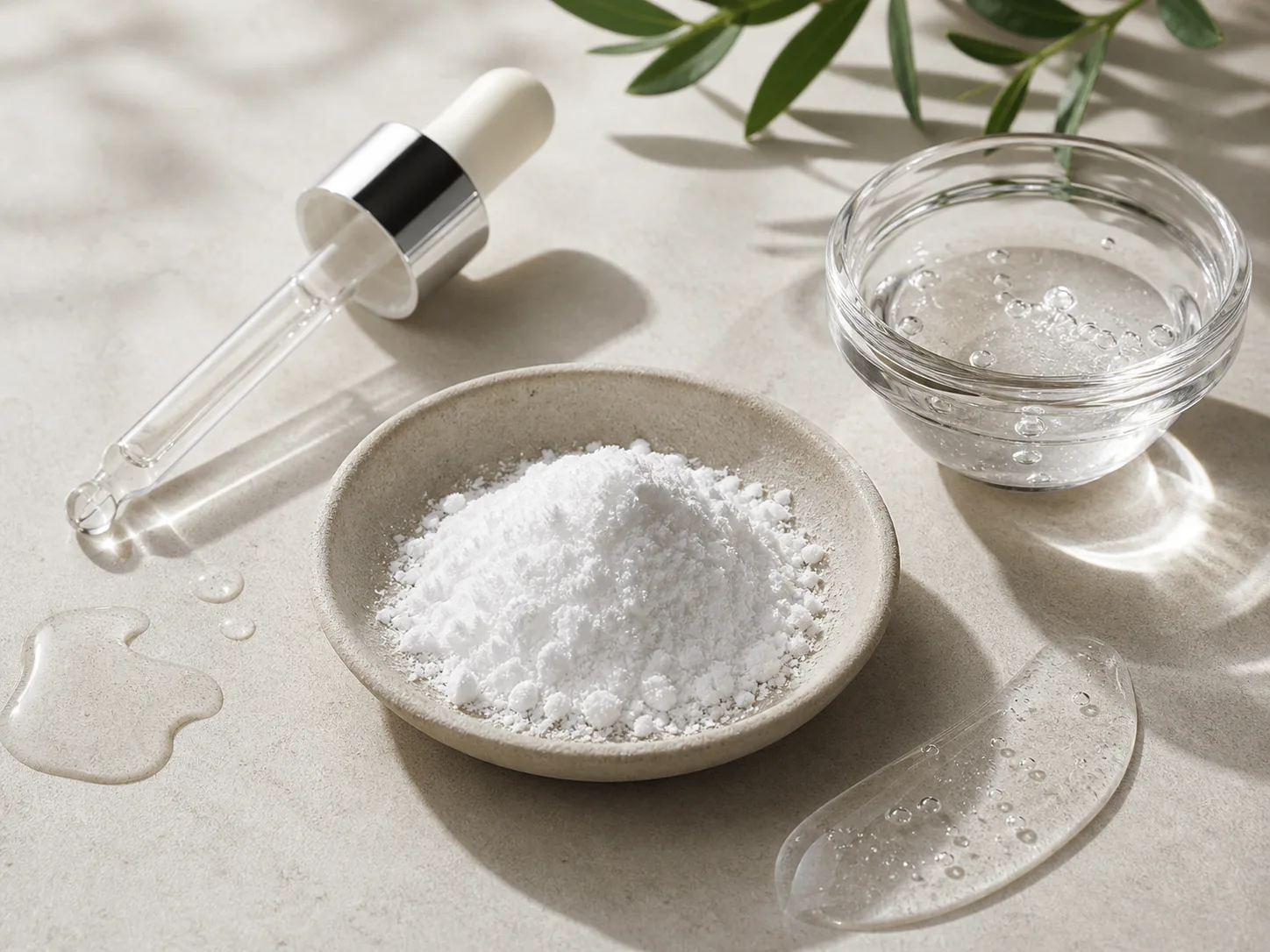
Niacinamide can help with uneven tone, oiliness, and dryness
Niacinamide appears in products for dark spots, oily skin, enlarged-looking pores, redness, and barrier repair. That versatility is real, but it can encourage people to buy the strongest serum and expect every concern to change at once. A better starting point is to choose one main goal and build a simple routine around it.
For uneven tone, niacinamide appears to reduce the transfer of pigment-containing melanosomes into surrounding epidermal cells. It does not bleach existing pigment, but regular use can make blotchy tone and lingering marks look more even. Sun protection remains essential because new UV exposure can outpace any gradual improvement from a brightening serum.
For oily skin, studies using 2% niacinamide have reported reductions in measures of facial sebum. That does not mean it shuts down oil glands or permanently shrinks pores. It may help reduce excessive shine and make the surface look more balanced. Niacinamide also supports processes involved in epidermal lipids, which makes it useful for skin that feels dehydrated even while it becomes oily during the day.
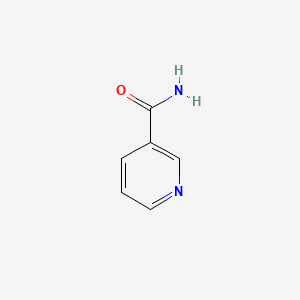
What concentration should you use?
A product in the 2% to 5% range is a practical first choice. Many clinical studies that looked at pigmentation, texture, and signs of aging used finished formulas around 4% or 5%. Ten- and fifteen-percent serums are widely sold, but more ingredient does not guarantee proportionally better results. If a high-strength formula leaves you red, tight, or unable to use it consistently, the lower-strength moisturizer is the more effective product for you.
Do not dismiss a moisturizer simply because it does not state a percentage. Niacinamide is water soluble and works well in toners, serums, lotions, and creams. If your goals are hydration and a more even-looking tone, one well-formulated moisturizer may be more useful than adding another sticky serum to an already crowded routine.
Apply niacinamide before moisturizer
Apply products from thinner to thicker. After cleansing, use a niacinamide toner or serum, follow with moisturizer, and finish the morning routine with broad-spectrum sunscreen. At night, apply the serum before cream. Start once daily; if your skin remains comfortable, you can use it morning and night. Using it twice daily does not mean results will appear twice as fast.
The claim that niacinamide and vitamin C can never be used together comes largely from concerns that do not reflect normal use of modern finished cosmetics. They can share a routine. If the combination stings or the layers pill, use vitamin C in the morning and niacinamide at night. That is a comfort decision, not evidence that the ingredients neutralize one another on your face.
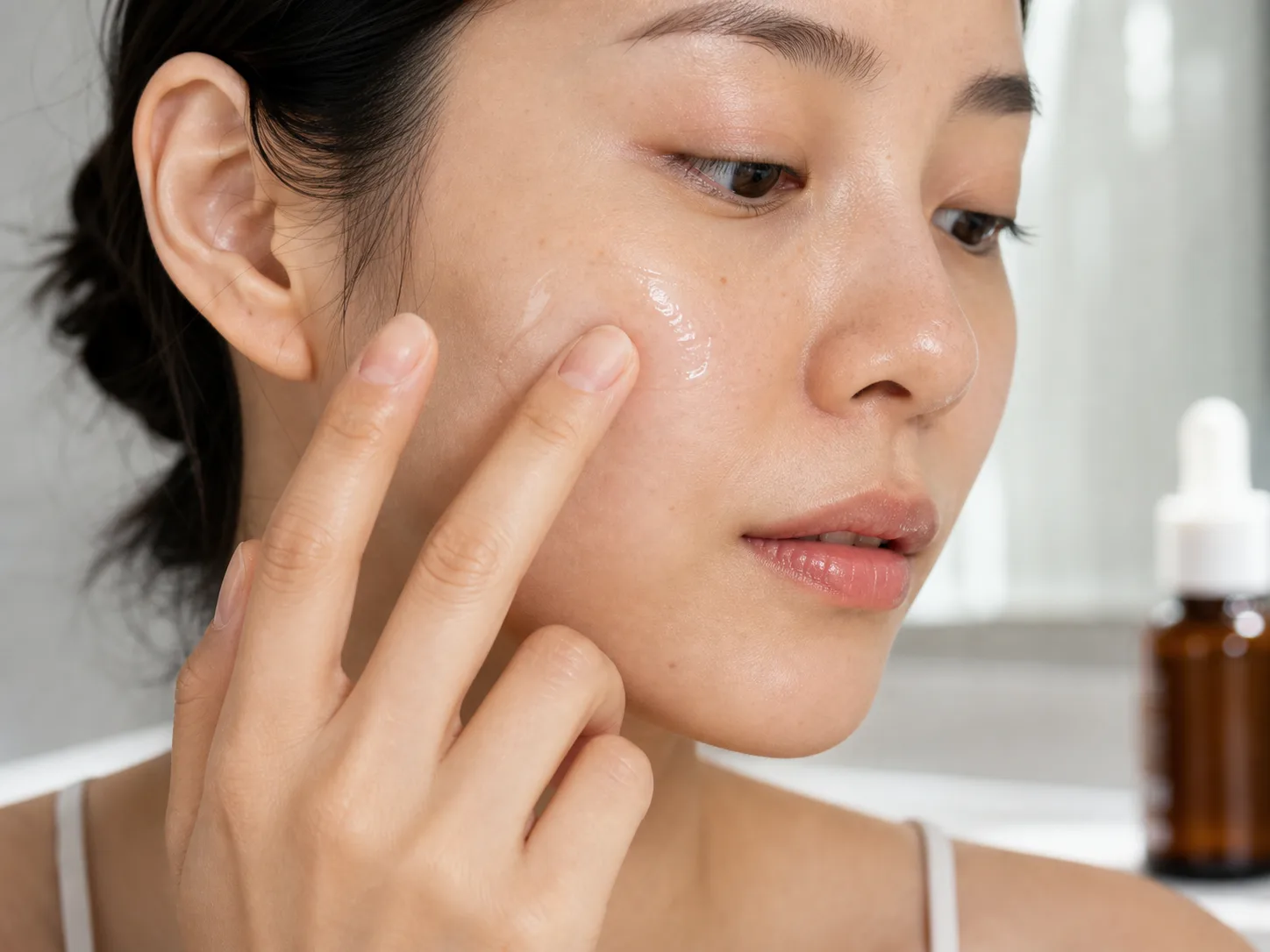
Niacinamide also pairs well with retinol. A niacinamide moisturizer may make a retinol routine feel less drying. Introduce one new active at a time so that you can identify the cause if irritation develops. AHA and BHA products are not chemically forbidden either, but alternating nights is sensible when layering creates burning or persistent redness.
How long results take
Hydration and surface shine can change relatively quickly. Uneven pigmentation requires more patience. Use the product consistently for roughly eight to twelve weeks, compare your skin in similar lighting, and consider whether sunscreen use stayed consistent. A serum that promises to erase a dark mark in a few days is setting the wrong expectation.
Stop if each application produces lasting heat, itching, patches of redness, or a crop of small bumps. Niacinamide is usually well tolerated, but a high concentration or another part of the formula can still irritate. Once skin settles, try a lower-strength lotion and avoid introducing it on the same night as another new active.
Sources used
- COSMILE Europe: NiacinamideINCI identity and cosmetic ingredient function
- PubChem: Nicotinamide (Niacinamide)Chemical identity of niacinamide and distinction from niacin
- Mechanistic Basis and Clinical Evidence for NicotinamideIntegrated evidence for pigmentation, barrier, and aging endpoints
- Niacinamide and melanosome transferPigmentation trials using 2% and 5% formulas and the melanosome-transfer mechanism
- The effect of 2% niacinamide on facial sebum productionSebum endpoints with a 2% moisturizer and population-specific differences
- Niacinamide improves aging facial skin appearanceFine-line, pigmentation, and elasticity outcomes after 12 weeks with a 5% formula
- Nicotinamide and epidermal barrier lipidsCeramide and fatty-acid synthesis plus transepidermal water-loss findings
- Cosmetic Ingredient Review: Niacinamide and NiacinIrritation and sensitization safety assessment at cosmetic-use concentrations
- DermNet: NicotinamideDermatology guidance on topical 2% and 5% formulations, sebum, pigmentation, skin texture, and skin lipid synthesis.