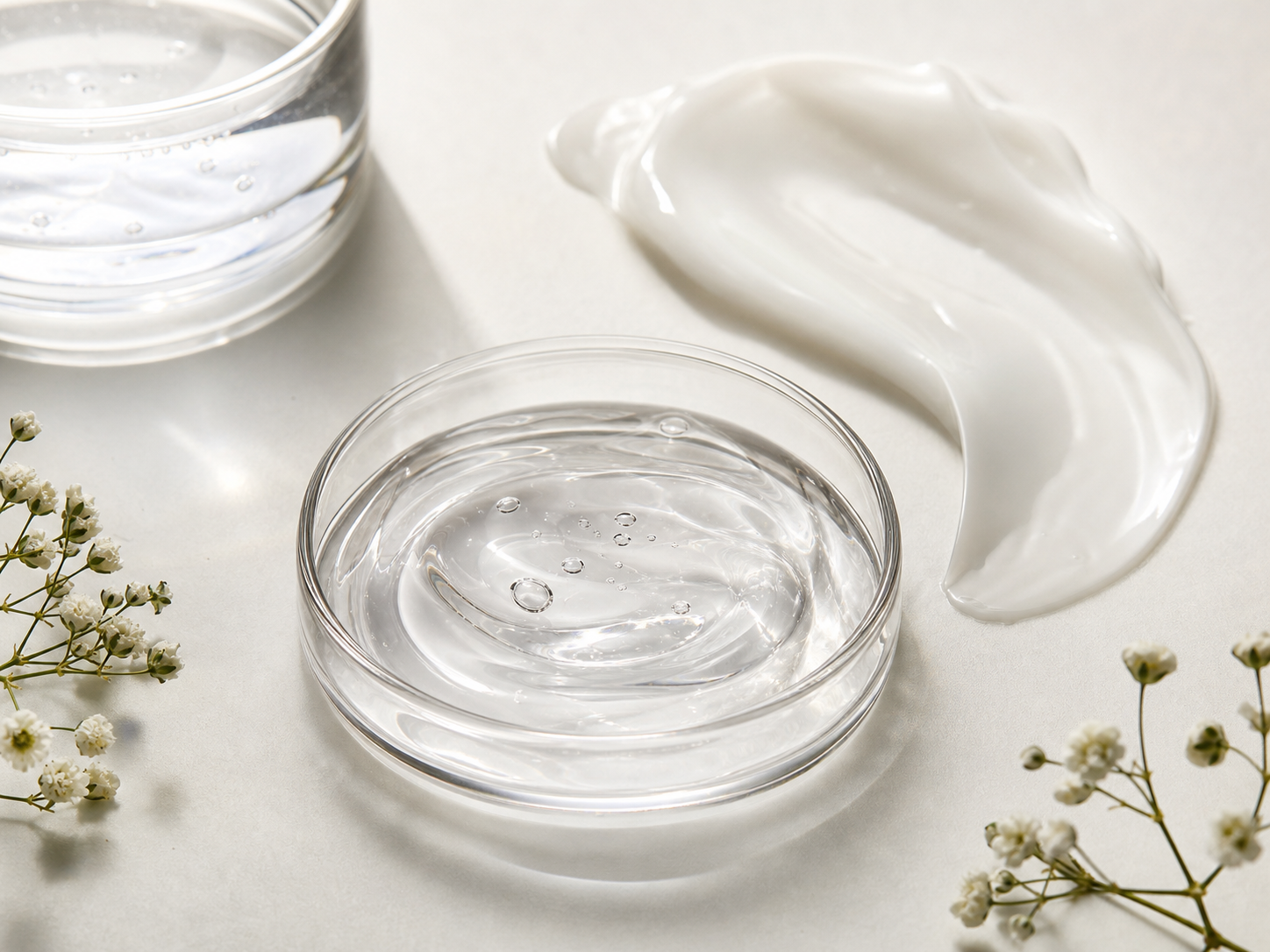
What a panthenol cream actually does
Panthenol cream is useful when skin feels tight after cleansing, rough around the mouth, or unusually sensitive after a retinoid or exfoliating routine. Panthenol attracts and holds water, softens the outer skin layer, and supports the conditions in which the barrier can function normally. In a well-made cream, that translates into less tightness, smoother flakes, and skin that remains comfortable for longer instead of feeling moist for only a few minutes.
You will often see these products called recovery or repair creams. A cosmetic panthenol cream does not heal an injury or treat eczema. Its practical strength is more everyday: it cushions dry skin, reduces the uncomfortable feel that accompanies a compromised moisture barrier, and gives you a simple moisturizer to use while you scale back irritating products.
Panthenol is pro-vitamin B5
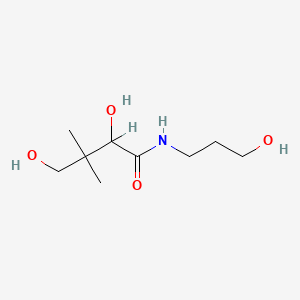
Panthenol is the alcohol analogue of pantothenic acid, or vitamin B5. Some of the D form can be converted to pantothenic acid in skin. Pantothenic acid is part of coenzyme A, which participates in normal cellular metabolism. In a moisturizer, however, the most relevant effects are panthenol’s humectant and skin-conditioning properties.
Its molecular formula is C9H19NO4. The molecule is relatively small and contains several hydroxyl groups that interact readily with water. This helps explain why panthenol fits easily into water-based formulas and can add hydration without requiring the heavy oil load of a traditional balm.
Hydration, comfort, and a smoother surface
When the stratum corneum loses water, it becomes stiff and uneven. Fine flakes catch the light, makeup separates, and ordinary products may sting. Topical dexpanthenol has been studied for improving stratum-corneum hydration and supporting barrier function. In a cosmetic cream, the realistic result is softer texture, reduced tightness, and a calmer feel rather than dramatic resurfacing.
Panthenol is also used in formulas for sensitive-feeling or visibly stressed skin. It may help reduce the discomfort associated with routine dryness and minor irritation. Persistent redness, swelling, intense itching, or cracked skin needs a diagnosis rather than another cosmetic layer.
Does a higher percentage work better?
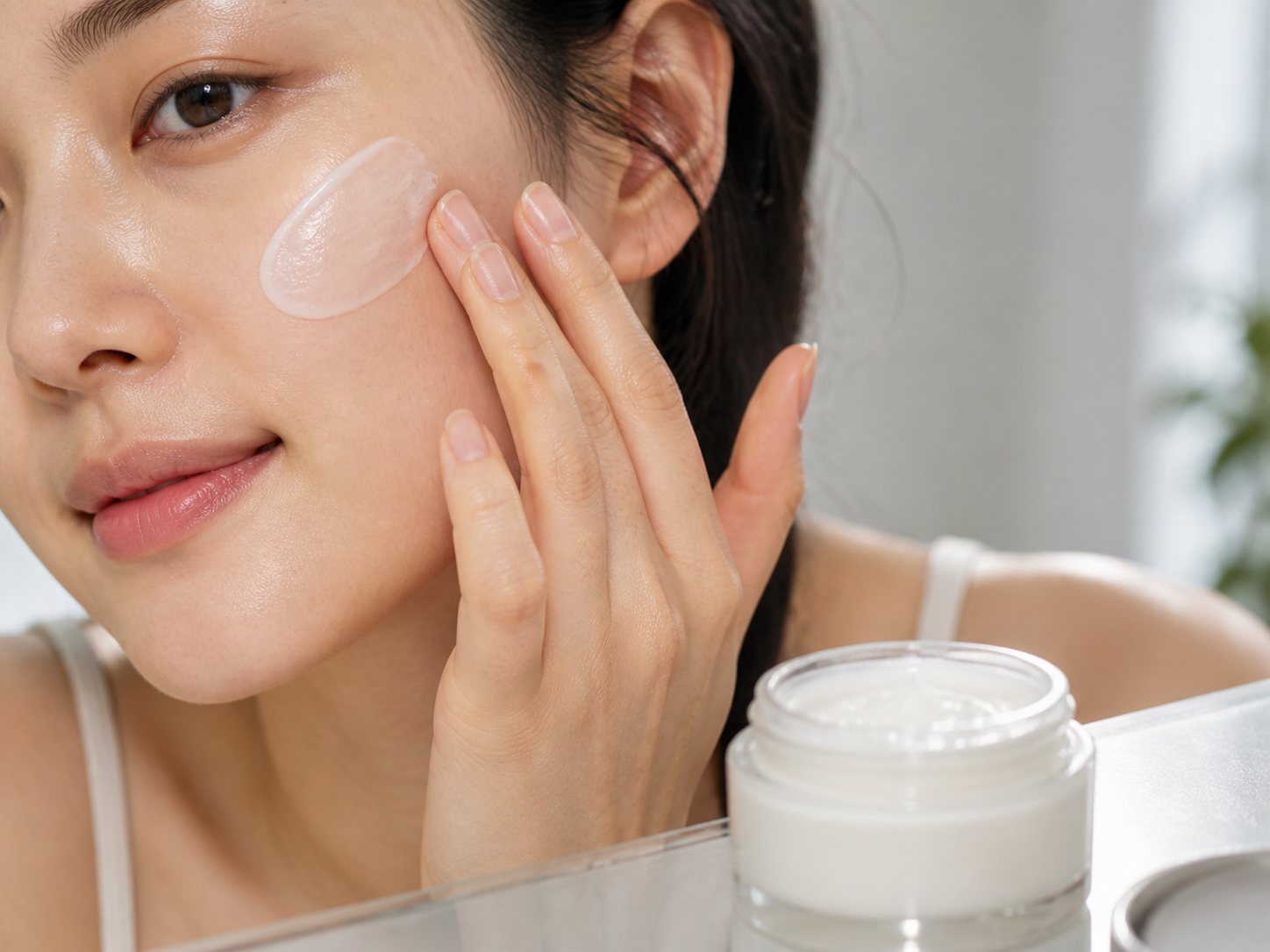
Products advertise 5, 10, or even higher percentages of panthenol, but the largest number is not automatically the best moisturizer. More panthenol can produce a richer, slightly tacky finish. That may feel excellent on dry cheeks and chapped areas but unpleasant under sunscreen on oily skin. Formula design and the ingredients surrounding panthenol matter as much as the headline percentage.
Glycerin, betaine, hyaluronic acid, and beta-glucan broaden the water-binding side of a formula. Ceramides, cholesterol, squalane, fatty acids, and dimethicone slow water loss. Allantoin or madecassoside may add another layer of soothing skin conditioning. A balanced combination often feels better and lasts longer than a very high panthenol solution with little emollience.
Choose the cream by finish
For dry skin, look for an opaque cream or balm that pairs panthenol with ceramides, squalane, shea butter, or other emollients. The useful test is whether your cheeks and mouth area still feel comfortable the next morning. For a very dry patch, a thin layer of petrolatum over the cream can add occlusion.
Oily or combination skin often does better with a lotion or gel cream. Apply one thin layer across the face and add a second only to dry zones. Panthenol itself is not automatically pore-clogging, but a rich base can feel congesting to some people. If breakouts appear, consider the whole formula and the amount used instead of assuming vitamin B5 is always the cause.
Fragrance-free does not guarantee zero irritation, but avoiding strong fragrance and essential oils is sensible when the reason you are buying the cream is that skin already feels reactive. Patch-test a new formula along the jaw before using it after an aggressive treatment night.
Using it with retinoids and acids
Panthenol has no routine conflict with retinoids, vitamin C, AHAs, or BHA. Apply the active to dry skin and follow with panthenol cream. If retinoid irritation is a recurring problem, use a thin layer of cream first, apply the retinoid, then add a little more cream to the driest areas.
Moisturizer should not be used as permission to push through burning and peeling. Reduce the frequency of the active and simplify the routine when irritation persists. During that break, a gentle cleanser, panthenol cream, and daytime sunscreen may be all you need.
Judge the cream by quieter changes: cleansing feels less tight, flakes stop catching on foundation, and your skin remains comfortable through the day. Those results are more meaningful than a glossy finish immediately after application.