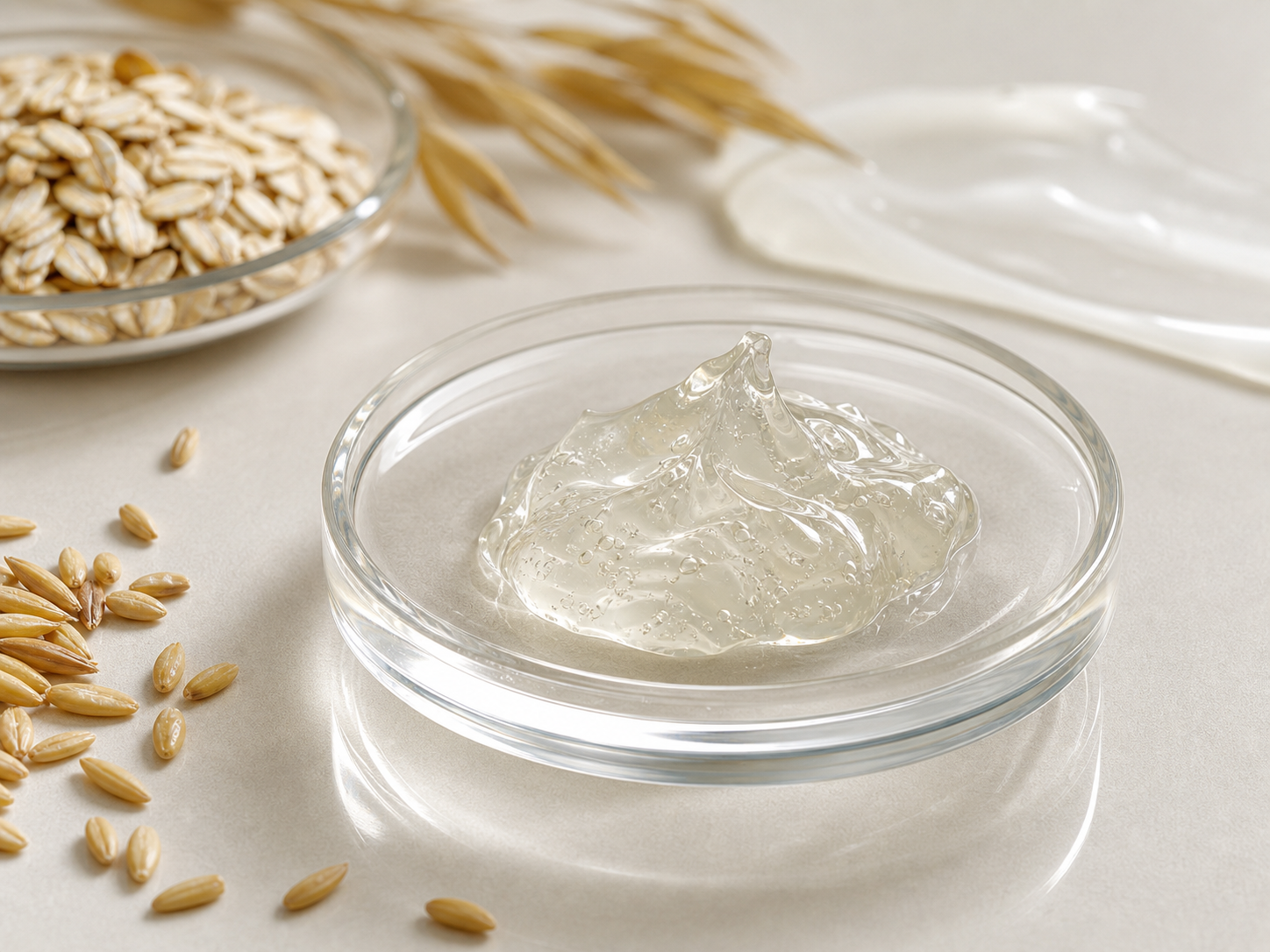
Start here
Beta-Glucan is easiest to understand by separating the ingredient role from the finished cosmetic formula. Ingredient class, structure, and formula position all shape how it behaves.
Beta-Glucan should be read through what it does inside the finished cosmetic formula: how skin looks, how it feels, and how the product fits a routine.
People searching for Beta-Glucan cream usually need more than a definition of Beta-Glucan. They are trying to understand which skin concern and product format make the ingredient meaningful, so ingredient identity, product format, supporting ingredients, and irritation or heaviness cues need to be separated.
Beta-Glucan should be described after checking both structure data and cosmetic-function sources. It is better to start with verifiable ingredient identity, formula type, and supporting ingredients than with weakly sourced claims.
Cosmetic source profiles place Beta-Glucan in the context of hydration, soothing feel, barrier, comfort. Those are formula-level discussion points rather than guaranteed outcomes from the ingredient name alone.
What to expect
Beta-Glucan should be read through what it does inside the finished cosmetic formula: how skin looks, how it feels, and how the product fits a routine.
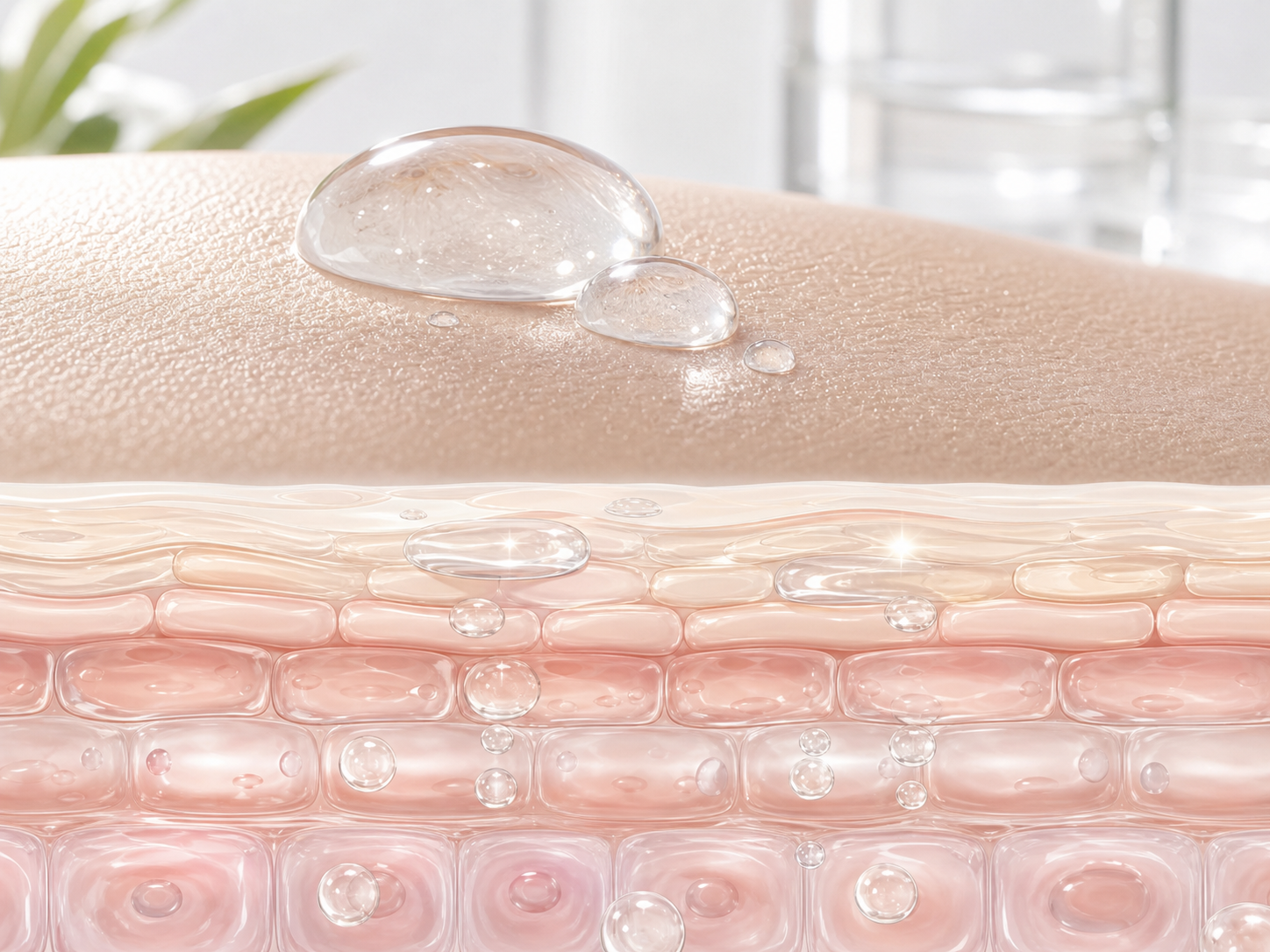
Split the benefit story into immediate feel, comfort a few hours later, how the skin surface looks, and whether the product fits the routine well enough to keep using. That gives the reader more value without turning the copy into a guaranteed-result claim.
Format changes the experience. The same highlighted ingredient can feel fresh in a toner, more adhesive in a serum, and longer-lasting in a cream, so ingredient role and product format should be read together.
How to use it
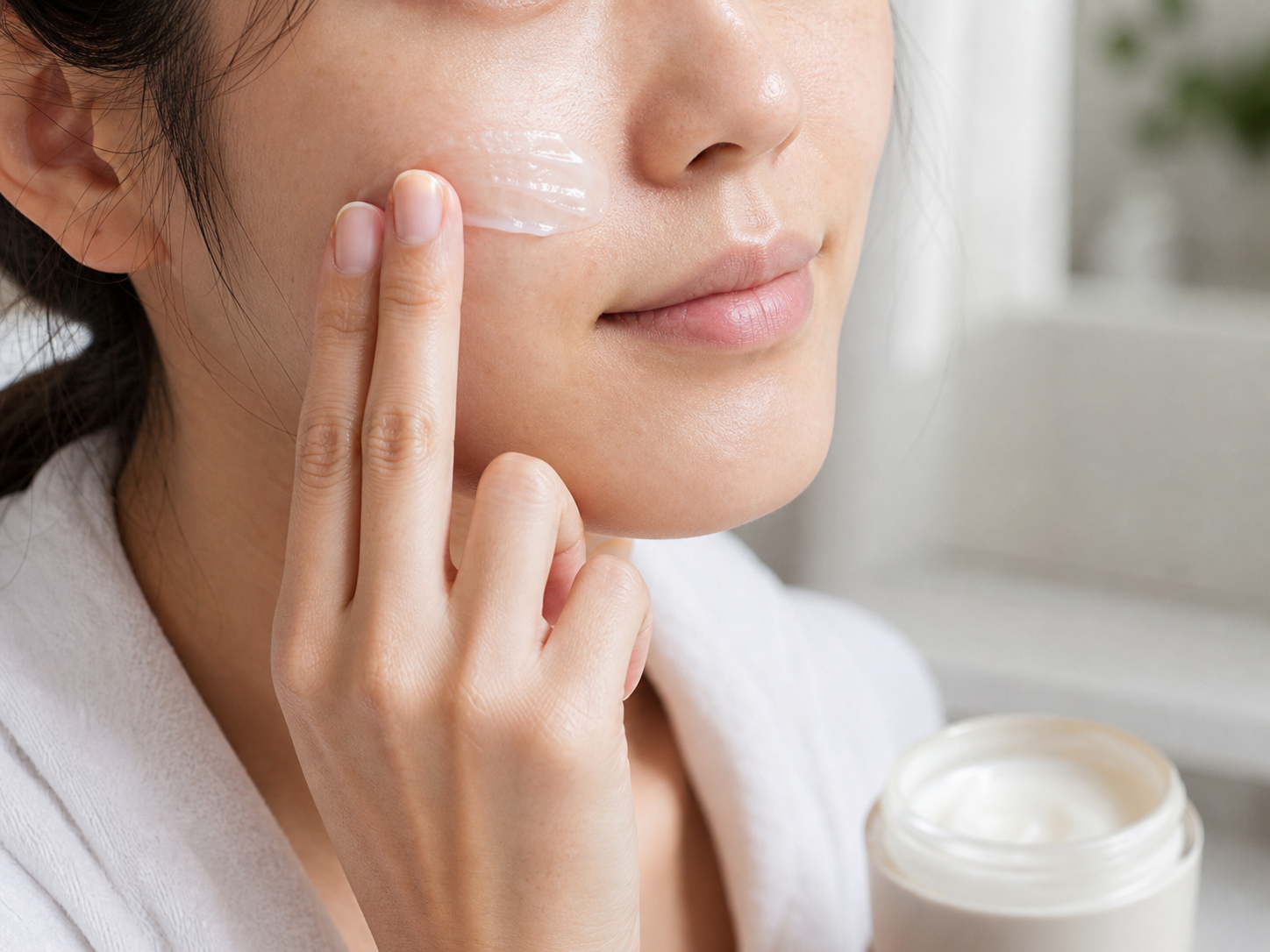
Add a Beta-Glucan product one step at a time. In the morning, check sunscreen compatibility. At night, watch for tightness, warmth, or repeated stinging.
Changing several products at once makes it harder to tell what is working.
Cautions
If a Beta-Glucan product repeatedly feels uncomfortable, adjust amount, frequency, or overlapping active ingredients first. The same highlighted ingredient can feel very different in a fragrance-heavy product versus a simpler formula.
Source checklist
For ingredient identity, start with current INCI naming and the product’s full ingredient list. Extracts, polymers, peptides, vesicles, and filtrates should not be reduced to one convenient molecule unless the product names a specific compound.
When comparing products, check concentration disclosure when available, formula position, supporting moisturizers, fragrance, essential oils, and the other active ingredients already in your routine.