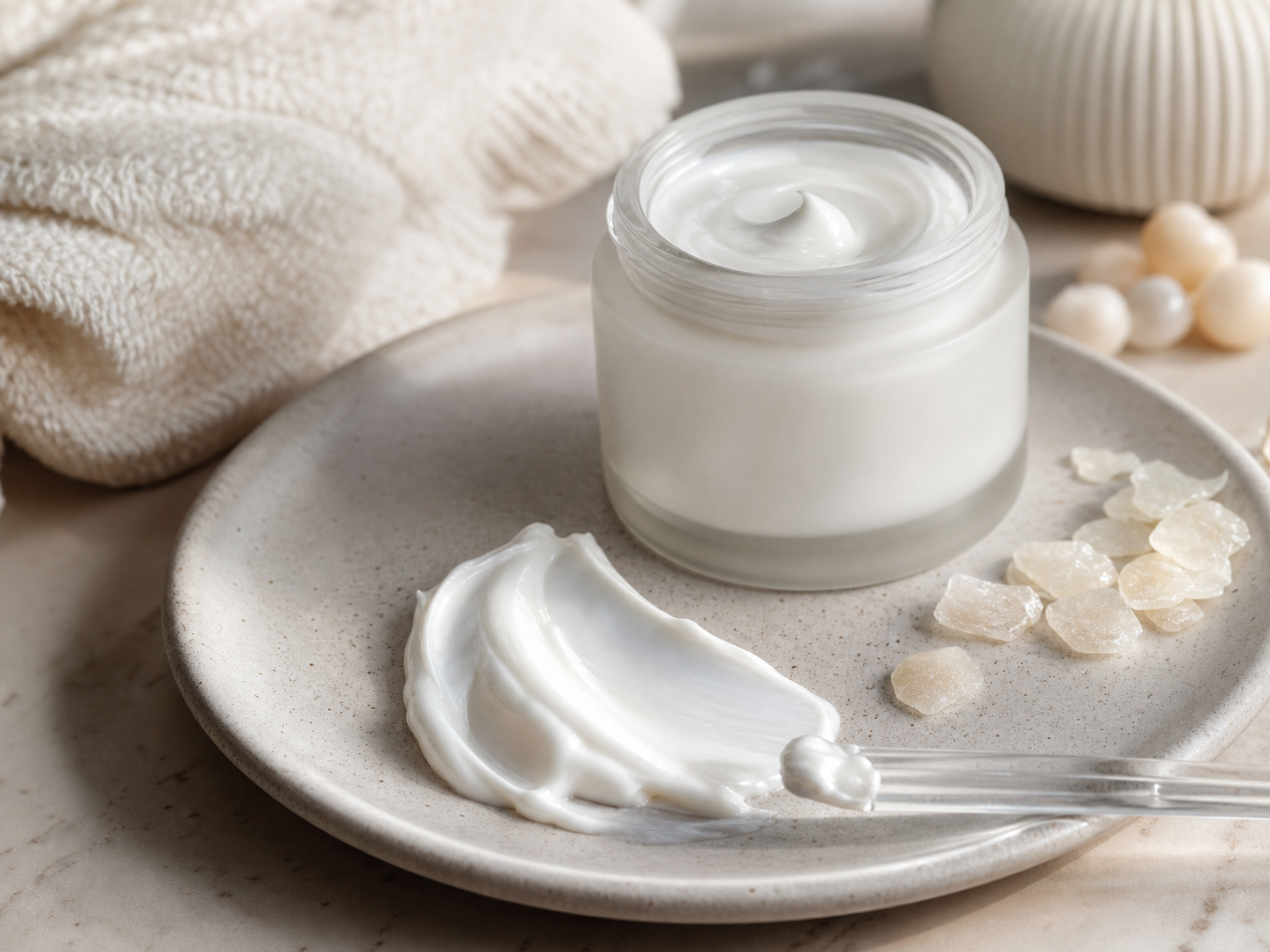
The job of a ceramide cream
Ceramide cream is made for the kind of dryness that returns quickly after a watery serum. It does more than make the face feel wet for a few minutes: the cream deposits water-binding ingredients, emollients, and lipids, then leaves a film that slows evaporation. With regular use, tight cheeks can stay comfortable longer, flaky patches become more flexible, and makeup is less likely to catch on dry edges.
Fine lines caused mainly by dehydration may also look softer when the outer skin is well moisturized. This is a surface-smoothing effect, not the permanent removal of wrinkles. The practical goal is skin that bends, smiles, and moves without feeling papery by midday.
Why ceramides belong in barrier moisturizers
The outermost skin is often compared with bricks and mortar. Flattened corneocytes are the bricks; ceramides, cholesterol, and free fatty acids form much of the lipid mortar between them. These lipids organize into layers that reduce water loss and help limit the entry of irritants. Ceramide NP is one skin-compatible cosmetic ceramide made from a phytosphingosine base and a fatty acid.
Dry air, frequent cleansing, age, and repeated use of retinoids or exfoliants can disturb this surface arrangement. A ceramide cream adds lipids and a protective emulsion at the point where dryness is felt. In everyday skincare, this combination helps reduce tightness, soften rough texture, and keep the outer layer comfortable for longer.
A complete formula is more useful than a ceramide count
Five or seven ceramide types on a label can sound impressive. The finished formula still has to disperse those waxy lipids, spread them evenly, and pair them with enough water and occlusion. Ceramide NP, AP, and EOP may appear with phytosphingosine or sphingolipids. Cholesterol and free fatty acids are especially relevant companions because the natural barrier also uses all three lipid families.
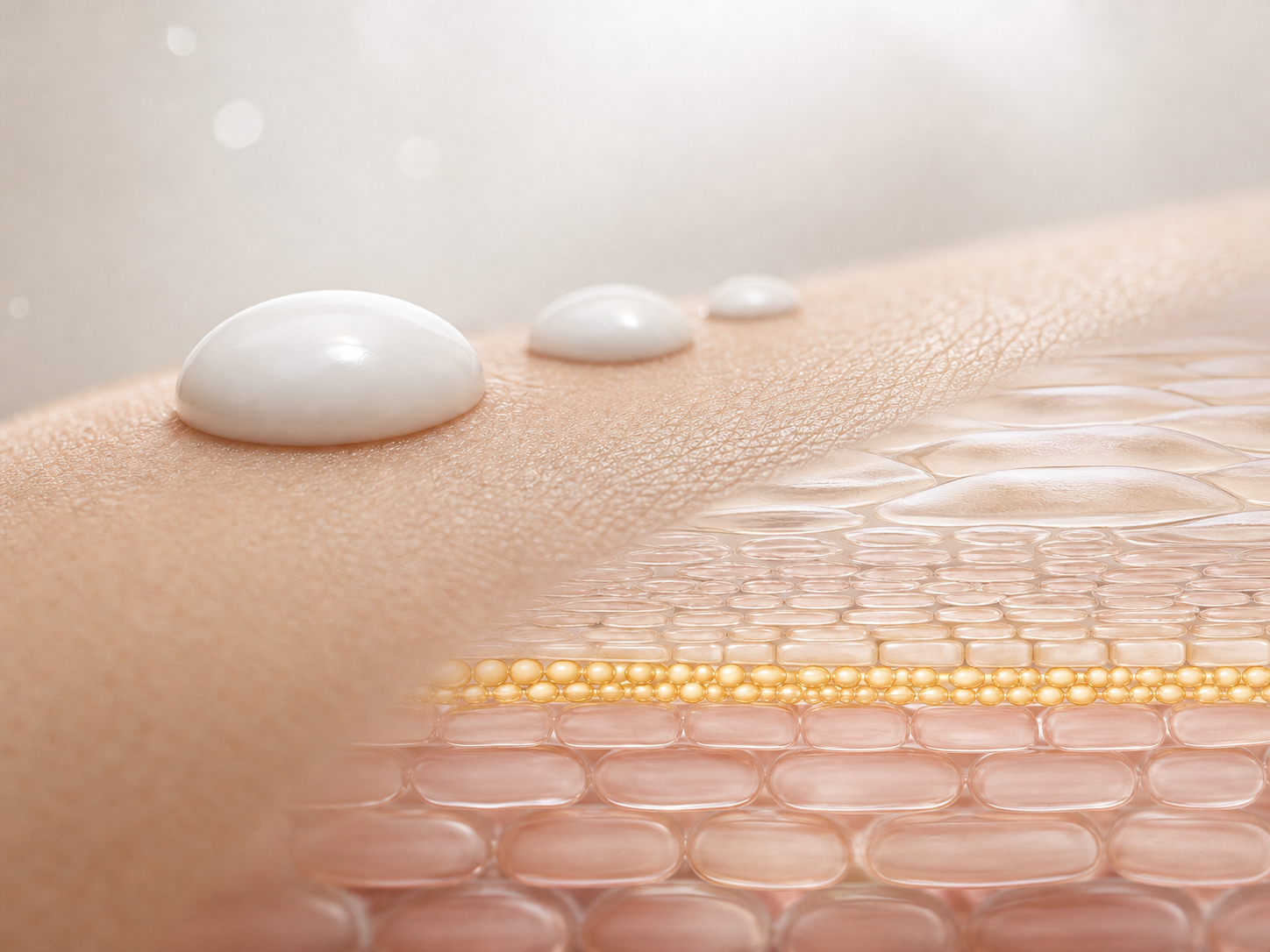
Humectants such as glycerin, panthenol, betaine, urea, and hyaluronic acid draw water into the outer skin. Emollients and occlusives such as squalane, dimethicone, petrolatum, shea butter, fatty alcohols, and plant oils soften the surface and slow water loss. The best blend depends on how dry and how oil-prone your skin is. A product can contain ceramide and still be too light for winter dryness or too rich for a humid, acne-prone forehead.
Marketing may highlight lamellar emulsions, liposomes, or capsules. These systems aim to disperse lipids and sometimes arrange the cream in layers that resemble skin lipid organization. The terminology alone does not prove performance. A cream that remains stable in the jar, spreads without grains, and leaves skin comfortable for hours provides more useful evidence in daily life.
Choose texture by skin behavior
Very dry skin usually benefits from a dense cream or balm that holds its shape when scooped. Look for ceramides alongside cholesterol and fatty acids, plus a meaningful occlusive such as dimethicone, shea butter, or petrolatum. Apply enough that dry areas lose their tight feeling, but a thick visible coating is not always necessary.
Combination or oily skin can use a lotion-cream or gel-cream emulsion. Apply one thin layer over the face and a second layer only on dry cheeks or around the mouth. Ceramides themselves are not automatically pore-clogging, but a rich base full of heavy oils and waxes may feel congesting to an individual user. Texture and total formula matter more than the barrier label.
Sensitive-feeling skin should prioritize low fragrance and a relatively simple formula. A long list of botanical extracts does not make a cream gentler. If the barrier is irritated, fragrance, essential oils, or a strong preservative sensation can sting even when ceramides are present.
How and when to apply it
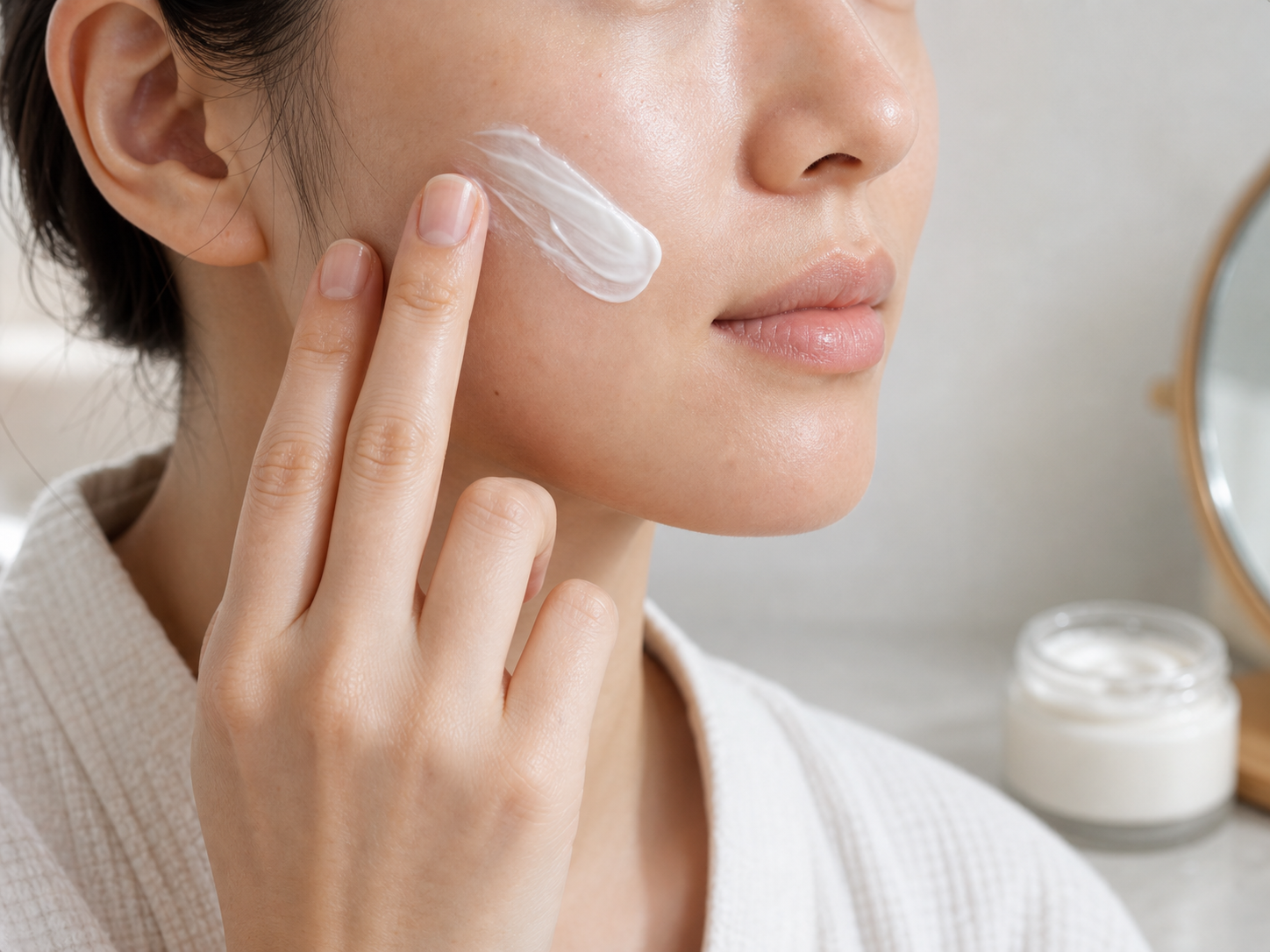
Apply ceramide cream after cleansing and any watery serum, ideally while the skin is still slightly damp. Use a pea-sized amount for the whole face, then add a small second layer to flaky zones. In the morning, let it settle before sunscreen. If sunscreen pills, reduce the cream amount or wait longer instead of rubbing both layers together.
At night, ceramide cream can follow a retinoid or exfoliant. People who become dry easily can place a thin cream layer before the retinoid and another on dry zones afterward. This buffering method may improve comfort, but persistent burning and peeling mean the active schedule needs to be reduced. Moisturizer cannot make unlimited exfoliation harmless.
On extremely dry spots, a tiny amount of petrolatum over the cream can improve overnight moisture retention. Oily areas may not need that step. Patch test a new formula and stop if repeated itching, swelling, or burning occurs.
What improvement should look like
A good ceramide cream should make skin feel less tight after cleansing, keep rough texture soft for more of the day, and reduce dry flaking around makeup. It may also make dehydration lines appear less sharp because the surface is more hydrated. Results should be judged several hours after application and across a week or two of consistent use, not only by the initial silky slip.
If the cream feels rich at first but the face is tight again an hour later, the formula may lack enough humectancy or you may be applying it to completely dry skin. If it remains greasy and causes congestion, move to a lighter emulsion and reserve the richer product for dry patches. The most effective ceramide cream is not necessarily the thickest one. It is the formula that supplies water, compatible lipids, and enough seal for your skin and climate without making the routine unpleasant.