Start here
Panthenol is a provitamin B5 ingredient used for moisturizing, soothing-feel, and barrier-support routines. It often appears in formulas designed to feel comfortable on dry or easily bothered skin.
Panthenol is used as a moisturizing, soothing-feel, and barrier-support ingredient for skin that feels dry, tight, or easily bothered. It can make a formula feel more comfortable, especially when the base formula is already well designed.
Panthenol is a provitamin B5 conditioning ingredient with a water-friendly formula personality. It usually makes sense as part of a moisturizer base that softens a dry or easily bothered feel rather than as a dramatic standalone active.
What the structure tells us
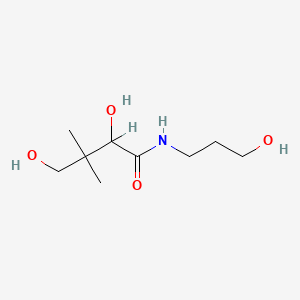
Panthenol has a more defined ingredient identity than an extract or broad ingredient class. Its molecular formula is C9H19NO4. In a product, that identity matters because water phase, oil phase, supporting moisturizers, and packaging can change the way it settles on skin.
What to expect
Panthenol is used as a moisturizing, soothing-feel, and barrier-support ingredient for skin that feels dry, tight, or easily bothered. It can make a formula feel more comfortable, especially when the base formula is already well designed.
Split the benefit story into immediate feel, comfort a few hours later, how the skin surface looks, and whether the product fits the routine well enough to keep using. That gives the reader more value without turning the copy into a guaranteed-result claim.
Format changes the experience. The same highlighted ingredient can feel fresh in a toner, more adhesive in a serum, and longer-lasting in a cream, so ingredient role and product format should be read together.
How to use it
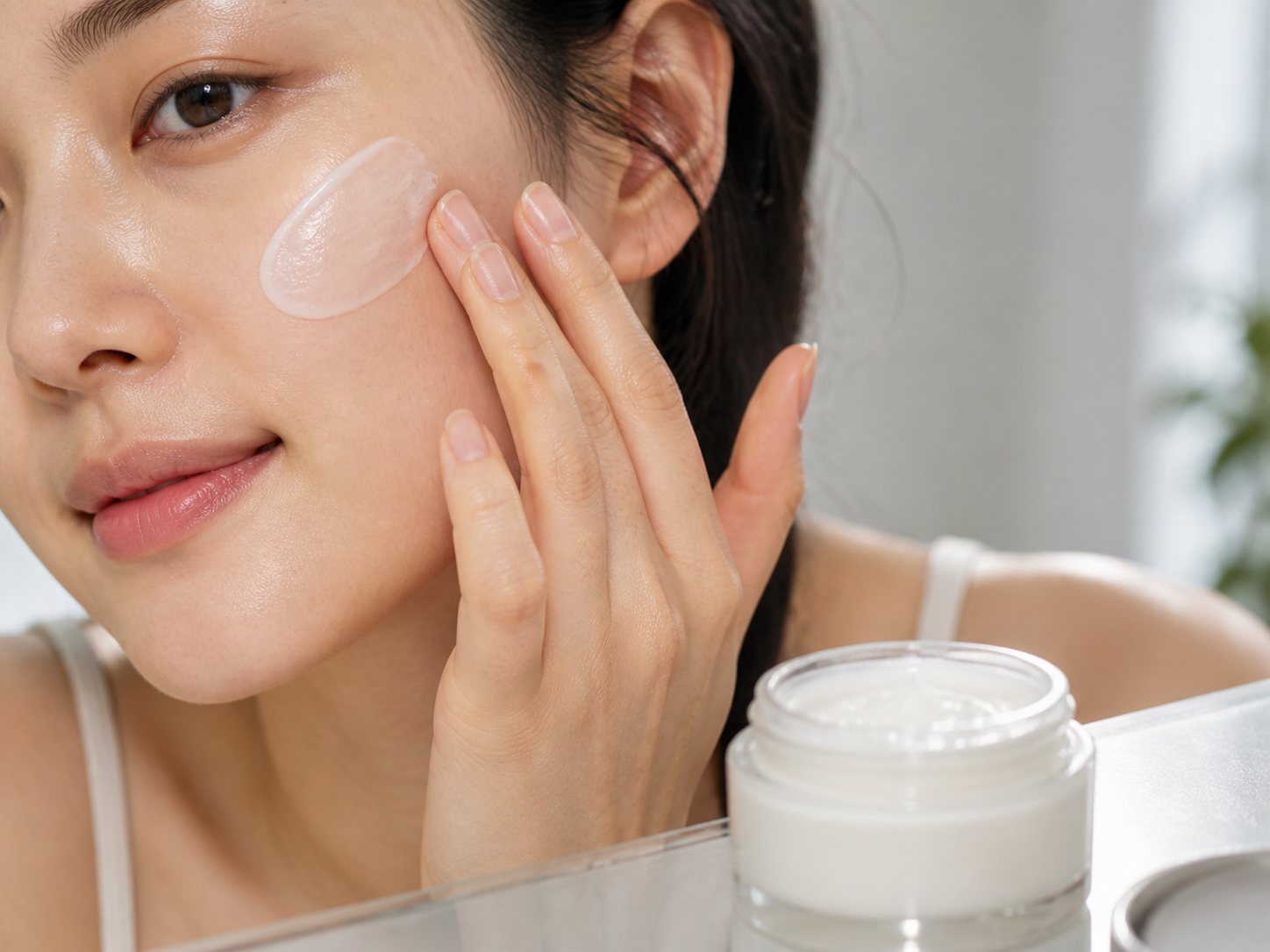
Add a Panthenol product one step at a time. In the morning, check sunscreen compatibility. At night, watch for tightness, warmth, or repeated stinging.
Changing several products at once makes it harder to tell what is working.
Cautions
If a Panthenol product repeatedly feels uncomfortable, adjust amount, frequency, or overlapping active ingredients first. The same highlighted ingredient can feel very different in a fragrance-heavy product versus a simpler formula.
Source checklist
For ingredient identity, start with current INCI naming and the product’s full ingredient list. Extracts, polymers, peptides, vesicles, and filtrates should not be reduced to one convenient molecule unless the product names a specific compound.
When comparing products, check concentration disclosure when available, formula position, supporting moisturizers, fragrance, essential oils, and the other active ingredients already in your routine.