What you are likely to notice first
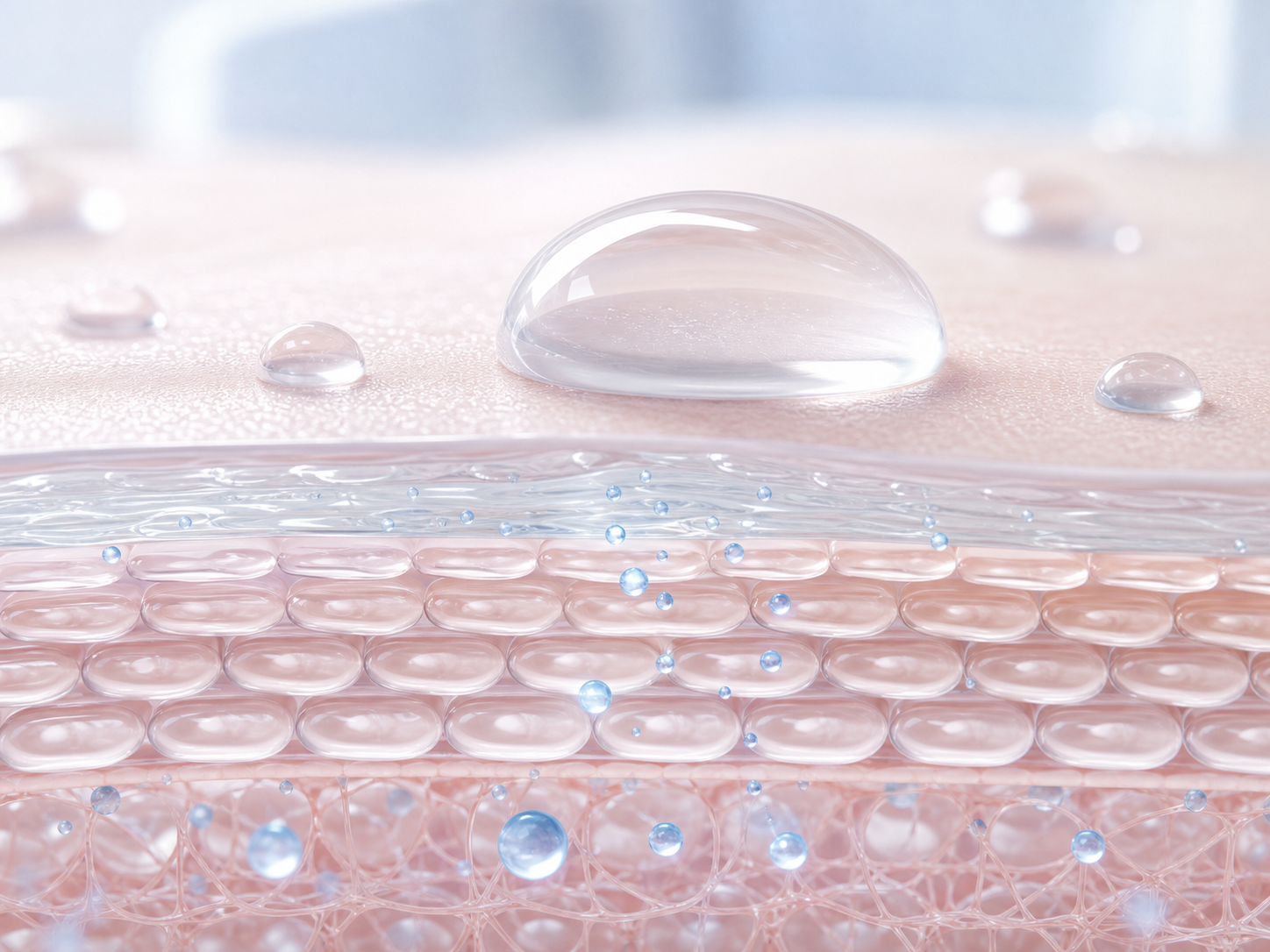
A PDRN cream can make dry, rough skin look smoother and more rested by increasing moisture and leaving a flexible emollient film. As the outer skin layer takes up water, fine dehydration lines become less obvious and light reflects more evenly, creating the glow and temporary plumpness often described as a repair effect. These are worthwhile changes for skin made uncomfortable by weather, cleansing, or an active-heavy routine. They do not require the cream to recreate the results of an injectable procedure.
The formula surrounding PDRN determines most of the immediate feel and moisture retention. Glycerin, hyaluronic acid, and glycols bind water; fatty alcohols, esters, silicones, oils, and ceramides soften the surface and slow evaporation. Panthenol and beta-glucan may add a soothing feel. A well-built moisturizer with a modest PDRN claim can outperform a high-number PDRN gel that leaves skin tight again by morning.
What PDRN actually is
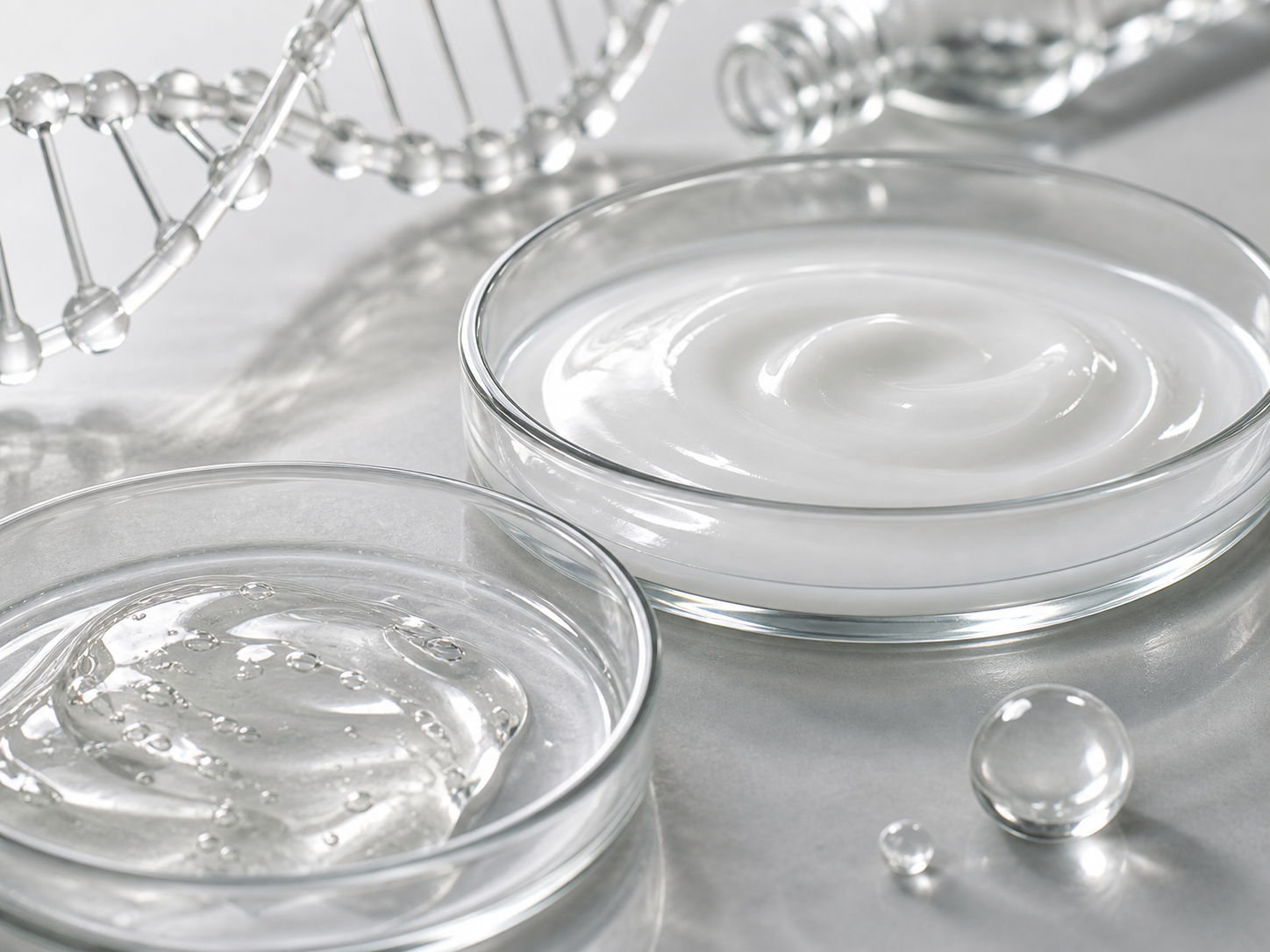
PDRN stands for polydeoxyribonucleotide. It is a collection of purified DNA-chain fragments of different lengths, not a single small active molecule. Salmon-family fish is the best-known source, although brands now market plant-derived DNA materials and proprietary alternatives. Those materials should not automatically be treated as identical; source, fragment range, purification, and finished formulation can differ.
Research on PDRN developed largely in injected and medical contexts, where delivery bypasses the intact skin barrier. Conventional PDRN is relatively large and negatively charged, which limits easy passage through intact skin. Cosmetic developers use smaller fragments, encapsulation, or delivery systems to address that limitation, but words such as low molecular weight, liposomal, or nano do not by themselves prove that meaningful amounts reach the dermis. Finished-product testing is the most relevant evidence for a cream.
Reading repair and elasticity claims
Moisture alone can make skin look firmer for several hours, so an immediate before-and-after image may show hydration rather than structural remodeling. A convincing longer-term elasticity claim should come from a multiweek study of the actual cream, with a clear measurement method, enough participants, and preferably a comparison product. A raw-ingredient test or injectable PDRN study cannot establish what a jar on the shelf will do.
Concentration claims also need context. A label may state ppm of a PDRN solution rather than the amount of purified PDRN in the finished formula. More is not automatically better if the base pills, irritates, or fails to prevent water loss. For consumers, overnight comfort, reduced flaking, and smoother makeup wear are more useful early measures than a large number on the front label.
Choosing a useful formula
Dry skin can look for PDRN alongside ceramides, cholesterol, fatty acids, squalane, shea butter, or dimethicone. These ingredients strengthen the moisturizer’s ability to retain water. Oily or acne-prone skin may prefer a gel cream with glycerin and lightweight emollients rather than a waxy balm. A capsule gel may begin fresh and release a shinier oil phase as it is rubbed in; a traditional opaque emulsion tends to feel more consistently creamy. Neither format proves better PDRN delivery.
If source matters, check whether the brand identifies fish-derived, plant-derived, or synthetic/proprietary material. Highly purified fish-derived DNA is not the same as applying fish protein, but people with significant fish allergy may still want the manufacturer’s allergen guidance. Fragrance and unrelated botanical extracts are more common causes of cosmetic discomfort than the PDRN story suggests, so read the whole ingredient list.
How to use it
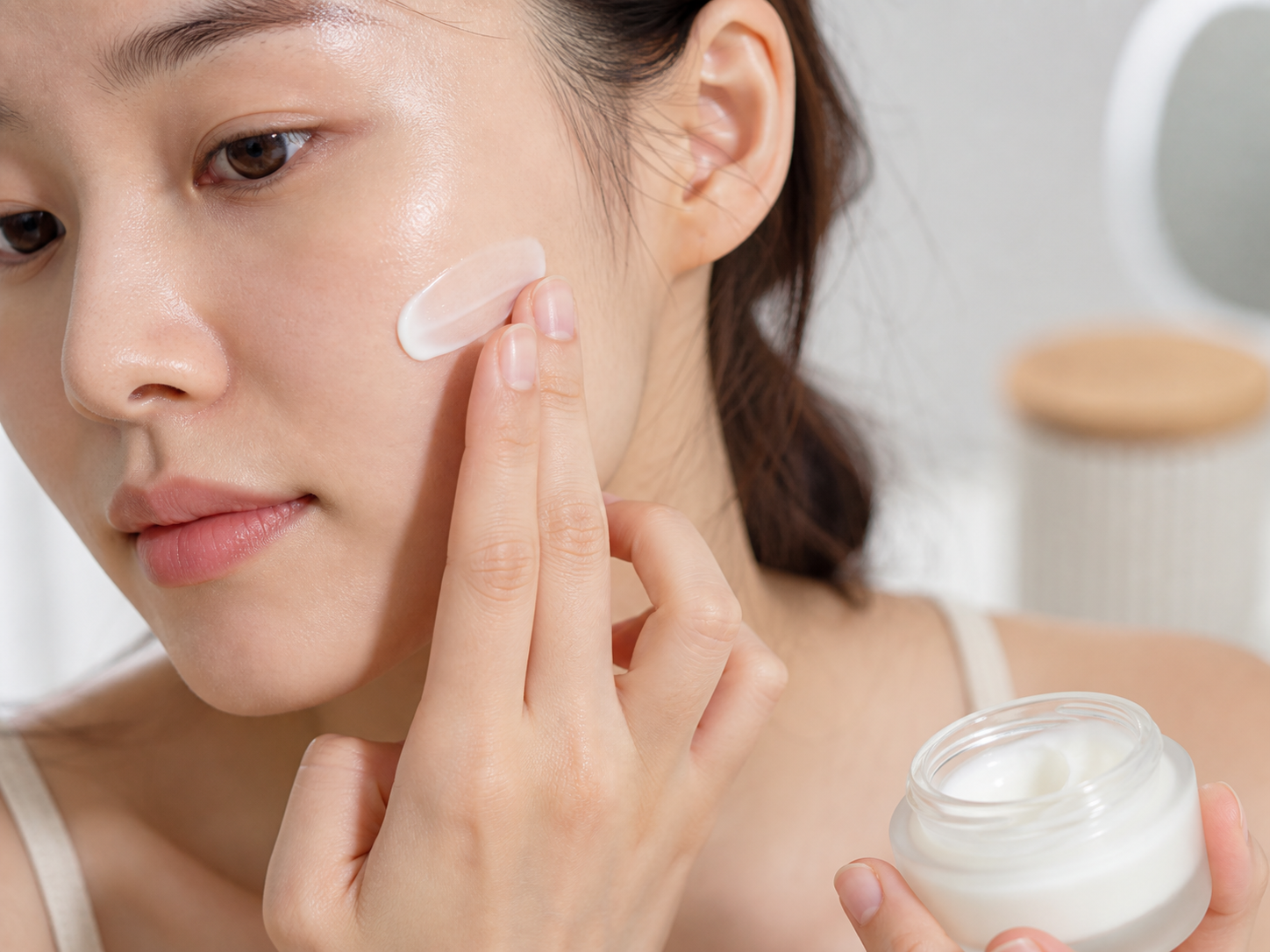
Apply the cream after watery serums and before sunscreen in the morning. At night, use it as the final moisturizer or add a second thin layer only to dry areas. It can be paired with retinoids and exfoliants to improve comfort, but a soothing label is not permission to continue an active that is causing burning or peeling. Reduce the active first, then rebuild a simple moisturizing routine.
After two to four weeks, assess post-cleansing tightness, afternoon dryness, flaking, and whether makeup catches on rough patches. Longer-term firmness should be judged more cautiously and under similar lighting. If the product gives good hydration but no special elasticity change, it may still be a successful moisturizer. PDRN is an interesting developing cosmetic ingredient; the cream’s reliable value begins with how well the complete formula treats dry skin.