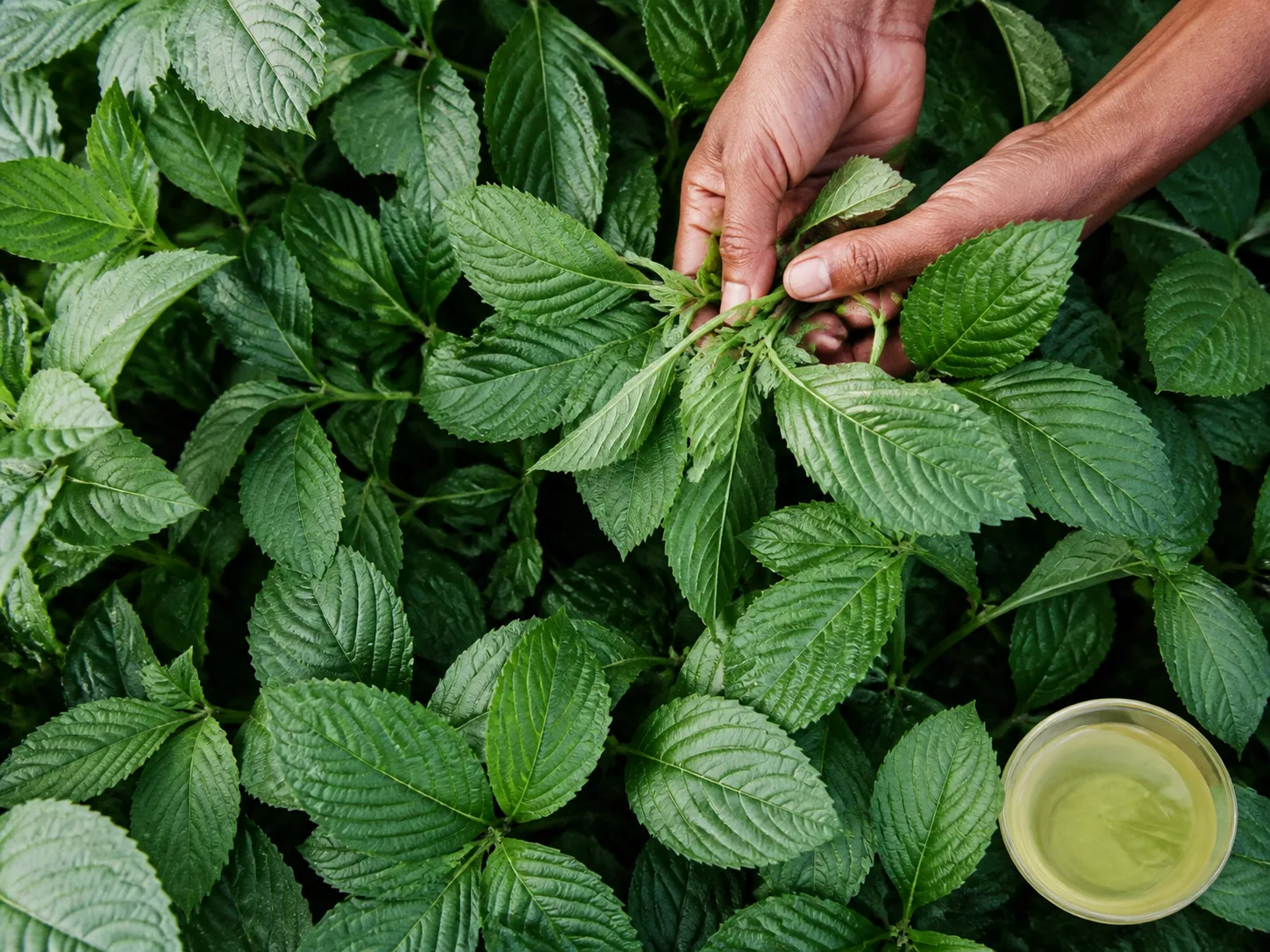
What is molokhia leaf extract?
Corchorus Olitorius Leaf Extract, often called molokhia leaf extract, is a botanical cosmetic ingredient made from the leaves of Corchorus olitorius. It is not automatically interchangeable with a leaf-and-stem extract or another ingredient that happens to use the word molokhia. Matching the full INCI name on the product is the simplest way to avoid borrowing claims from a different material.
How molokhia extract helps a moisturizing formula
Molokhia’s slippery mucilage contains long carbohydrate chains that associate with water. As the chains swell and tangle, the liquid becomes thicker and can leave a water-rich film. A study of mucilage separated from the leaves by hot-water extraction found about 34% uronic acids and measured its water-holding capacity. That helps explain the ingredient’s texture and moisturizing potential, although an ordinary leaf extract may contain much less mucilage.
A Korean study separated molokhia extract into oil-soluble and water-soluble fractions. Both reduced oxidative stress in skin cells exposed to hydrogen peroxide, and slightly restored collagen synthesis after UV exposure. This examines a different benefit from the mucilage film: reducing oxidative reactions inside experimentally stressed cells. It was a laboratory study of prepared fractions, not a trial of a finished face cream. Read the study
Formula type changes the experience
In a toner or gel serum, a molokhia leaf extract may appear alongside light humectants. Apply one layer first and follow with a moisturizer you already know works for you. If the formula also contains fragrance, denatured alcohol, or strong exfoliating ingredients, it may still sting even though it includes a botanical extract.
In a cream or mask, the lasting feel comes largely from the oils, waxes, silicones, film formers, and the amount you apply. If you feel congested easily, begin with a thin layer and watch for heaviness as well as dryness later in the day. If dryness is the main issue, a light hydration step underneath a suitable cream may be more comfortable than relying on one extract.
Trying a new product
Plant-derived does not mean universally non-irritating. Add one unfamiliar leave-on product at a time, use a small area first, and keep the rest of the routine steady. If redness or itching repeats, consider fragrance, essential oils, acids, and frequency of use alongside the extract instead of assuming one ingredient is the cause.
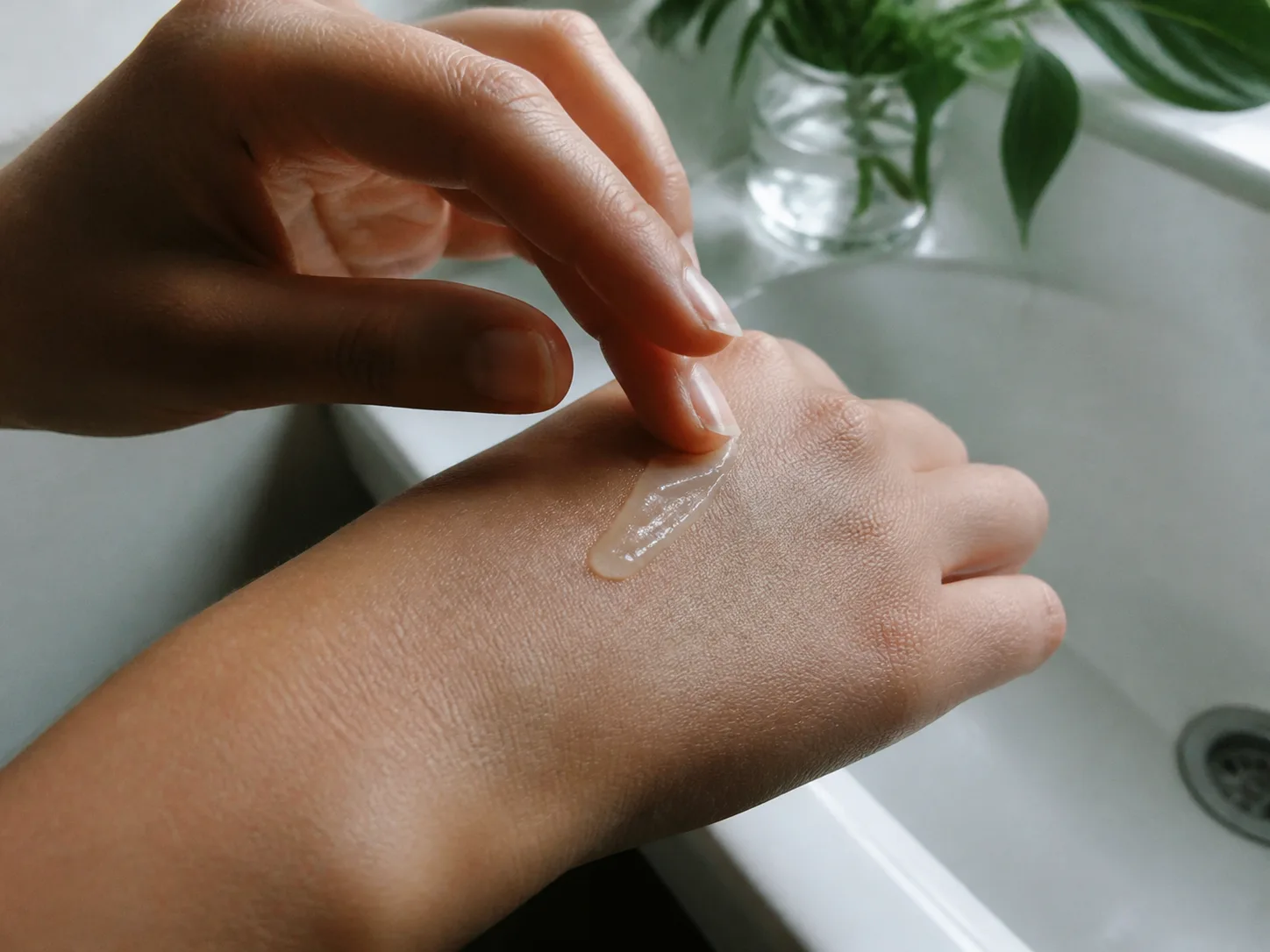
Stop use if burning, swelling, persistent itch, or a rash develops. This is cosmetic ingredient guidance, not diagnosis or treatment advice.
Sources used
- Korea Cosmetic Association ingredient referenceKorean standardized name, INCI identity, and declared cosmetic function
- Effects of Corchorus olitorius L. (Molokhia) Extracts as Functional Cosmetic MaterialsKorean cosmetic-material experiment and what the research actually shows
- CORCHORUS OLITORIUS LEAF EXTRACT – COSMILE EuropeInternational INCI and plant-part context
- Jew's mallow extract – DermalabCosmetic raw-material and skin-care formulation context
- Molokhia leaf mucilage composition and water holdingIngredient mechanism and exact study material.