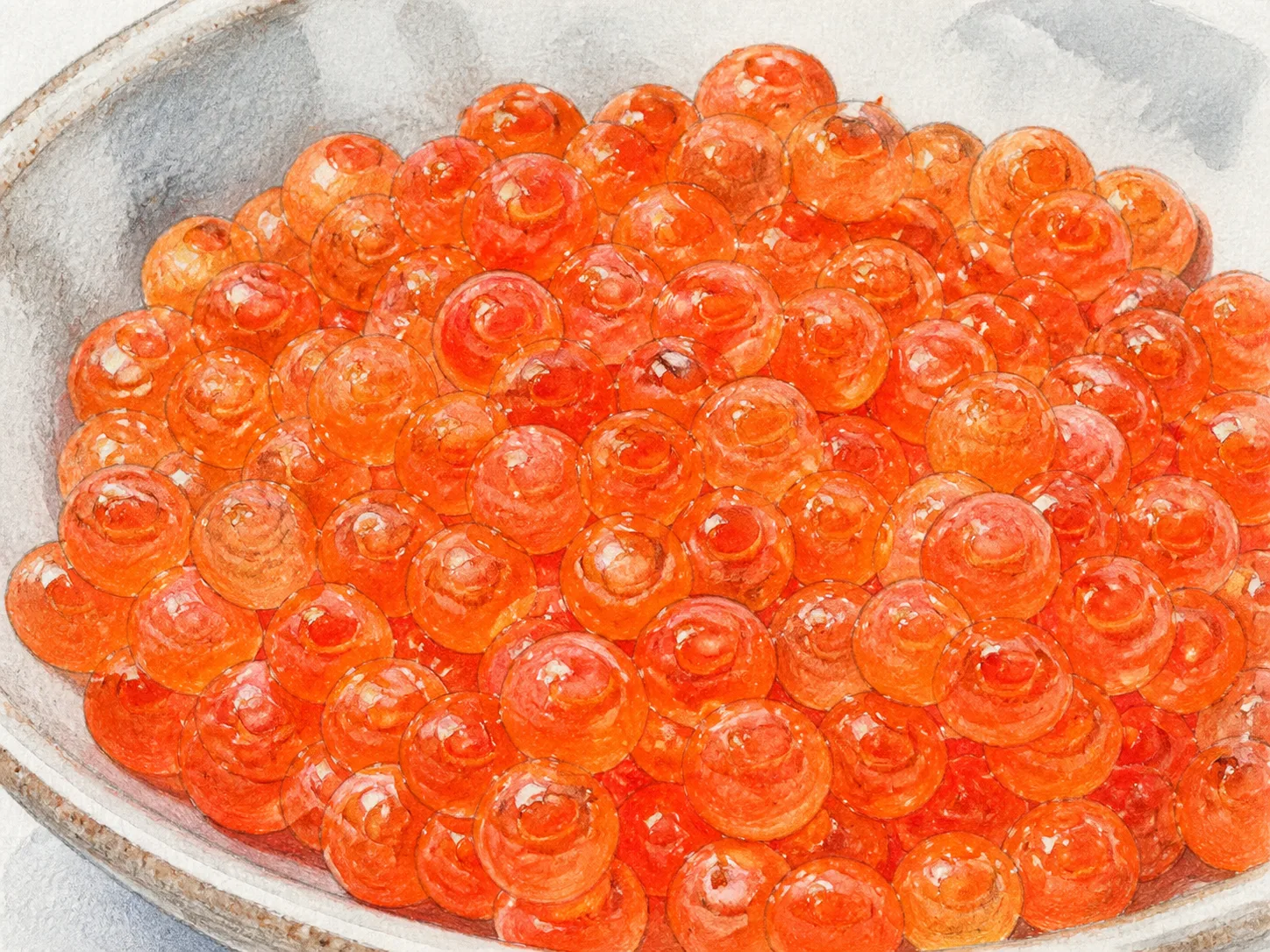
Salmon Egg Extract supports hydration and smoother-looking texture
Salmon Egg Extract is used to increase skin hydration and make rough, tired-looking texture appear smoother. In a randomized double-blind study, 66 people used creams containing 1% or 5% of a specified extract for 56 days. Hydration improved, and the study also tracked changes in elasticity, wrinkles, pigmentation, and pores, with several results varying by time and concentration.
Salmon Egg Extract is obtained from salmon eggs and may also appear in references as Salmo Ovum Extract. It has been swept into the recent PDRN conversation because both can come from fish reproductive material. Chemically, they are not interchangeable.
PDRN usually refers to purified DNA fragments obtained from salmonid milt or germ cells. Milt Extract is an extract of the male reproductive tissue. Salmon Egg Extract is a broad mixture from the egg. If a label lists only Salmon Egg Extract, it does not tell you that the product contains a defined amount of PDRN or reproduces a PDRN receptor mechanism.
A mixture of proteins, lipids, and small molecules
Salmon eggs supply a developing embryo with proteins, free amino acids, unsaturated fatty acids, phospholipids, vitamins, minerals, and nucleic acids. Researchers analyzing the ingredient used in a 2013 study found those groups along with DNA and RNA.
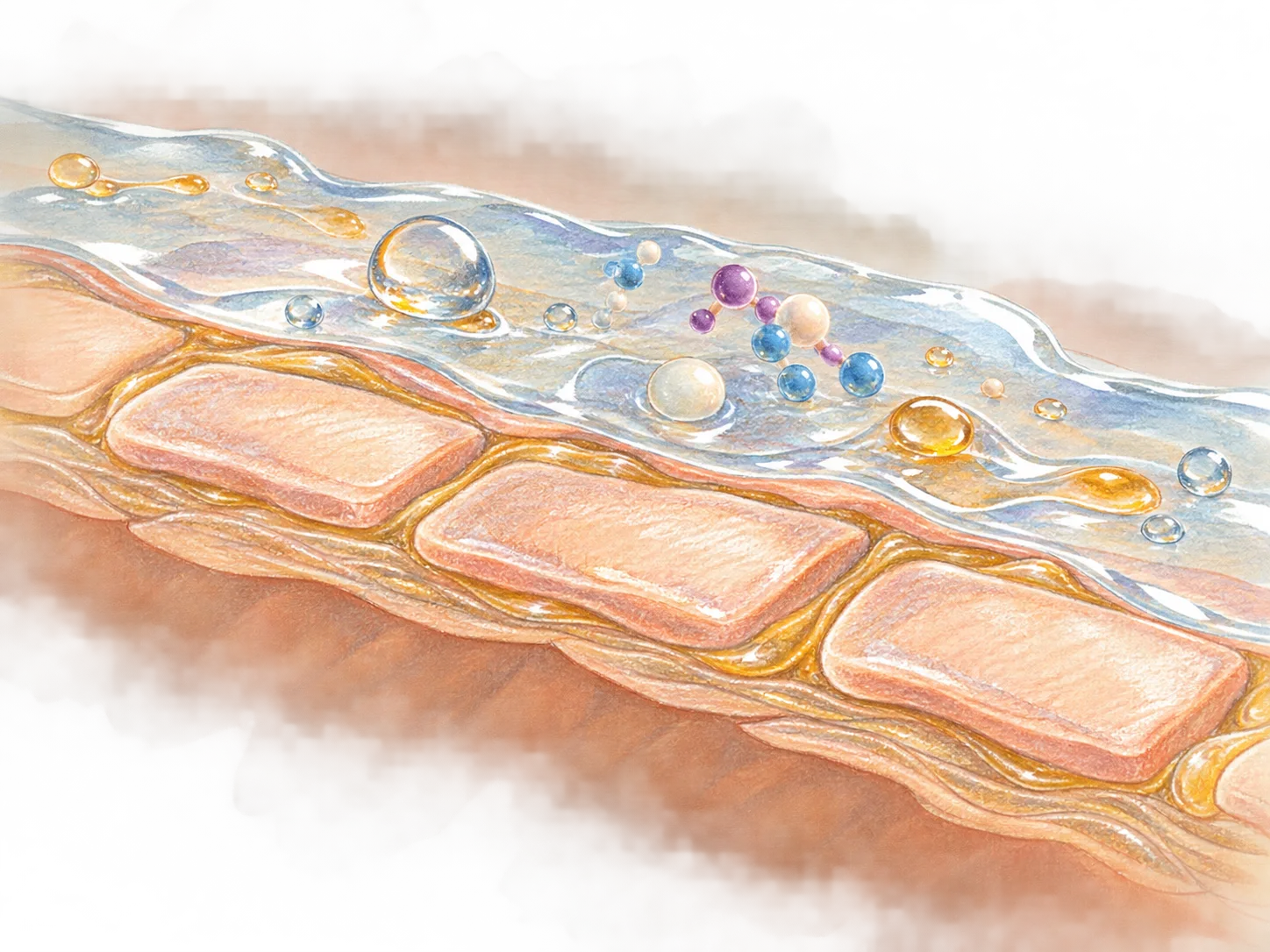
The mixture may affect skin in several ways. Amino acids and protein fractions can interact with water and improve surface feel. Lipids may soften the formula and supplement the surface lipid environment. Vitamins and unsaturated lipids may influence oxidative conditions, although stability and processing determine what remains active in a finished product.
What the 66-person trial tested
A randomized, double-blind trial involving 66 healthy women. Participants used vehicle formulas containing 1% or 5% of a particular salmon egg extract. Researchers assessed hydration, wrinkles, pigmentation, redness, brightness, and other measurements after 7, 14, 28, and 56 days.
The paper reported improvement across the investigated parameters, with a general time- and dose-related pattern. A repeat-insult patch test found no irritation or sensitization to the study extract.
The public abstract does not let a shopper evaluate every effect size and between-group comparison. The authors were affiliated with the ingredient company, and independent replication is limited. One 66-person study of one extract and vehicle does not validate every cream with salmon imagery on the box.
How it may help hydration and texture
Surface hydration helps explain some of these changes. Amino acids and protein fragments can bind water, while the lipid fraction can improve flexibility and reduce the rough feel of dry stratum corneum. Better hydration makes dehydration lines look shallower and changes the way a rough surface reflects light. That alone can affect measurements of brightness and visual evenness.
The trial used a mixture rather than separate fractions, so it could not identify how much of the result came from DNA, proteins, lipids, or other components.
How hydrolyzed roe differs from salmon egg extract
A different 75-person study compared a hydrolyzed roe protein cream with glycolic-acid formulas over 12 weeks. The hydrolyzed protein system was designed for enzymatic exfoliation and showed changes in skin clarity with relatively good tolerability.
Hydrolysis breaks proteins into a different molecular mixture. That research is relevant to Hydrolyzed Roe, not proof that unqualified Salmon Egg Extract exfoliates like an acid. The same separation applies to PDRN, Sodium DNA, and Milt Extract.
Reading a product label
Look for the exact INCI first. Treat Salmon Egg Extract, PDRN, Sodium DNA, Milt Extract, and Hydrolyzed Roe as separate lines of evidence. A disclosed percentage and finished-product test make a claim easier to judge. Without them, supporting ingredients such as glycerin, panthenol, ceramides, peptides, and emollients may explain most of the immediate result.
Dry skin may prefer a cream or richer ampoule. Oily skin should watch for the weight and film left by the whole formula. Eye products still need to stay out of the eyes, and fragrance can be a more immediate source of discomfort than the marine extract itself.
Allergy and sourcing questions
We do not have good numbers for topical cross-reaction in people with fish or fish-roe food allergy. A food allergy does not mean every cosmetic extract will cause a reaction, but purification does not guarantee safety either. Someone with a severe history should avoid the ingredient or ask an allergy specialist before experimenting. Stop promptly for hives, swelling, marked itch, or breathing symptoms and seek appropriate care.
The ingredient is animal-derived and will not suit vegan preferences. Marketing terms such as “caviar complex” or “marine DNA” are not precise enough; check the INCI and the brand’s sourcing statement.
Sources used
- Source from cosbot.helpcosmetic.or.kr
- Health Canada NHPID: Salmo Ovum Extract
- Composition characterization and clinical efficacy study of a salmon egg extractBenefit evidence, study conditions, and what the research actually shows.
- An Evaluation of Novel Enzyme Exfoliation Versus Glycolic AcidBenefit evidence, study conditions, and what the research actually shows.
- Seaweed and other marine-derived products in skin care, Part II
- Salmo ovum extract: Altmeyers Encyclopedia of CosmetologyCAS 94944-92-0, salmon egg origin, skin-conditioning context
- Source from bluedawn.kr