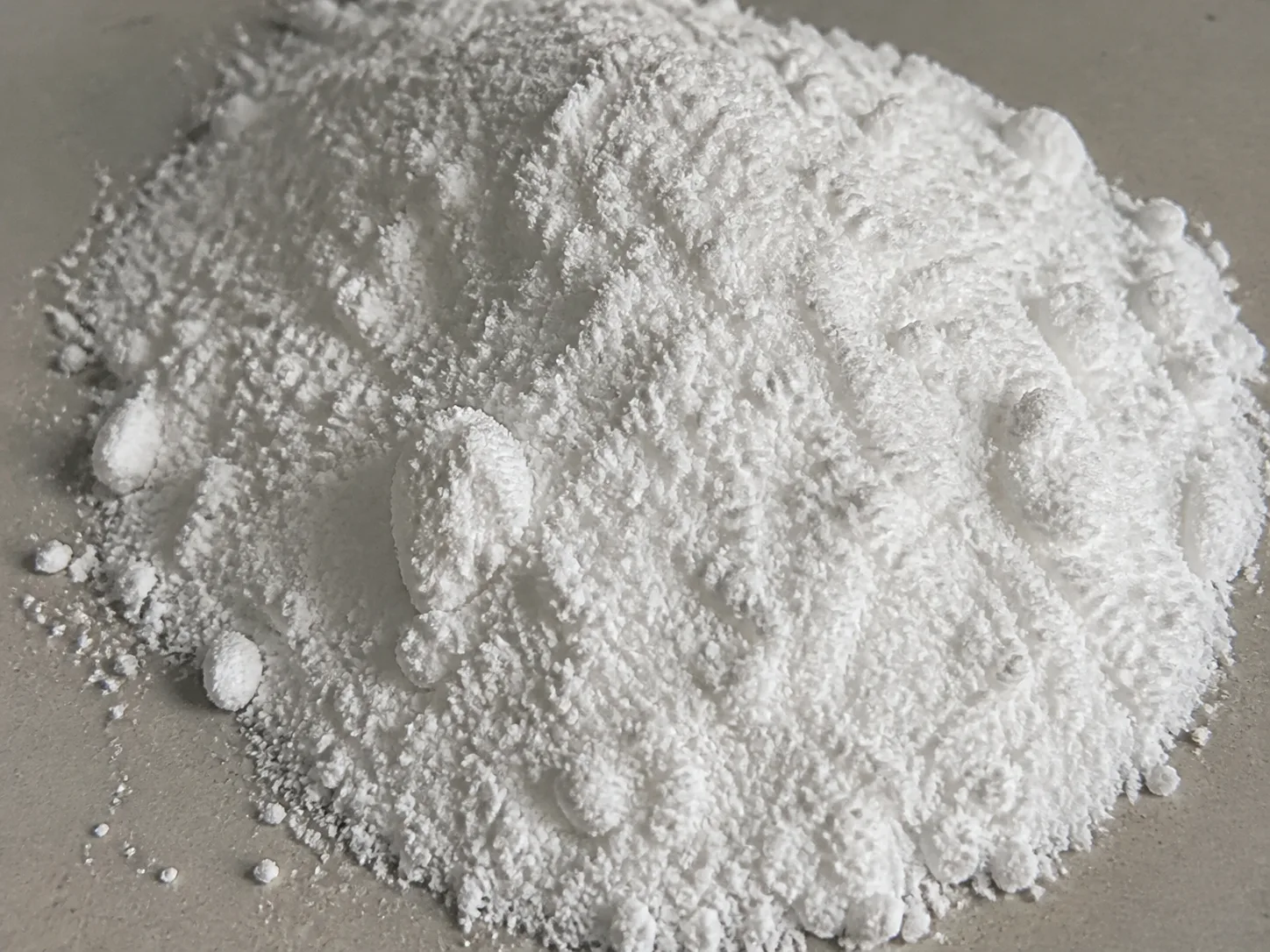
What Zinc PCA is
Zinc PCA is the zinc salt of pyrrolidone carboxylic acid. PubChem also lists zinc pidolate and zinc pyroglutamate among its names. Cosmetic references classify it for skin conditioning and humectant support, while oily-skin products often position it around visible shine and blemish-prone routines.
The word zinc does not make every zinc ingredient equivalent. Zinc oxide is an inorganic powder used in sunscreen and skin-protective contexts. Zinc pyrithione has a different structure, antimicrobial use history, and regulatory status. Evidence and restrictions for either material should not be transferred to Zinc PCA.
What the PCA and zinc pairing means
PCA is discussed as part of the skin’s natural moisturizing-factor context. Its zinc salt is water soluble and can be formulated into toners, serums, lotions, cleansers, and hair products. Supplier literature presents moisturizing, conditioning, sebum, and microbial tests, but raw-material brochures still need to be read with their concentration, test system, and sponsorship in view.
The phrase “controls sebum” combines several different levels of evidence. Studies of oral or topical zinc in general are not automatically studies of Zinc PCA. In-vitro microbial inhibition is also not the same outcome as fewer acne lesions on a face. Zinc PCA is used to help manage visible shine, but combination-product trials cannot quantify its contribution alone.
What the randomized acne trial tested
A six-week randomized trial enrolled 140 people with moderate acne. Both groups used adapalene, adding either a cream with nicotinamide, an antibacterial agent, and Zinc PCA or a placebo cream. The study cream reduced noninflammatory lesions more during the first two weeks; inflammatory lesions did not differ between groups.
The cream combined Zinc PCA with nicotinamide and another active ingredient alongside existing acne care. Its results cannot isolate Zinc PCA’s contribution. Painful, scarring, or worsening acne needs medical care.
How strong is the sebum claim?
Supplier tests and several combination formulas report changes in surface oil or shine, but concentrations, co-ingredients, duration, and measurement methods differ. The public human evidence does not support one reliable percentage reduction for Zinc PCA alone. Claims that it instantly normalizes sebum or permanently closes pores go beyond that record.
Less surface oil can make pores look less obvious, but it does not permanently shrink their structure. Lighting, powder, hydration, and image processing also change pore visibility. Evaluate a product under the same lighting by tracking afternoon shine, makeup breakdown, tightness, and new clogged bumps together.
Serum, cream, and cleanser are different products
Leave-on serums and creams keep the ingredient on skin longer, but often combine it with niacinamide, salicylic acid, or other oil-targeting materials. That combination may feel elegant on oily skin while also increasing dryness if several active products overlap. Write down exfoliant and acne-treatment frequency when adding a new serum.
In a cleanser, contact is brief and surfactants dominate the after-wash feel. The presence of Zinc PCA does not guarantee mild cleansing or all-day oil reduction. Judge tightness and redness within ten minutes of washing and comfort after twice-daily use. Shampoo claims should not borrow the evidence for zinc pyrithione either.
A practical introduction schedule
Do not start the product both morning and night on day one. Use it every other night for the first week while keeping cleanser and moisturizer unchanged. If there is no persistent sting and afternoon shine becomes easier to manage, increase frequency only within the product directions.
If dryness develops, check alcohol, acids, and cleanser strength before blaming one highlighted ingredient. Add a light moisturizer and reduce overlapping exfoliation. Stop if stinging continues. Comparing one change at a time produces better information than stacking several “pore” and oil-control products.
Regulation and safety context
The Korean ingredient reference places Zinc PCA within the category for water-soluble zinc salts and states a limit calculated as 1% zinc. That does not mean every product contains 1% Zinc PCA: the regulation is calculated from the zinc portion of the material. An ingredient list cannot reveal the exact percentage by position alone.
Finished-product safety still includes pH, preservatives, fragrance, and every other ingredient. Wash off and stop for persistent burning, swelling, hives, or itch. Do not mix concentrated raw powder into skincare or apply it to broken, severely inflamed skin.
Sources used
- 대한화장품협회 성분사전 - 징크피씨에이exact Korean name, INCI, zinc salt identity and domestic zinc limit context
- PubChem - Zinc pidolatechemical identity, synonyms, CAS and molecular formula
- Nicotinamide, ABA and zinc-PCA versus placebo for moderate acnemulticenter randomized finished-formula evidence and attribution limits
- AJIDEW ZN-100 technical brochureraw-material identity, proposed functions, applications and supplier-study context
- COOS - 징크피씨에이Korean professional identity and finished-product format context
- Zinc PCA evidence guideconsumer questions and ingredient-specific what the published studies actually tested