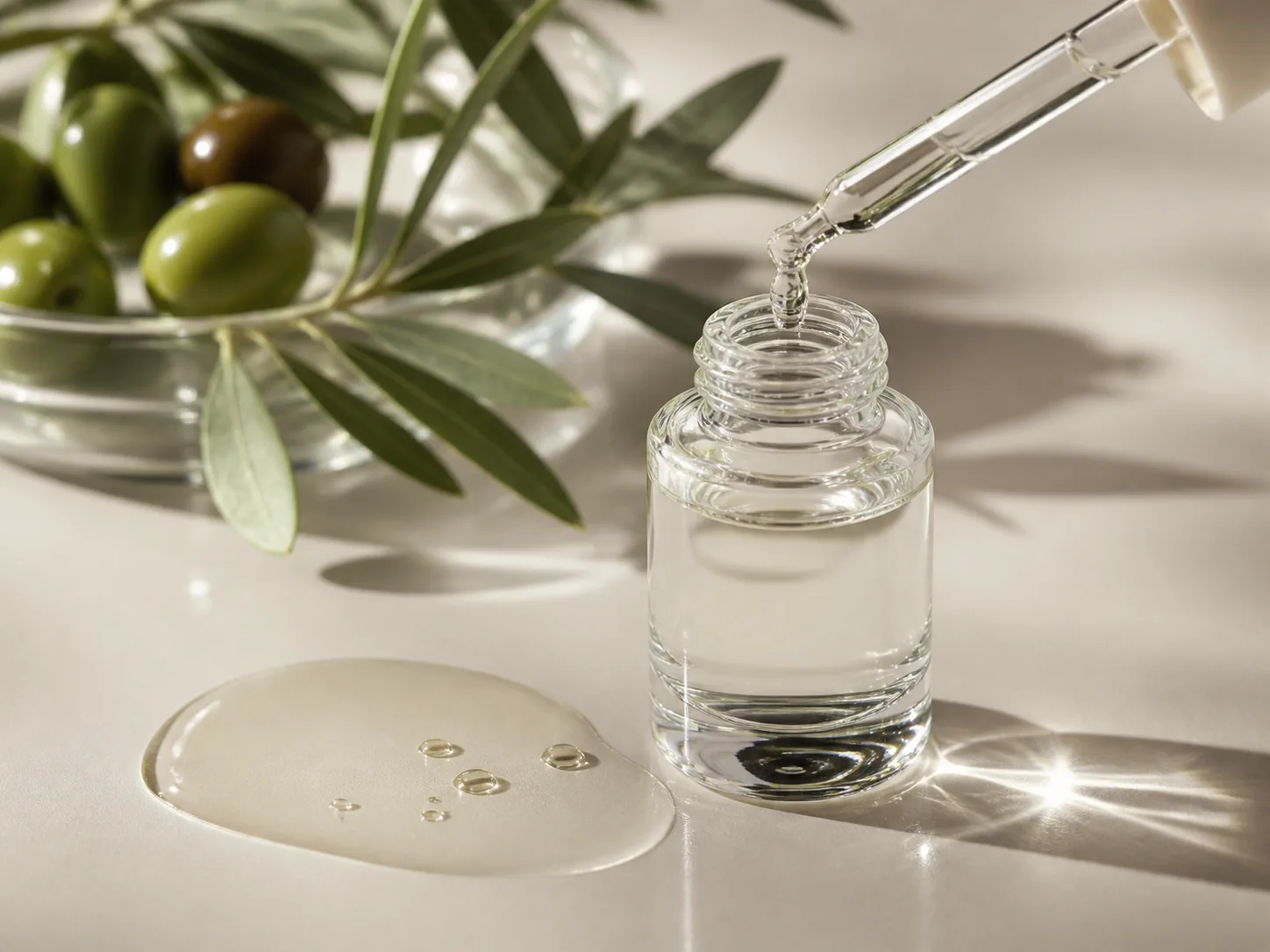
Squalane spreads easily and slows moisture loss
Squalane forms a thin silky film that fills rough spaces and slows water loss. It is hydrogenated squalene, a saturated hydrocarbon with the molecular formula C30H62. Hydrogenation improves oxidation stability and helps explain its low-odor, elegant feel.
Squalane does not attract water. Apply glycerin, hyaluronic acid, or moisturizer first, then seal with oil. Several drops on dry skin may create shine without resolving underlying dehydration. Smoother fine lines reflect hydration, not collagen rebuilding.
Dry skin can press one or two drops over cream. Combination skin may use it only on cheeks. Oily skin can begin with one drop, but no oil is universally non-comedogenic for everyone. A squalane cream may work better than pure oil when you need both water and lipids.
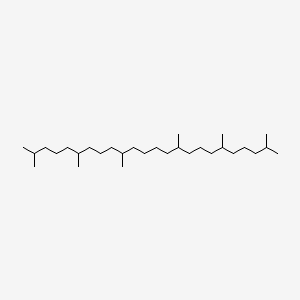
Squalane resists oxidation
Squalane is a fully saturated, branched hydrocarbon rather than a mixture of triglycerides and fatty acids. Used at high purity, it has relatively little color or odor and resists the rancidity that can affect unsaturated botanical oils. Its branching helps it spread with a silky slip instead of a dense waxy drag.
Human sebum contains squalene, which contributes to surface flexibility but oxidizes readily. Hydrogenated squalane is more stable, yet that does not mean it reproduces every biological role of native squalene. Its principal cosmetic value is dependable emollience.
How squalane helps the skin retain moisture
The stratum corneum barrier is organized from corneocytes plus ceramides, cholesterol, and fatty acids. Squalane does not replace those lipids in their natural ratio. It smooths gaps at the surface and reduces evaporation, creating a more comfortable environment while the barrier functions. Pairing it with a ceramide cream can provide both physiologic lipids and a flexible finishing emollient.
That support should not be described as treatment for oozing eczema, infection, or a severely cracked barrier. A fragrance-free squalane product can reduce dryness-related discomfort, but persistent inflammatory disease needs appropriate diagnosis and therapy.
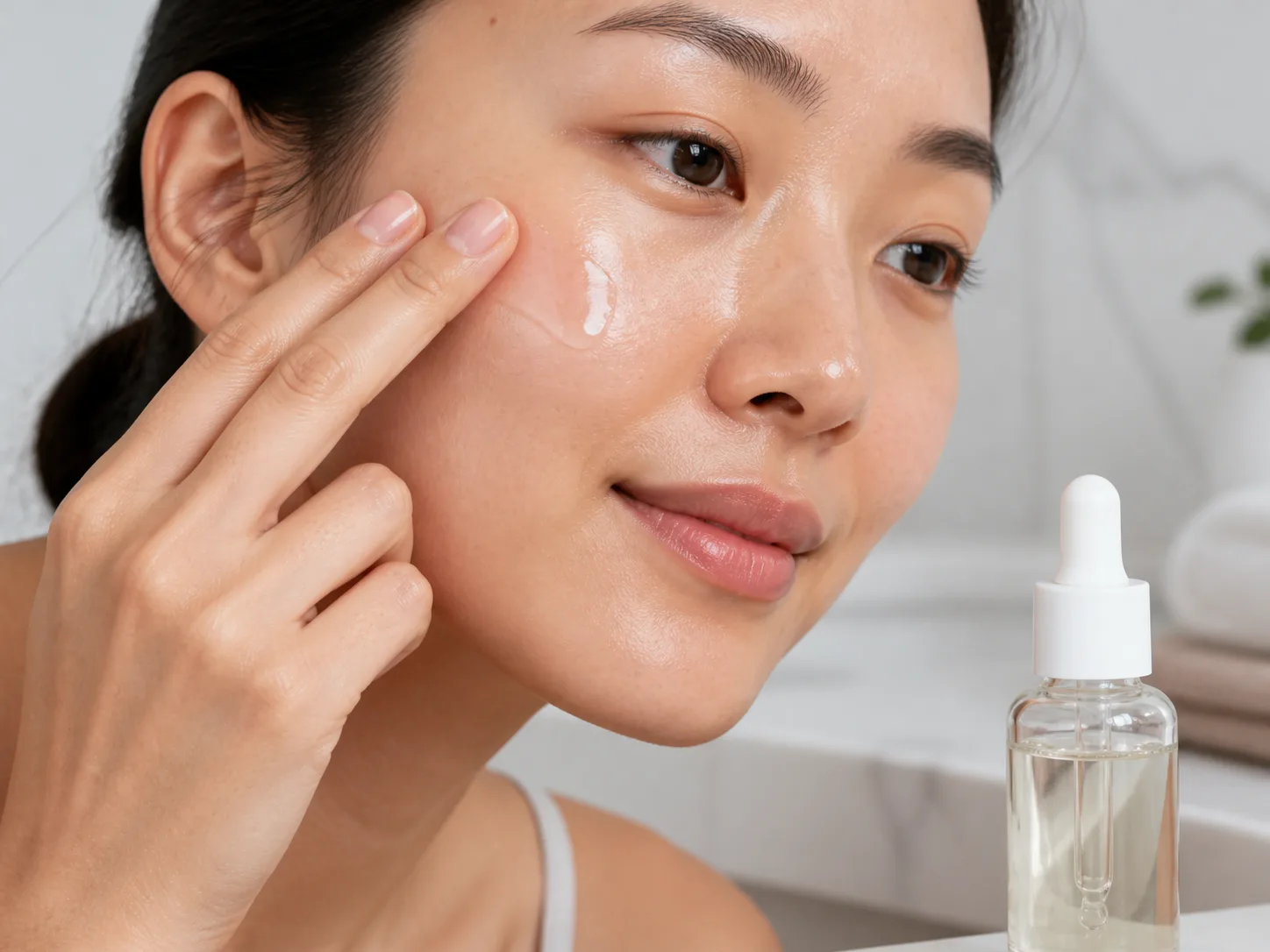
Pure squalane versus a facial-oil blend
A one-ingredient bottle makes dosing easy and simplifies troubleshooting. A product named “squalane facial oil” may actually blend rosehip, jojoba, esters, fragrance, or essential oils. Its oxidation profile, scent, allergy potential, and pore feel cannot be attributed to squalane alone.
Sugarcane-derived material is commonly made by fermentation followed by hydrogenation. Olive-derived material can be recovered from olive-oil processing streams. At high purity the final squalane molecule performs similarly, while feedstock, trace impurities, and sustainability practices depend on the manufacturer.
Can acne-prone skin use it?
Many acne-prone users tolerate squalane because it is light and oxidation-stable. The claim that it can never clog pores because it resembles sebum is still too absolute. Comedones reflect the whole formula, amount, climate, sunscreen layers, and individual follicular biology. Test one drop on a limited area for a week before coating the entire face.
When retinoids or benzoyl peroxide cause dryness, apply the medication as directed, allow it to settle, then add moisturizer and a small amount of squalane. Putting a heavy oil layer first can interfere with even placement of a water-based treatment.
Why oil alone may fail dehydrated skin
Dehydrated skin lacks water; dry skin often lacks adequate lipids. Squalane addresses the evaporation side but has no water phase. A face that feels tight beneath a shiny coating needs humectant serum or an emulsion underneath. In a humid climate one drop may be enough, while winter air may require a ceramide-rich cream plus squalane on exposed areas.
If a pure oil always sits on top, mix one drop into moisturizer in your palm rather than increasing to five. This distributes a thinner film. Do not pre-mix it into the whole jar, which can disturb preservation and formula stability.
You can also use squalane on cuticles and hair ends
One drop can soften cuticles, elbows, or damp hair ends. On hair it reduces friction and frizz but can flatten fine roots, so keep it away from the scalp. For severely chapped lips, petrolatum or a wax-based balm forms a stronger occlusive film than fluid squalane alone.
Sources used
- COSMILE Europe: SqualaneINCI identity and emollient, refatting, and skin-conditioning functions
- PubChem: SqualaneChemical identity and hydrocarbon structure
- NIST Chemistry WebBook: SqualaneCAS number, molecular formula, molecular weight, and physical-property verification
- Cosmetic safety assessment of squalane and squaleneCosmetic-use safety and distinction between squalane and squalene
- Cleveland Clinic: SqualaneLightweight sealing over serums and toners plus sensitive-skin cautions
- Westlake Dermatology: Squalane for Skin CareHydrogenated stable form of squalene, lightweight feel, and barrier moisturization
- Squalene and related compounds in cosmetic dermatologySkin-surface lipid and oxidation context for squalene, with claim boundaries for squalane