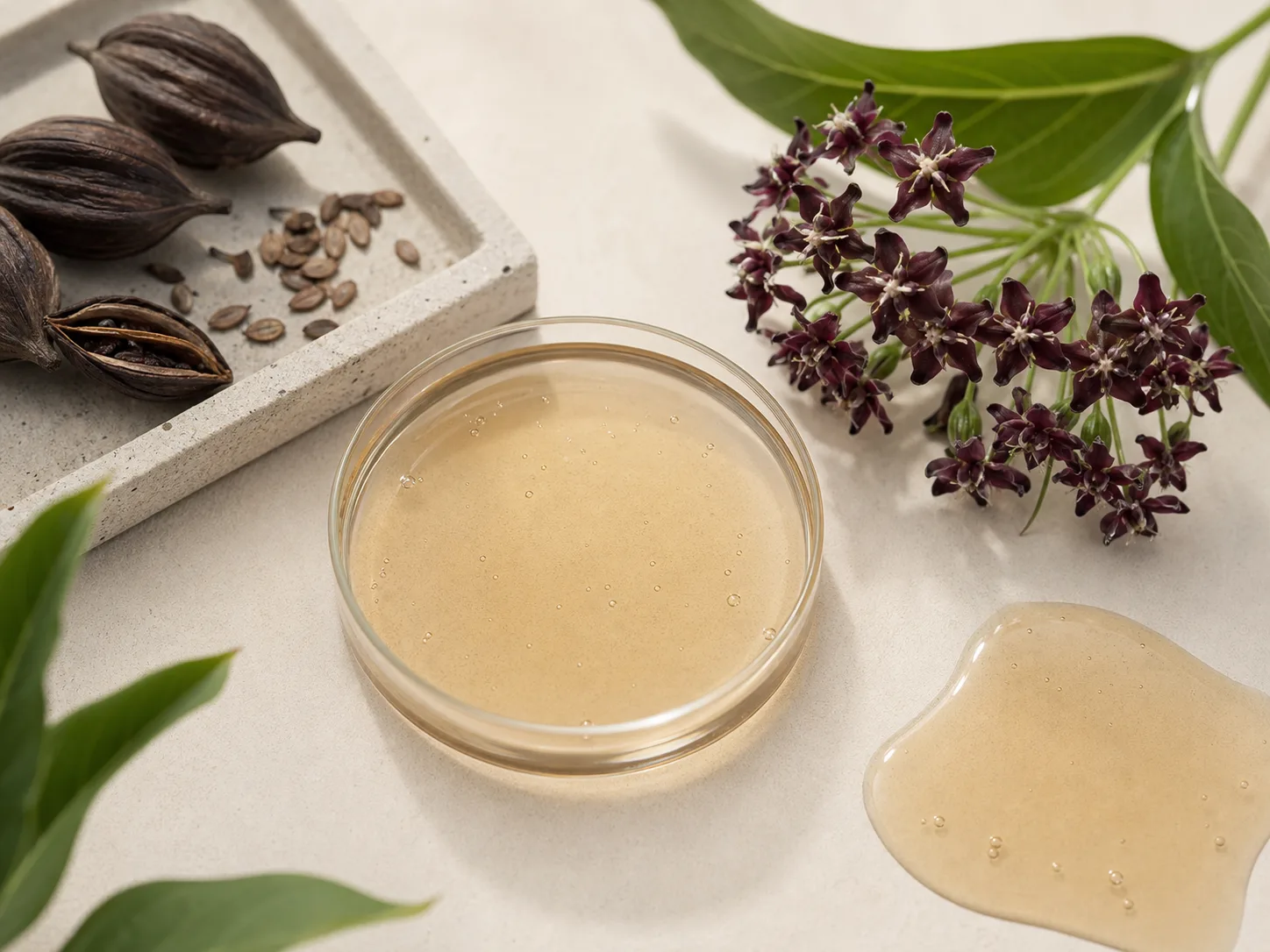
What Vincetoxicum Atratum Extract actually is
Vincetoxicum Atratum Extract is made from the whole plant commonly known in Korea as baekmi. Reference materials may use the botanical synonym Cynanchum atratum. Its recognized cosmetic role is skin conditioning, which places it in formulas designed to leave the surface feeling softer, less rough, and more comfortable rather than in the category of a single-purpose exfoliant or pigment-correcting active.
Whole-plant extract and root extract are not interchangeable
A search for this ingredient also brings up Vincetoxicum Atratum Root Extract. The distinction is real: the whole-plant INCI and the root-specific material use different parts of the plant. Extraction solvent, concentration, and standardized compounds can differ as well. Similar botanical names do not establish that two raw materials have the same composition or performance.
A Korean study has evaluated a moisturizer containing Cynanchum atratum root extract in relation to skin-barrier measurements and itch. It is useful background for understanding why this plant family appears in products made for dry, uncomfortable skin. The study still describes a particular root extract in a particular finished moisturizer. It does not prove that every toner listing Vincetoxicum Atratum Extract contains the same extract, dose, or supporting base.
What it contributes to toners and pads
The extract often appears among several botanicals in watery toners and pads. These formats can create an immediate cool, fresh sensation and relieve a tight surface after cleansing, but much of that experience comes from water evaporation and humectants such as glycerin or betaine. A high-alcohol or heavily fragranced base can still feel drying even when Vincetoxicum Atratum Extract is present.
With pads, application can matter more than the botanical. Repeated wiping adds friction, which may be uncomfortable when skin already looks flushed or feels reactive. Pressing the pad briefly onto the skin or applying the liquid with clean hands reduces that mechanical step. If the pad also contains PHA, AHA, or BHA, check frequency and concentration where disclosed; a conditioning extract does not automatically neutralize an exfoliating formula.
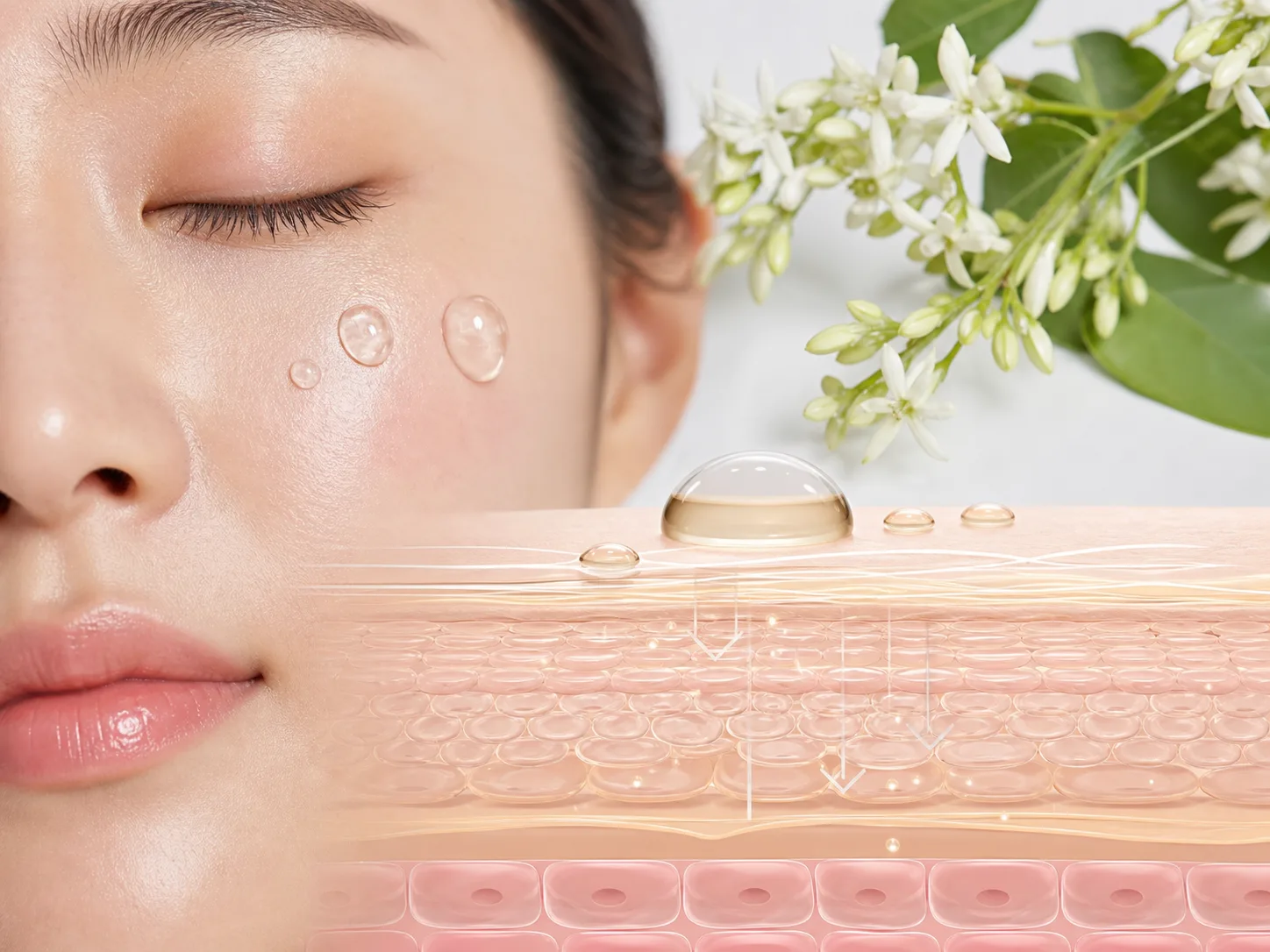
What changes in essences and creams
An essence or gel can suit someone who wants light hydration without an oily finish. For dry skin, a cream supported by panthenol, ceramides, squalane, fatty alcohols, or plant oils is more likely to maintain comfort for several hours. Even when the extract appears relatively high on a list, tightness can return if the formula lacks ingredients that slow water loss.
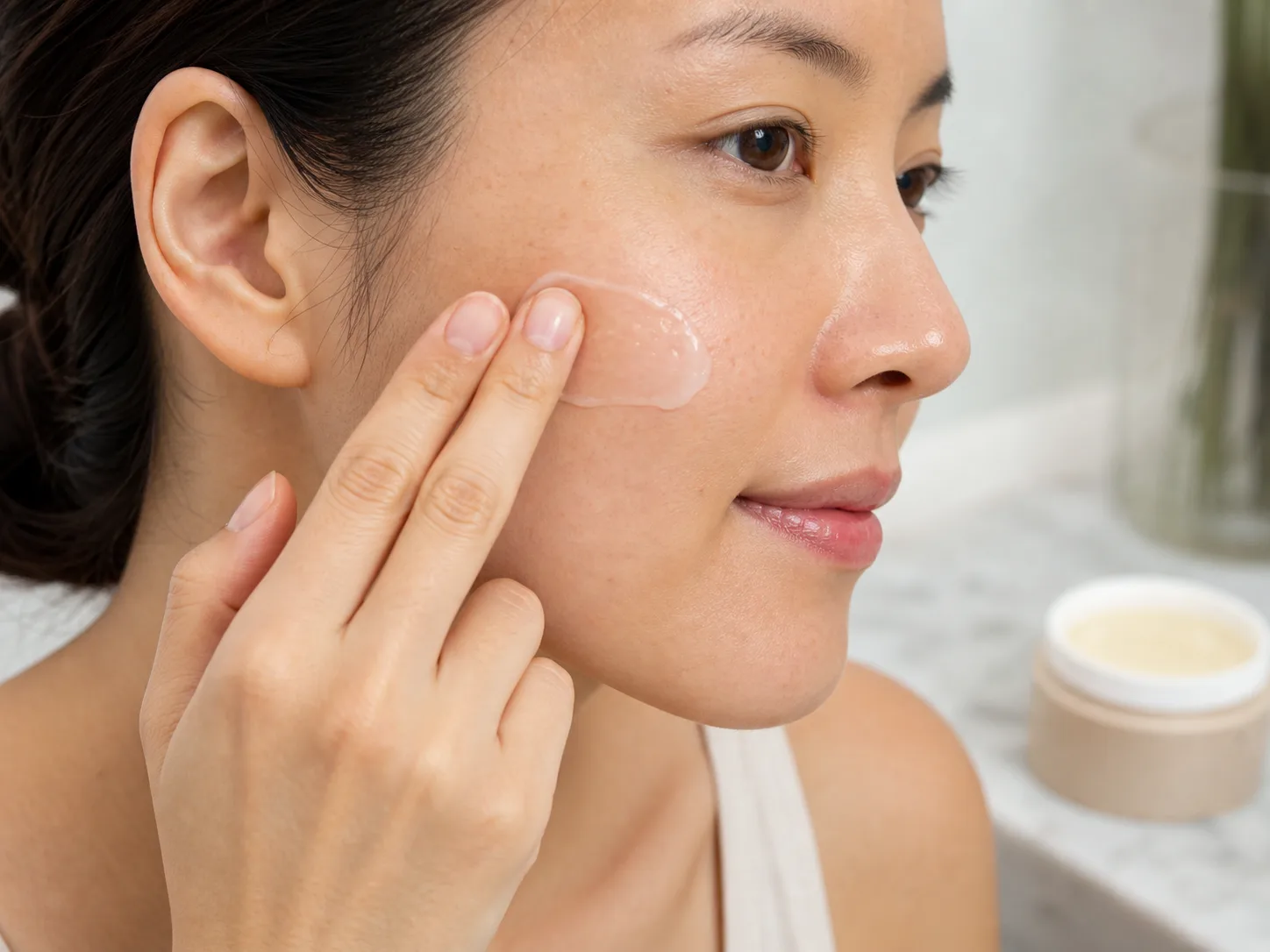
Oily or easily congested-feeling skin may care more about the amount of oils, waxes, and film-formers than about the number of plant extracts. Fragrance and essential oils deserve attention if they have caused reactions before. Botanical origin is not a guarantee against irritation or allergy. Test an unfamiliar formula on a small area first, and stop if persistent itching, burning, swelling, or rash develops.
Sources used
- Health Canada NHPID Cynanchum Atratum ExtractWhole-plant origin and skin-conditioning function
- KCI study of a moisturizer containing Cynanchum atratum root extractScope of root-extract hydration and barrier evaluation
- COSMILE Europe Vincetoxicum Atratum Root PowderSeparate root-material INCI and skin-conditioning function
- Paula's Choice Vincetoxicum Atratum Root ExtractConsumer-facing root-extract and skin-conditioning context
- incidecoder.comIngredient characteristics and cosmetic use