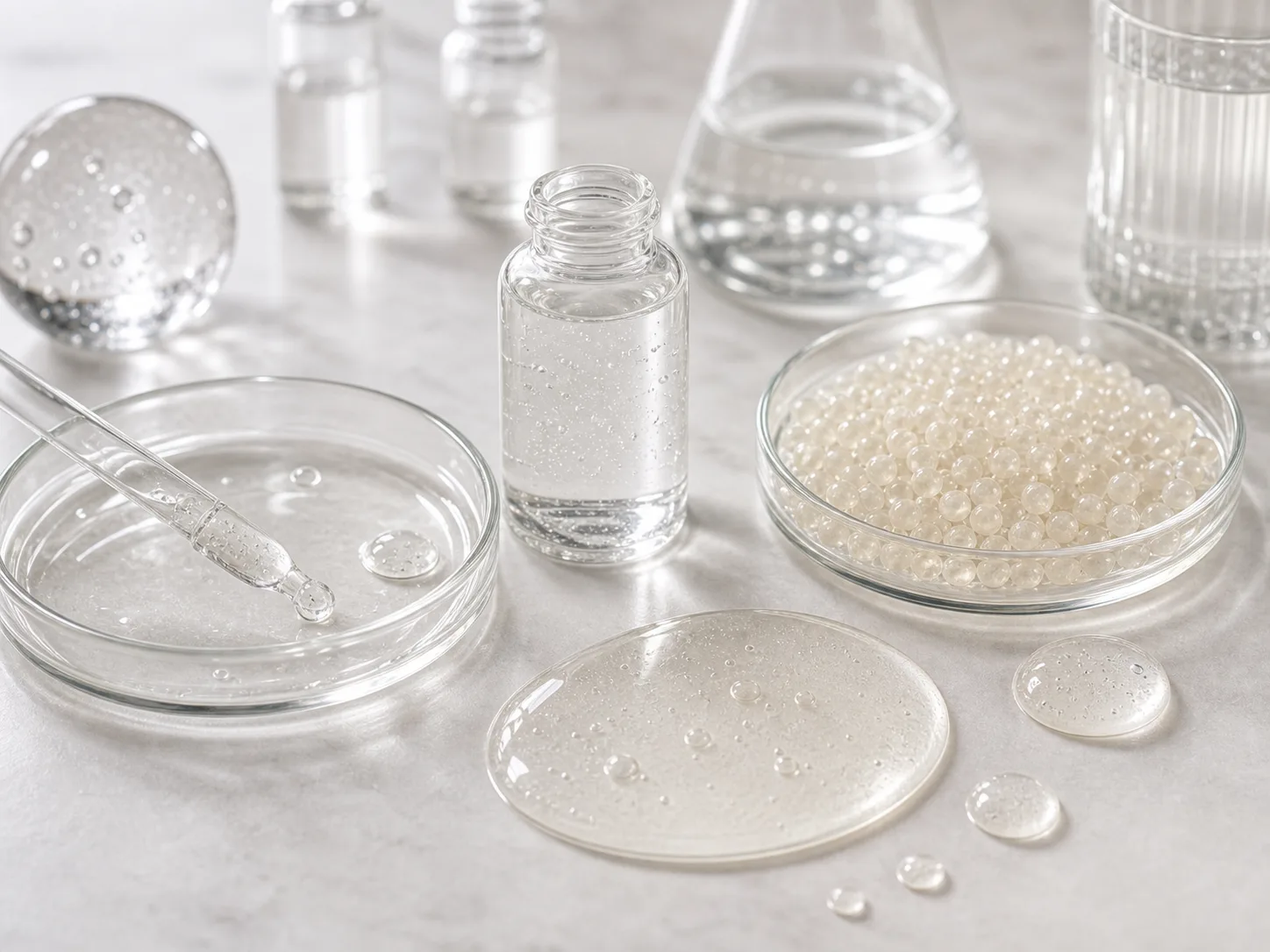
A biological message in a lipid envelope
Exosomes are tiny extracellular vesicles released by cells. Their lipid membrane can enclose proteins, lipids, and nucleic acids involved in cell-to-cell communication. That delivery role has made them a compelling research tool for repair, collagen signaling, inflammation, and pigmentation—and a term widely used in skincare marketing.
The name on a cosmetic label does not describe one standardized material. A serum may contain vesicles from Centella or another plant culture, microbial extracellular vesicles, or an engineered exosome-like carrier. Evidence from human stem-cell exosomes does not automatically tell us what a plant-vesicle serum will do. Source, purification, particle count, cargo, and storage can all change performance.
Where the promising results come from
Several cosmetic-dermatology studies have combined topical extracellular-vesicle preparations with microneedling or laser procedures. Some report improvements in texture and photoaging measures. Those findings support further research, but the procedure creates channels through the outer skin barrier. A serum spread over intact skin faces a different delivery problem.
For an over-the-counter product, the benefits a finished product may provide are improved hydration, smoother texture, glow, and possibly firmer-looking skin with continued use. Immediate plumping often comes from accompanying glycerin, hyaluronic acid, ectoin, and emollients. Claims that the vesicles travel deep into intact skin and regenerate tissue exceed what independent finished-product evidence currently establishes.
How to judge a product
First, look for a named source. “Exosome complex” or a large ppm number is less informative than the organism or cell culture, purification method, particle characterization, and finished-product testing. A ppm claim may refer to the entire raw-material solution rather than the number of intact vesicles.
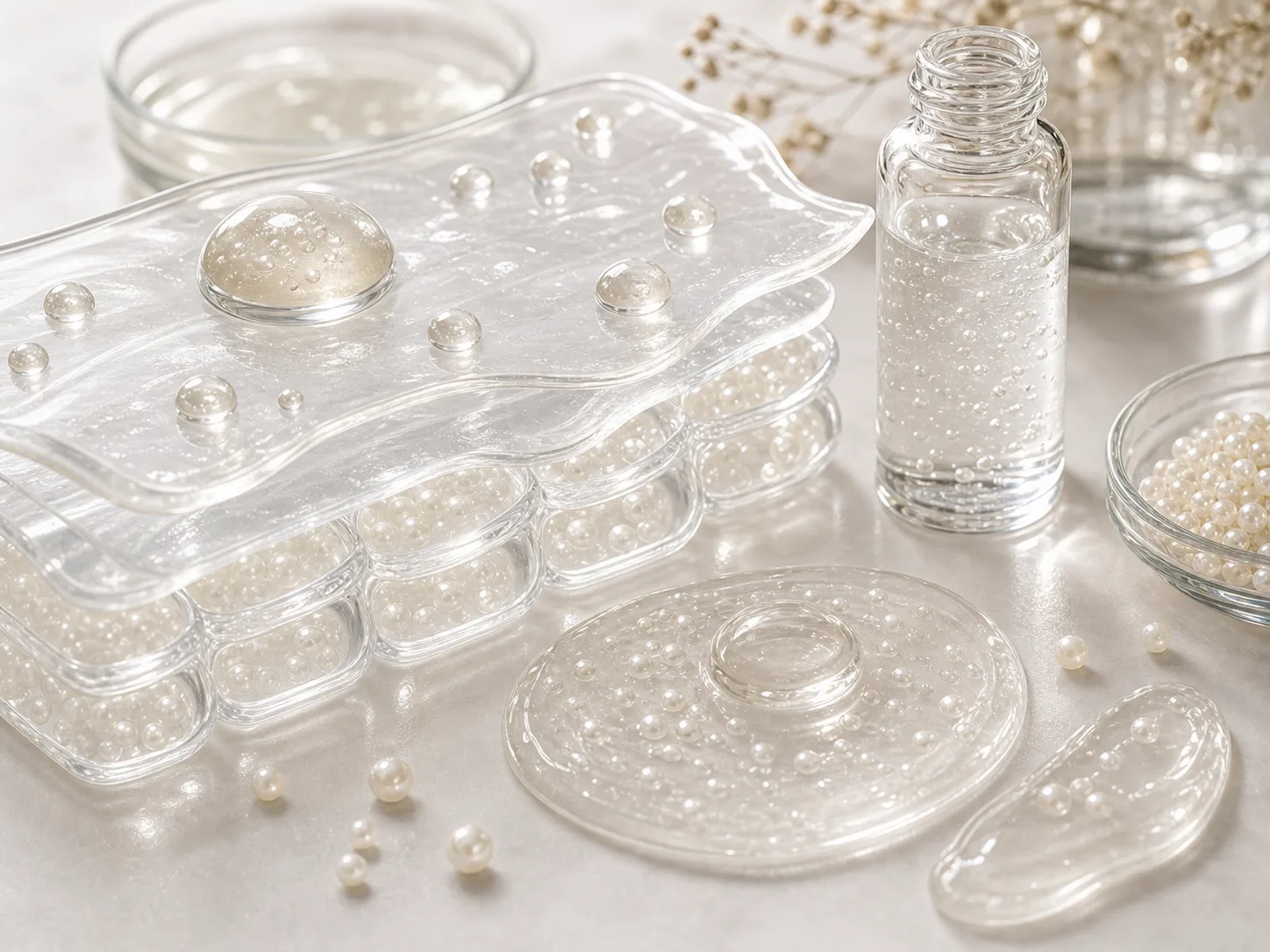
Second, consider stability. Lipid vesicles and their cargo can be affected by heat, oxidation, and storage. Opaque air-restrictive packaging and published shelf-life data are meaningful. A refrigerated professional preparation and a serum that sits in a warm warehouse should not be assumed equivalent.
Third, read the study design. Results after microneedling, results from a raw ingredient, and results from the exact retail serum answer different questions. A controlled trial on the finished product used normally is the most relevant evidence.
Use and safety
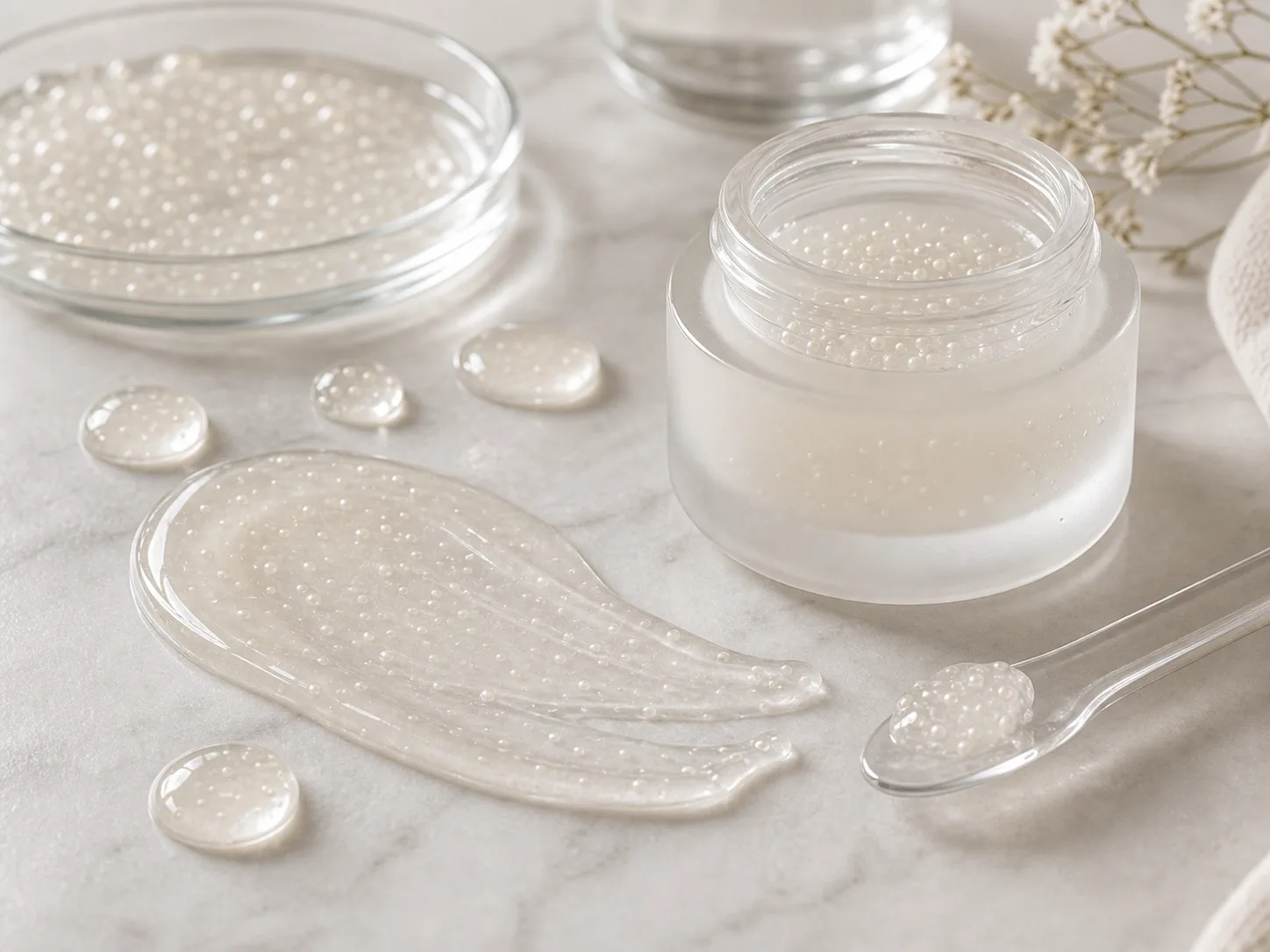
A conventional plant- or microbe-derived cosmetic serum can be applied after cleansing and followed with moisturizer. Sunscreen remains necessary because no exosome serum replaces UV protection. Injectable products are a separate medical and regulatory category; do not inject products sold online or treat a topical cosmetic as sterile.
The label may use exosome more broadly than research does
In research, an exosome is formed through the endosomal pathway. Proving exact biogenesis after isolation is difficult, so guidelines often prefer the broader term extracellular vesicle. Particles obtained by grinding plant tissue may differ from vesicles secreted by living cultured cells.
Strong characterization includes particle count, particle-to-protein ratio, microscopy, characteristic markers, and contamination controls—not only an average size. Consumers cannot reproduce those assays, but they can favor a manufacturer that names the source and method.
Nano size alone does not permit free passage through the stratum corneum. Delivery depends on size, charge, lipid composition, and formula; microneedling studies also create physical channels. Surface or upper-skin effects remain plausible, but a controlled final-formula trial is needed. A 100,000-ppm claim may describe raw-material solution rather than intact vesicle count. Prioritize source, purification, shelf stability, and normal-use product data over the largest number.
Sources used
- Exosome skincare consumer guideconsumer benefits and topical-delivery questions
- Exploring the reality of exosomes in dermatologyclinical evidence and product-quality limits
- Extracellular vesicles in cosmetic medicine reviewsafety, efficacy, and regulatory context