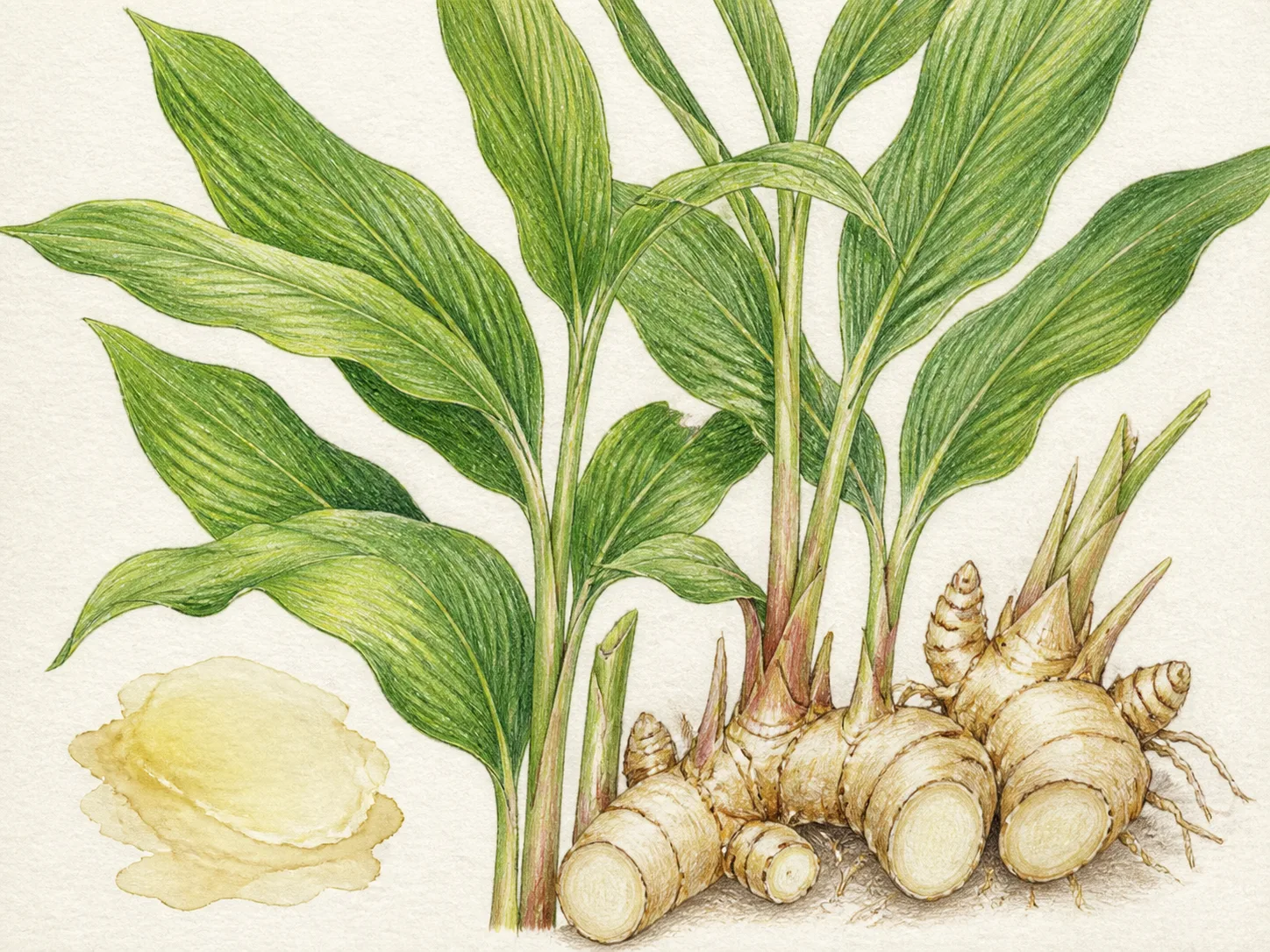
What Alpinia Galanga Extract does
Alpinia Galanga Extract is a whole-herb extract used to soften skin, with galangin and related phenolics contributing antioxidant activity. Studies also examine hydration and elasticity in a finished emulgel and antibacterial activity in laboratory cultures.
Whole-herb extract is not the same as Alpinia Galanga Rhizome Extract or Kaempferia galanga. Plant part, species, solvent, and concentration change the chemistry.
How galangin and phenolics handle radicals
Galangin is a flavonol with phenolic hydroxyl groups. In chemical antioxidant systems, those groups can donate an electron or hydrogen atom to a reactive radical, leaving a more resonance-stabilized flavonoid radical. This can interrupt lipid-peroxidation chains that otherwise damage membrane lipids and proteins.
Other phenolics in the extract may contribute through radical scavenging and metal-ion chelation. The effect measured in DPPH or reducing-power assays shows chemical potential; it does not reveal how much active material reaches human skin from an undisclosed cosmetic concentration.
Connecting antioxidant chemistry to visible skin
Oxidative stress can activate inflammatory and matrix-degrading signals, so reducing radical reactions is a plausible route to better surface comfort and slower degradation of structural proteins. A user might notice less roughness or improved hydration from a well-designed formula, but immediate smoothness often comes from humectants and emollients rather than galangin alone.
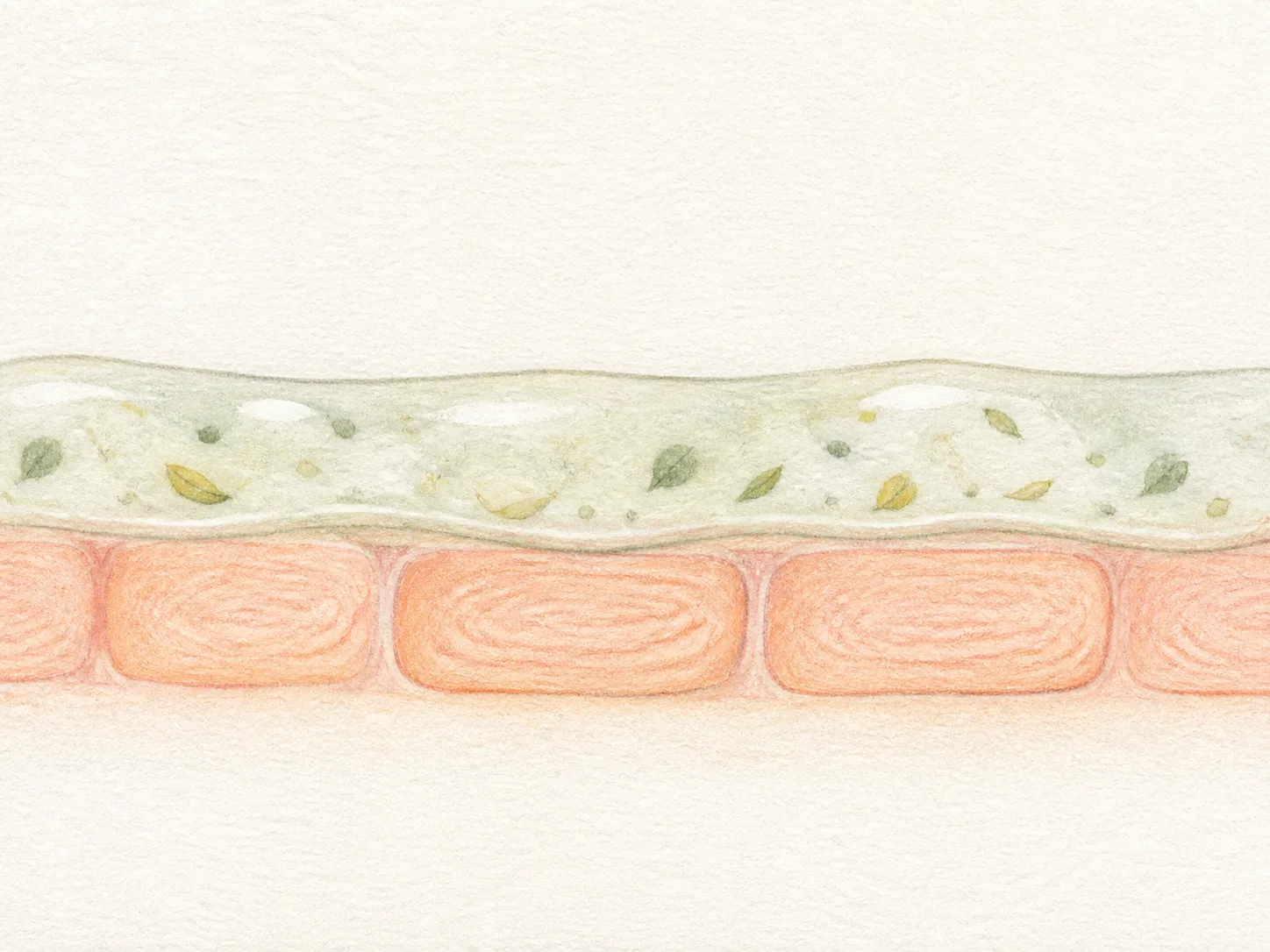
Researchers have tested a finished Alpinia emulgel on volunteers, measuring hydration, elasticity, sebum, redness, melanin, and pores. The findings describe the extract at that concentration in that gel; a different serum need not perform the same way.
What antimicrobial screening means
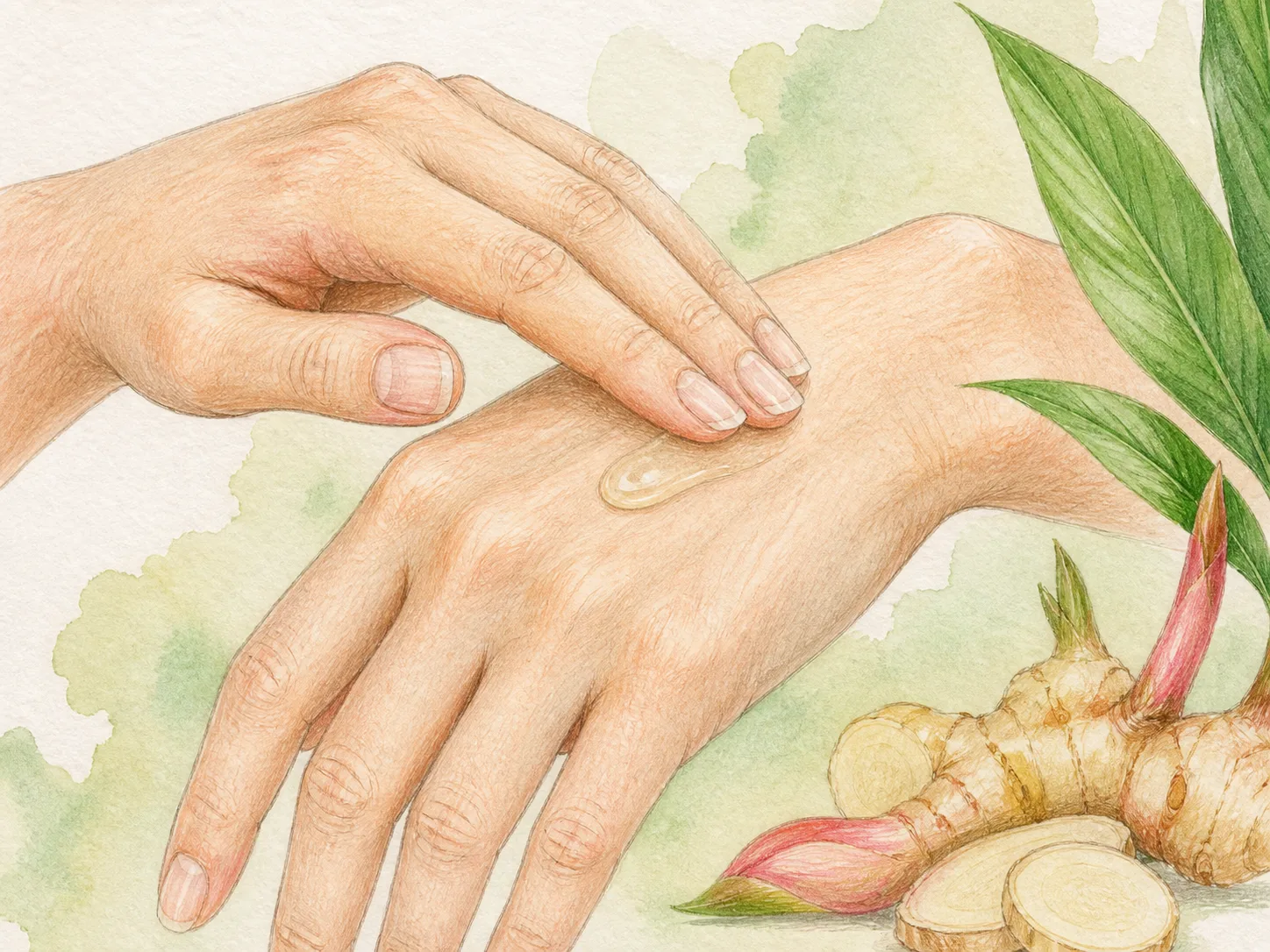
Galangal extracts have inhibited acne-associated bacteria in vitro. Depending on the extract, phenolics and other constituents may disturb microbial enzymes, membranes, or redox balance, but the exact dominant mechanism was not established by the screening study.
Acne also involves follicular keratinization, sebum, inflammatory signaling, microbial strain balance, and hormones. A laboratory growth-inhibition result therefore cannot establish that a retail ampoule clears acne.
How to assess a serum or cream
Look for extract standardization, concentration, and finished-product human data. In a serum, glycerin and polymers usually control immediate hydration and tack. In a cream, the oil phase and emulsifiers control cushion and water-loss reduction.
Try a new formula on a small area first, particularly if it contains fragrance or several botanicals. Stop if itching, swelling, or persistent burning develops.
Extraction affects the answer. Polar solvents tend to recover more phenolic compounds, while volatile oils contain a different set of lipophilic molecules. Whole-herb extract also need not match a rhizome-only preparation. A useful product specification would identify the plant part, solvent, galangin or total-flavonoid standardization, and final concentration.
Sources used
- 대한화장품협회 성분사전 - 갈랑가갈랑갈뿌리줄기추출물Exact whole-herb INCI and skin-conditioning function
- Flavonoids Profile and Cosmetic Potential of Alpinia galangaGalangin, phenolic composition, and antioxidant assays
- Cosmeceutical effects of Alpinia galanga extract loaded emulgelVolunteer hydration, elasticity, sebum, erythema, melanin, and pore measurements
- In Vitro Cytotoxicity and Antimicrobial Activity of Galangal ExtractsExtract-specific in-vitro activity against acne-associated bacteria
- COOS - 갈랑가갈랑갈추출물Ingredient characteristics and cosmetic use
- Alpinia Galanga Rhizome Extract ingredient explainerIngredient characteristics and cosmetic use