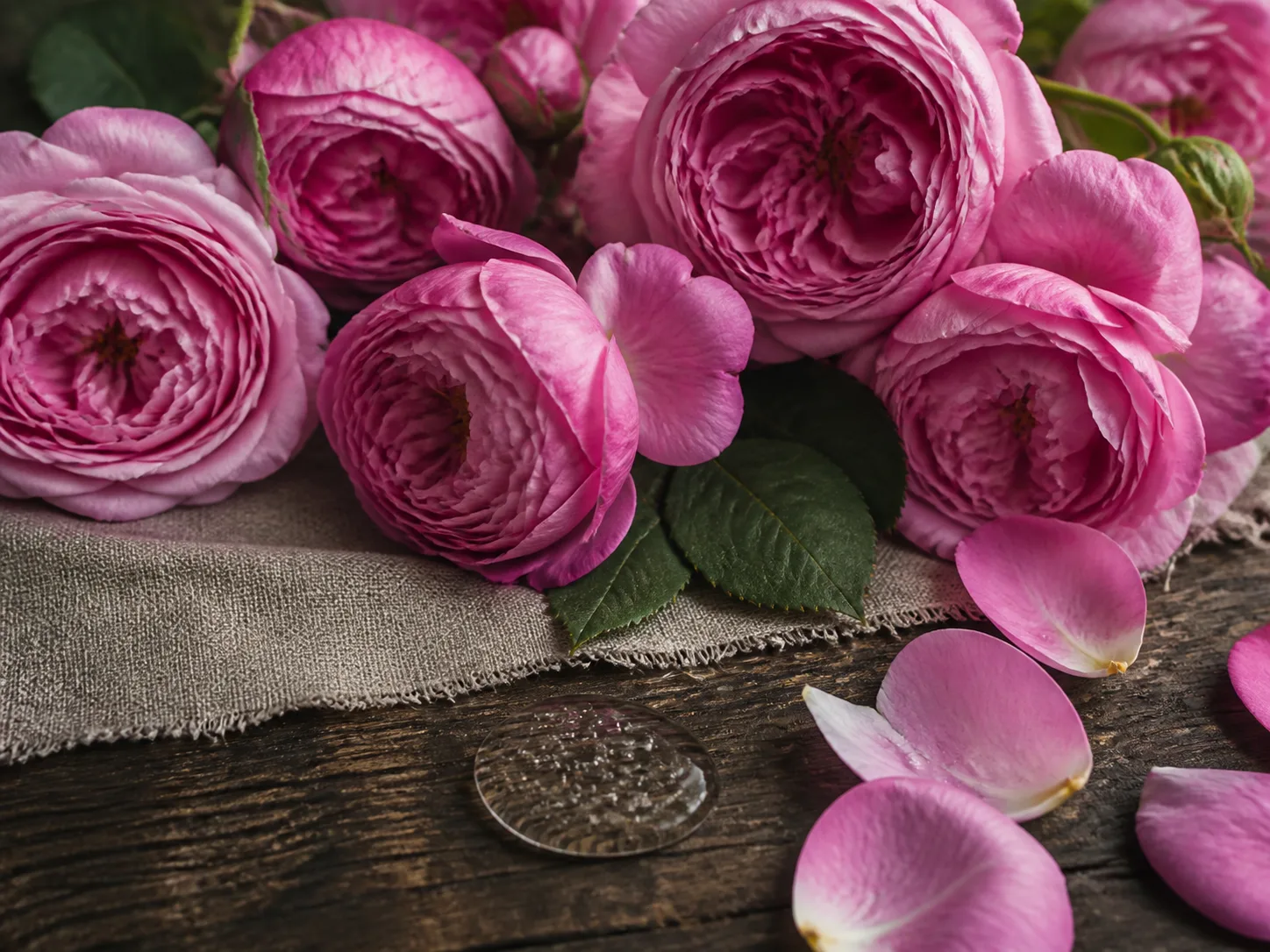
What Damask rose flower extract does
Rosa Damascena Flower Extract is a cosmetic material obtained from Damask rose flowers. A label that mentions rose does not tell you that every rose-derived material is the same. Rose flower water, flower oil, flower wax, a flower extract, and a ferment filtrate are different INCI names. Their processing and fragrance profile can differ too. A percentage on the label describes the concentration of that particular preparation; it does not tell you how much polyphenol is present or make a flower extract equivalent to rose oil.
Korean ingredient records list fragrance and skin conditioning among this extract’s functions. It may contribute scent and a softer skin feel, while the formula’s humectants and oils determine much of its moisturizing effect. Fragrance can still irritate sensitive skin.
How rose compounds are studied for antioxidant and pigment effects
Tyrosinase is an enzyme involved in the early steps of melanin production. A 2023 study compared rose methanol extract, solvent fractions, and essential oil. It found reduced melanin and reactive oxygen species in B16F10 mouse melanoma cells, alongside reduced mushroom-tyrosinase activity. This explains interest in antioxidant and tone-care formulas, but the materials were laboratory preparations, not a tested facial toner.
Rose polyphenols can donate an electron or hydrogen atom to reactive radicals, making them less reactive. That antioxidant chemistry differs from tyrosinase inhibition, which affects an early step in pigment production. The extract and essential oil contain different mixtures of compounds, so results from one rose preparation do not apply to all of them.
How to read a toner, serum, or cream
For a toner or essence, try one layer on a day when the rest of your routine is familiar. If your skin feels tight after cleansing, compare how it feels a few hours later when you follow it with an unscented moisturizer you already tolerate. Fragrance, scented oils, denatured alcohol, and exfoliating ingredients can be more relevant to stinging than the presence of a rose extract.
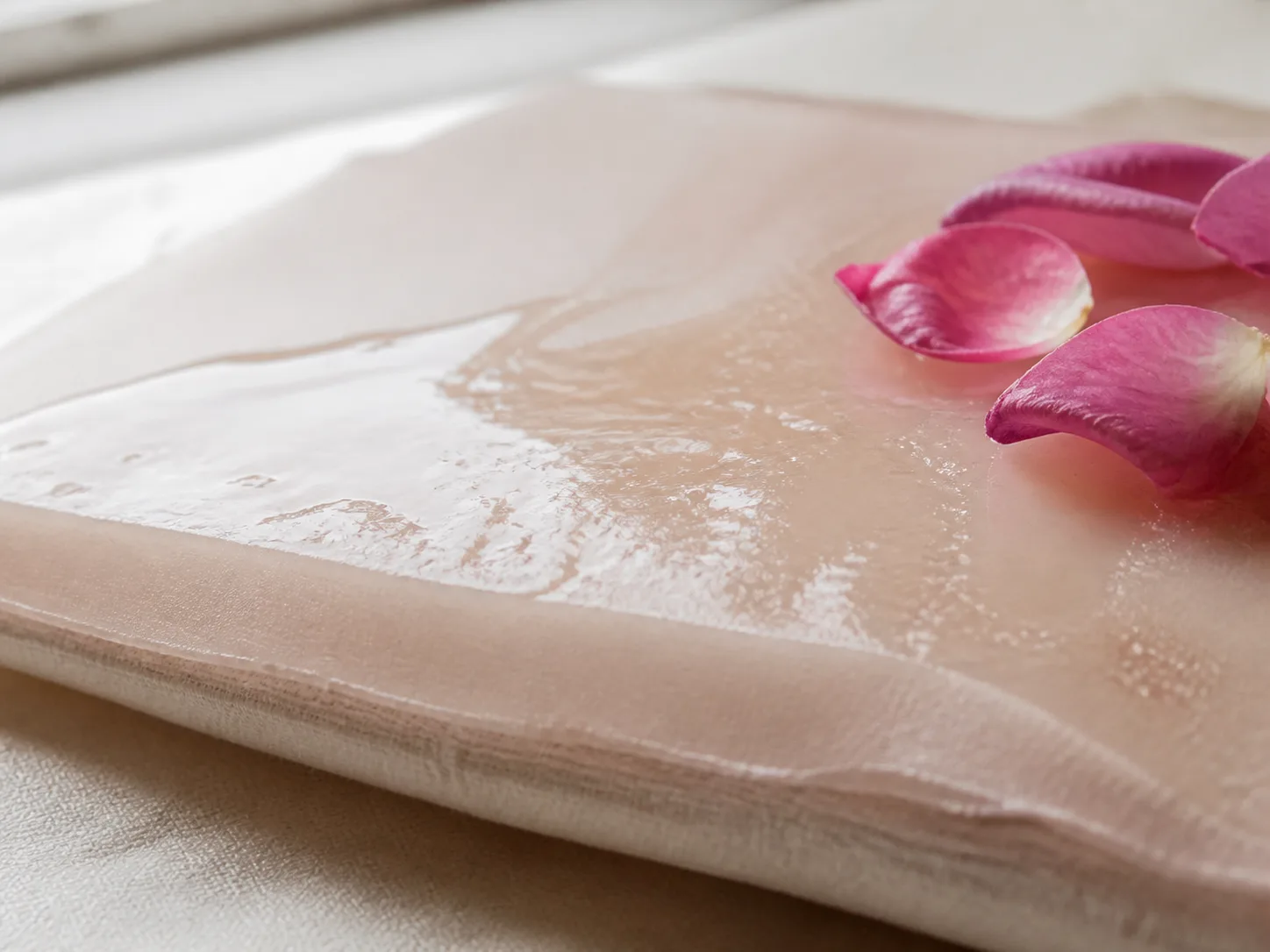
In a cream or mask, a smooth film and a noticeable scent can come from oils, silicones, thickeners, and fragrance components. If you become shiny easily, begin with a thin layer and observe heaviness as well as dryness. If dryness is the bigger concern, use a hydration layer first and see whether a cream keeps skin comfortable over repeated applications.
Fragrance deserves its own check
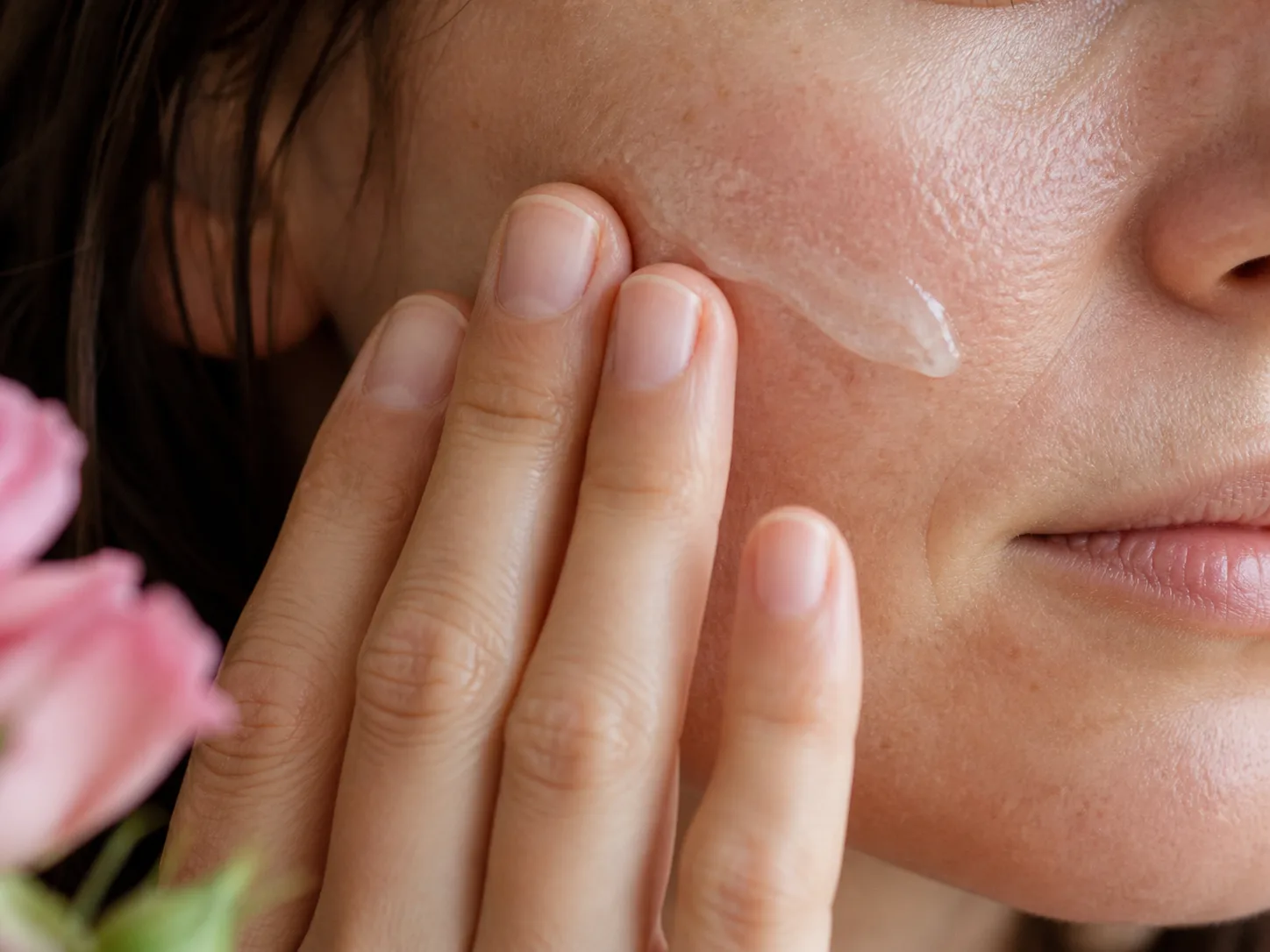
A flower extract and a fragrance or essential oil are not identical ingredients. Still, products built around a rose scent can include fragrance allergens such as linalool, geraniol, or citronellol. If fragranced skincare has stung or itched in the past, check the complete ingredient list rather than choosing solely because the product is plant-derived.
Introduce one new leave-on product at a time and test a small area first. Stop if burning, persistent itch, redness, or swelling develops. A small-area trial can reveal obvious discomfort, but it is not an allergy diagnosis; persistent or significant reactions are not a reason to keep layering cosmetics.
Sources used
- Korea Cosmetic Association ingredient referencecurrent Korean standard name, exact INCI, flower source and Korean cosmetic functions
- SpecialChem - Rosa Damascena Flower Extractprofessional cosmetic identity and formulation context; fragrance and skin-conditioning descriptions are not clinical proof
- Lotioncrafter - Damask Rose Extractconsumer-accessible raw-material page with declared INCI, external-use boundary and supplier technical-data context
- Microwave-Assisted and Conventional Extractions of Volatile Compounds from Rosa x damascena for Cosmetic Applicationsreview of flower-derived rose material types and cosmetic-use context, including the difference between water, oil, concrete and absolute
- Rose extracts, tyrosinase and ROS in B16F10 cells2023 cell study; different extraction fractions, not a finished facial-product trial.