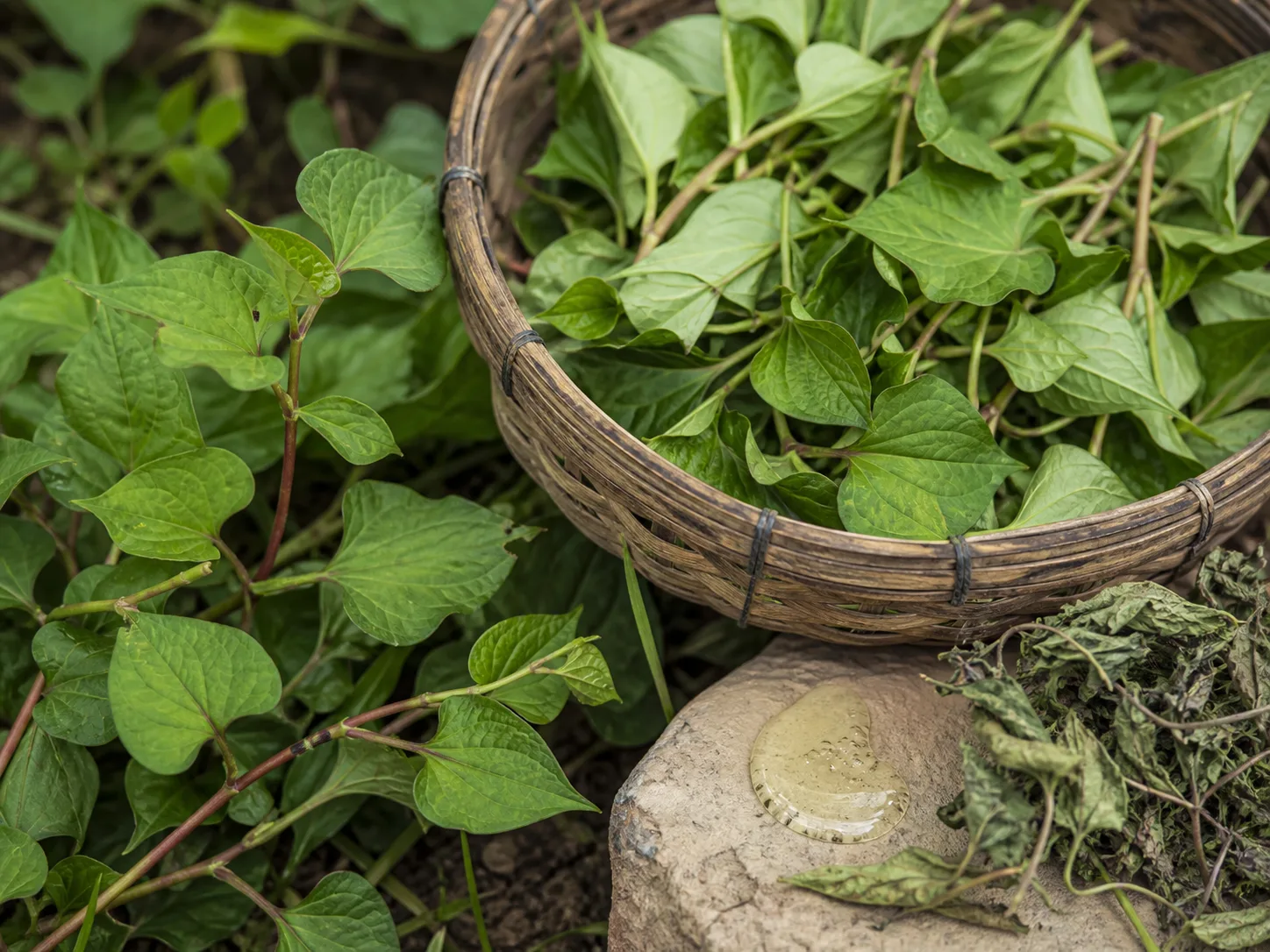
The plant behind the label
Houttuynia cordata is commonly called heartleaf, or eoseongcho and yakmomil in Korean. Houttuynia Cordata Extract is a botanical extract, not one isolated molecule. Its composition can vary with the plant material and extraction method, so it does not have one single molecular formula or structure diagram.
Why it appears in soothing formulas
An ethyl-acetate fraction of heartleaf extract was studied in stimulated macrophages, cells involved in immune responses. It reduced activation of NF-κB and MAPK, two pathways that amplify inflammatory messages. A diluted water-based toner is a different preparation from this laboratory fraction, so the study explains a possible action rather than a measured reduction in facial redness.
The ingredient can still have a clear place in a routine. In a hydrating formula, heartleaf usually is used for soothing care while humectants such as glycerin, betaine, panthenol, and allantoin provide much of the immediate water-binding feel. A light toner or mist with that combination may suit someone who wants hydration without a heavy cream finish.
What the ingredient list cannot tell you
An INCI entry cannot reveal the plant part, extraction solvent, standardization, or exact percentage used in every product. That is why a front-label heartleaf claim is best treated as one clue, not a guarantee of strength. Compare the formula around it: fragrance-free, humectant-rich options tend to aim for daily moisturizing, while alcohol-forward sprays and acid pads have a different sensory profile and use case.
In day-to-day use, the surrounding base is usually what the skin notices first. Fragrance, essential oils, alcohol, acids, and exfoliating pad friction can make a heartleaf product feel less comfortable, even when the extract itself is familiar.
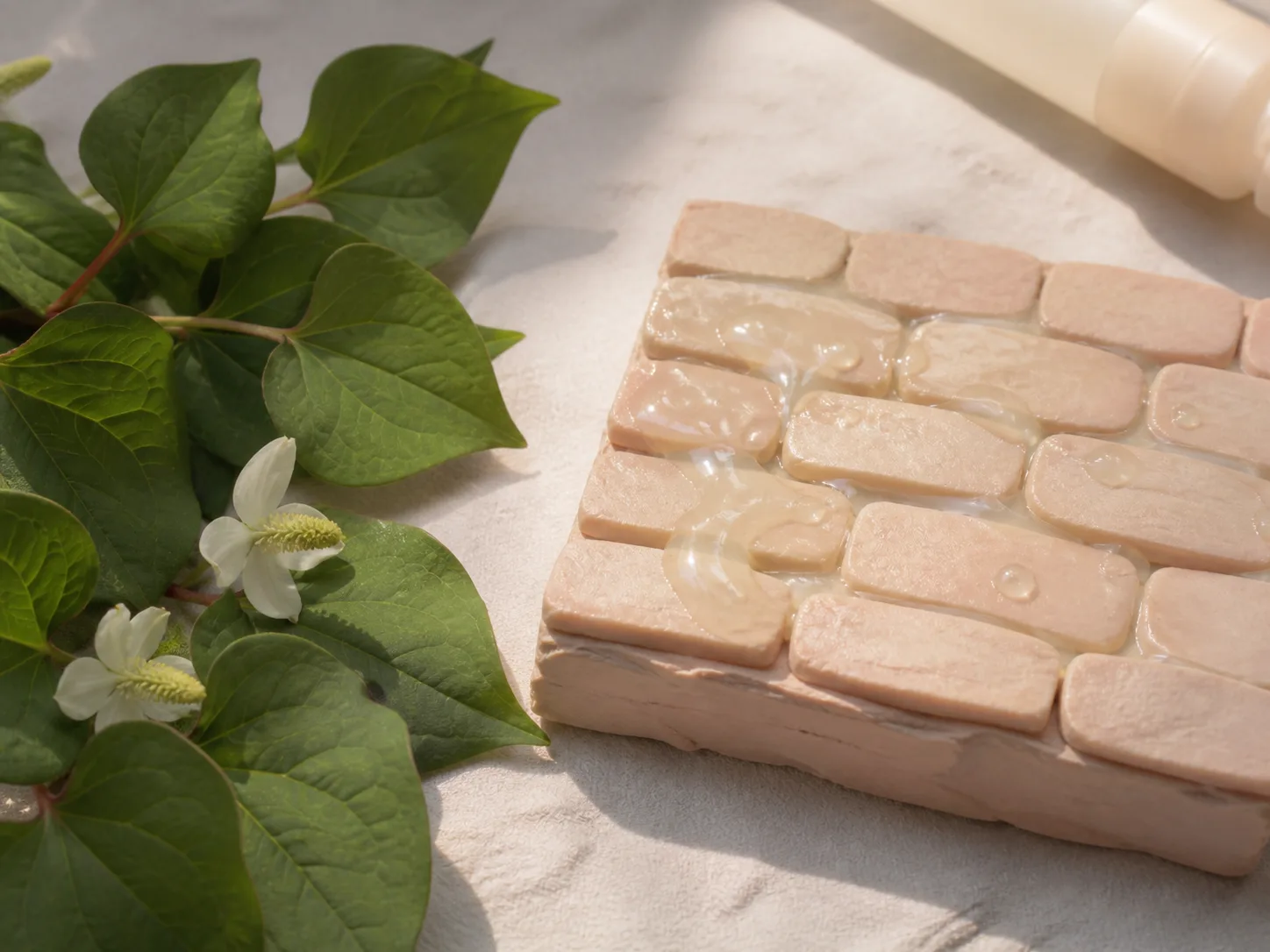
Mist and pad formats are not interchangeable
A mist is easy to reapply, so finish, scent, and makeup compatibility matter. A pad leaves the formula on the skin but also adds wiping friction. If a routine already includes acids or retinoids, start less often rather than adding several potentially irritating steps at once.
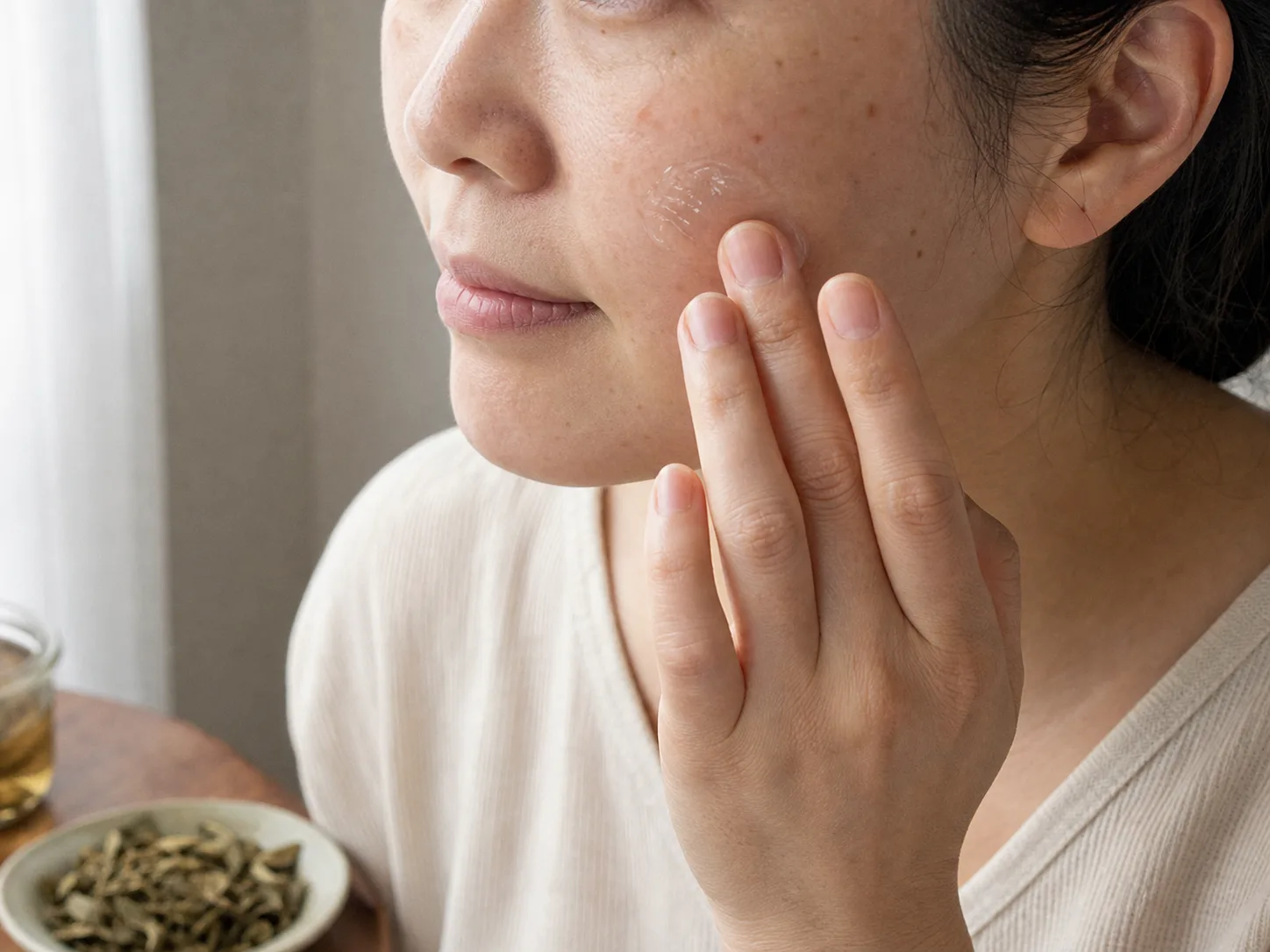
Using a heartleaf formula in a routine
Start with a small area on the cheek or jaw and follow the label’s frequency. A hydrating toner or mist can often be introduced morning or evening, while a wiping pad is worth using two or three times a week at first because it adds friction. Keep a new acid, retinoid, or exfoliating pad out of the same first trial so that a reaction is easier to trace.
For a dry routine, look for heartleaf beside glycerin, panthenol, ceramides, or emollients that help the finish last. For an oily routine, a lighter serum or mist may be more appealing, but it is still worth checking whether alcohol or perfume is high on the list. Stop if stinging, itching, or redness continues. Persistent acne or dermatitis needs an assessment beyond what a cosmetic ingredient list can provide.
Sources used
- Houttuynia cordata Thunb.accepted botanical identity and plant-name verification
- Houttuynia Cordata Extract ingredient explainerconsumer cosmetic context and product-list usage
- Houttuynia cordata skin research searchprimary literature context and what the research actually shows
- NAVER search results for 어성초추출물 화장품visible Korean naming and competition check
- Heartleaf fraction and inflammatory signaling in macrophagesIngredient mechanism and exact study material.