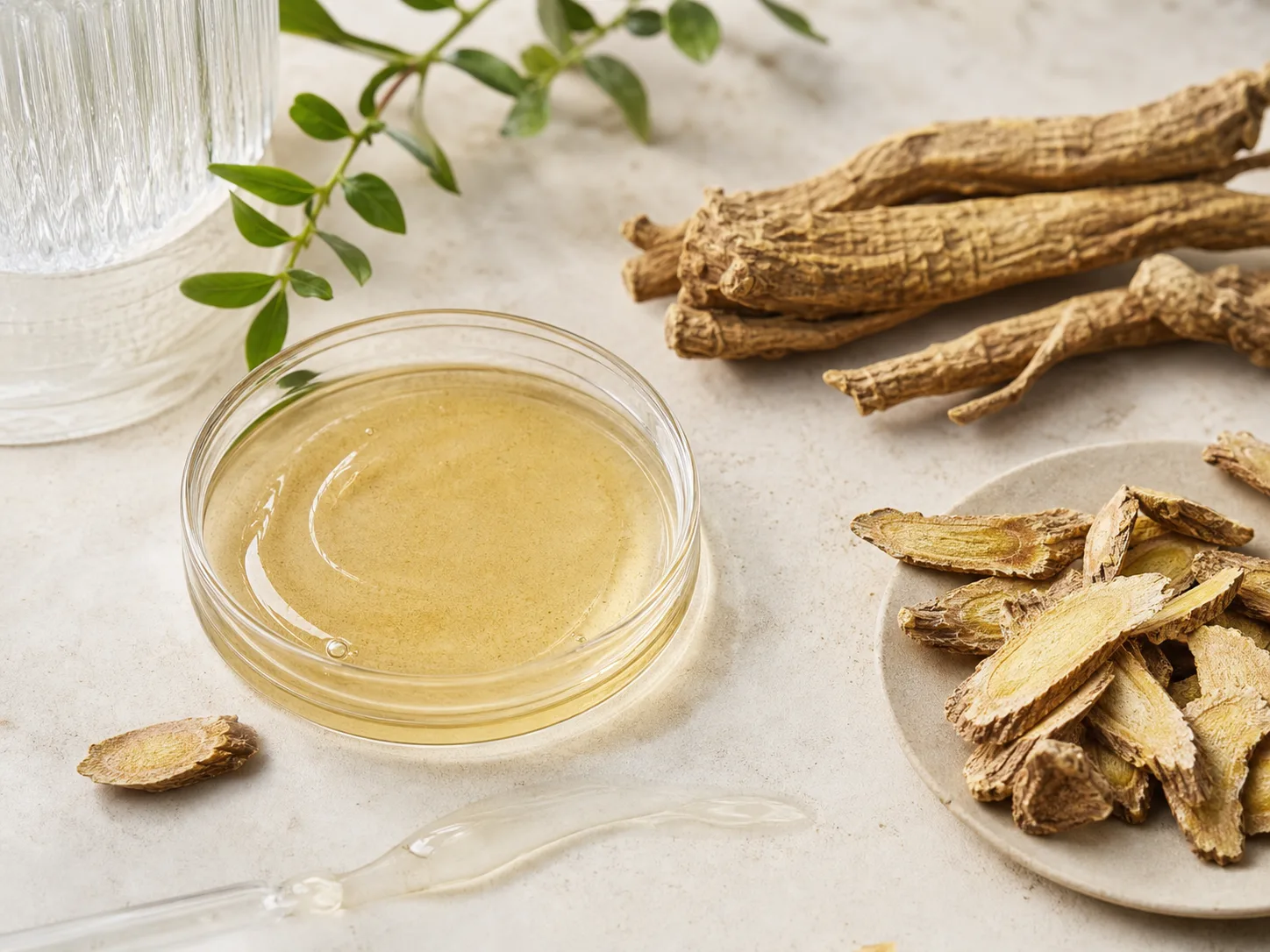
What the extract is
Scutellaria Baicalensis Root Extract is a botanical extract made from the root of Scutellaria baicalensis. It is a mixture rather than one defined molecule, so the extract cannot be assigned one molecular formula. Individual compounds such as baicalin or baicalein can be discussed separately, but they should not be treated as the entire extract.
Products containing this extract are often designed for soothing and antioxidant care. It appears in toners, ampoules, serums, calming pads, and creams that combine several botanical extracts. The extract source and supplier data provide context, but different products can use different extraction methods, standardization, and concentrations.
What the skin benefit can look like
Baicalin is one of the flavonoids found in this root. In human keratinocytes exposed to UVB in the laboratory, baicalin reduced reactive oxygen species and helped preserve cell viability. Reactive oxygen species can damage cell components; reducing them is one way an antioxidant can protect cells. This was a study of baicalin, not a trial showing that every Scutellaria toner prevents sun damage.
The change to look for is calmer-feeling skin with less dryness after cleansing or an irritating routine. Antioxidant care may be useful for skin that looks dull or rough, but the extract does not erase pigmentation or replace sunscreen.
Check the surrounding formula. Glycerin, panthenol, and betaine may contribute more to immediate hydration, while alcohol, fragrance, acids, and other botanical extracts can change whether the product feels calm or irritating.
Where it fits
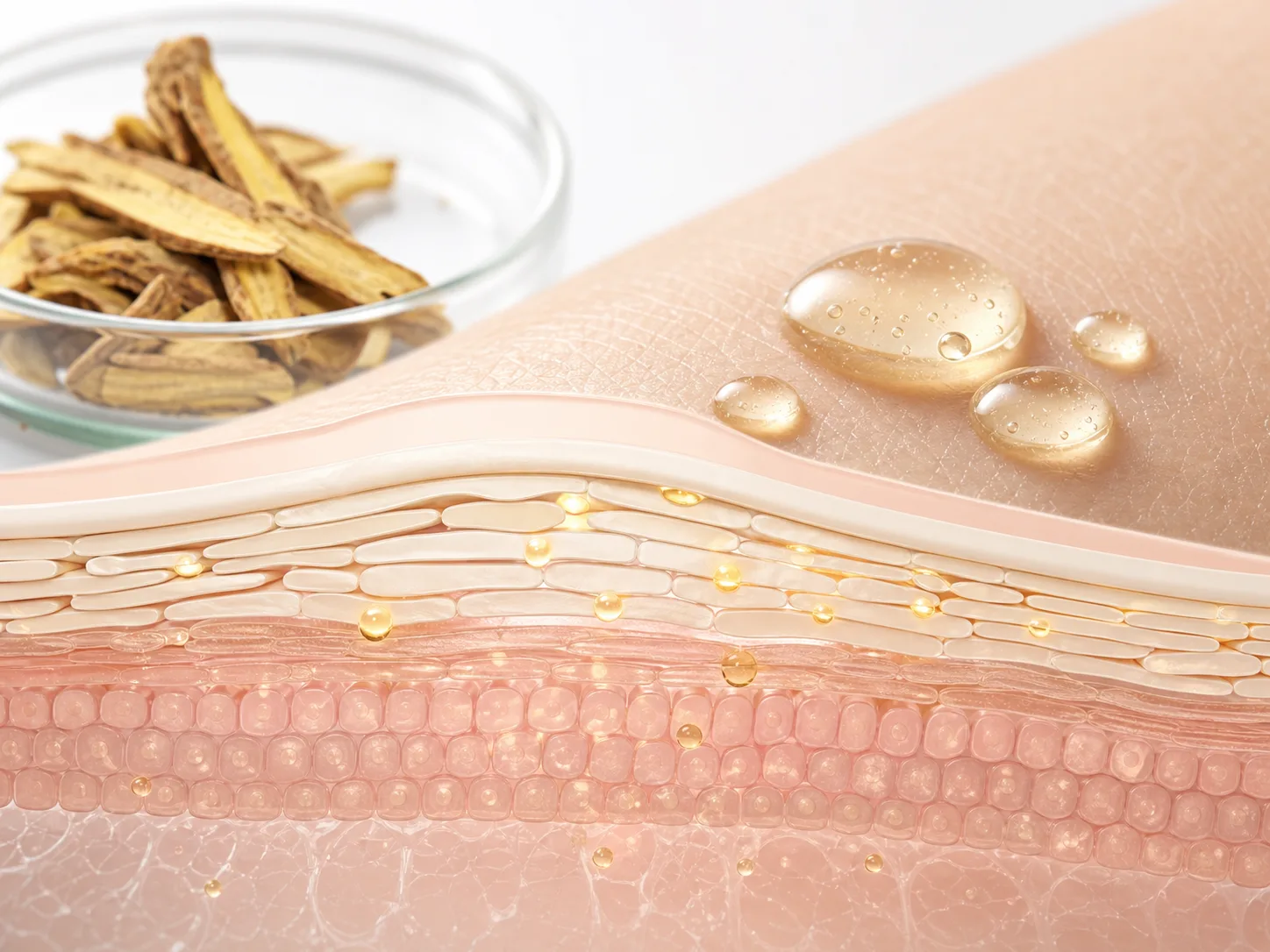
For a light soothing routine, compare a toner or ampoule with the extract alongside its humectants and fragrance profile. If dryness is the main concern, a cream with ceramides, panthenol, or glycerin may have a larger effect on comfort. In a pad or cleanser, contact time and acids, surfactants, and fragrance can matter more than the extract listing.
How to introduce Scutellaria Baicalensis Root Extract
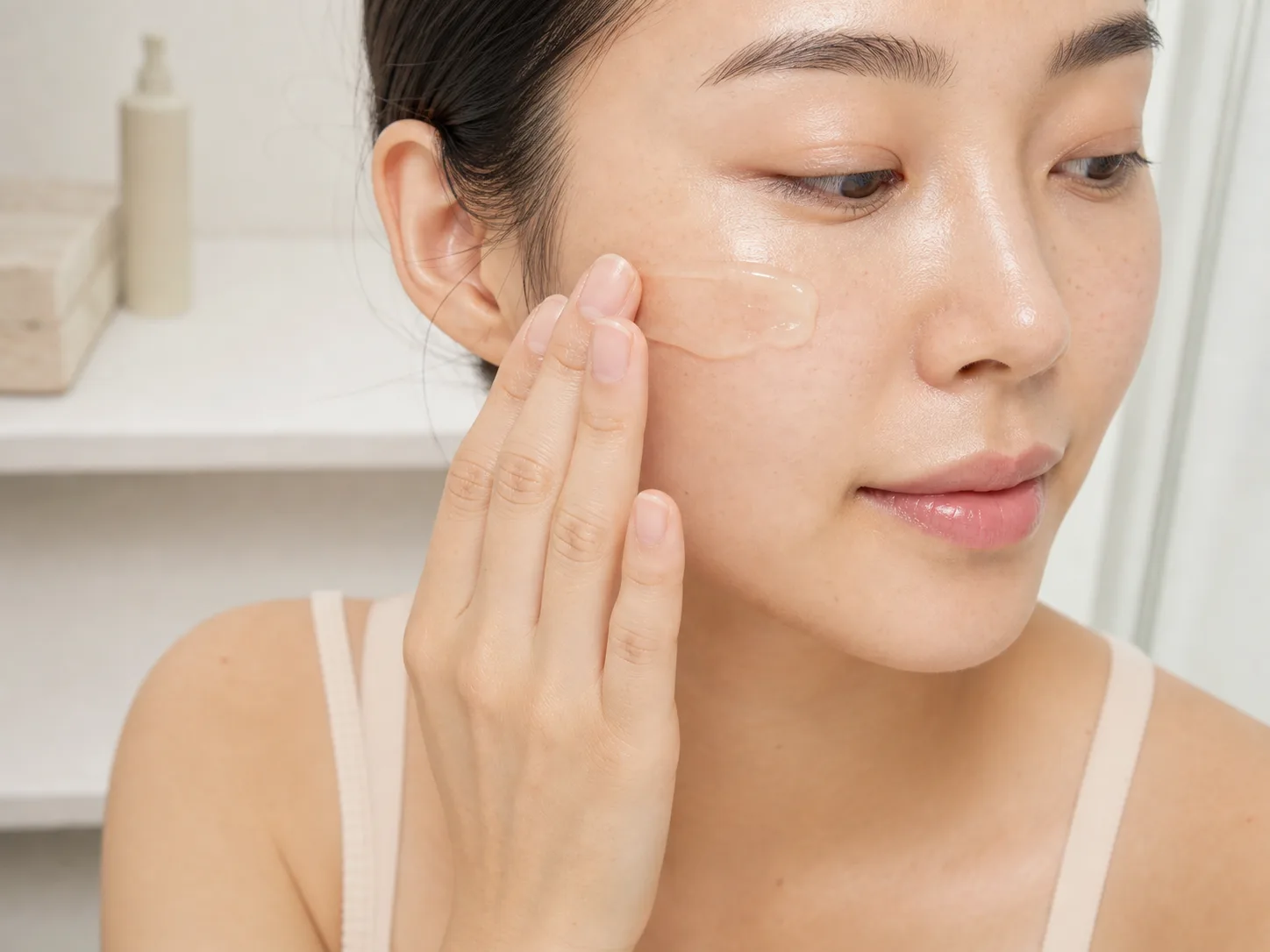
The main caution is sensitivity to the extract or another part of the formula. Use a small amount near the cheek or jaw when trying a new botanical product. Redness, itching, or stinging can come from the extract or from the rest of the formula. If discomfort continues, review fragrance, preservatives, alcohol, acids, and the other plant extracts rather than focusing on one highlighted ingredient.
Sources used
- CIR Scutellaria baicalensis-derived ingredientsCosmetic use and safety assessment
- CIR Final Report PDFCosmetic use and safety assessment
- INCI Guide Scutellaria Baicalensis Root ExtractIngredient characteristics and cosmetic use
- 데일리팝 황금추출물Ingredient characteristics and cosmetic use
- Scutellaria extract technical dataMaterial composition and formulation use