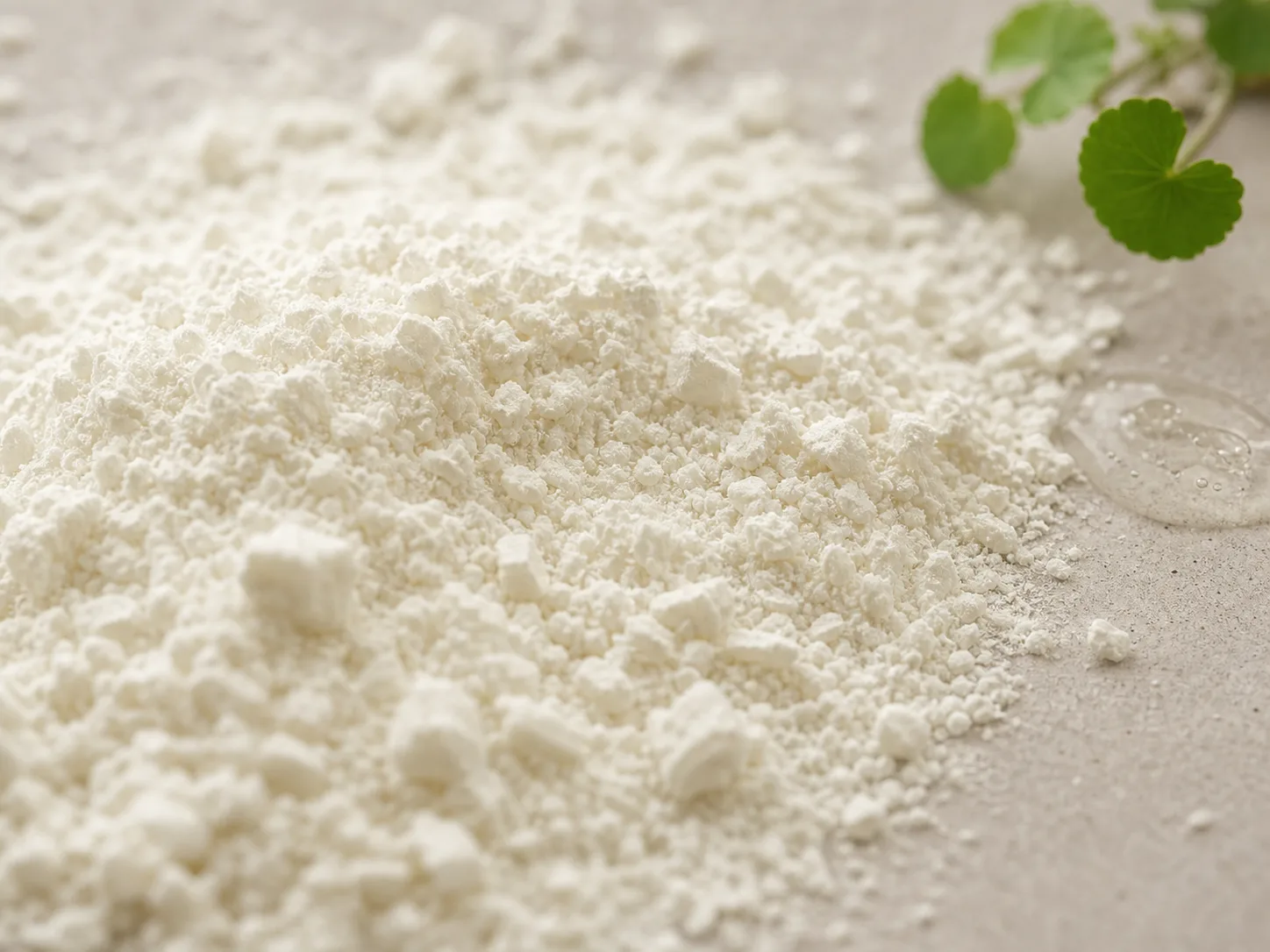
Cica is a family name, not one molecule
Asiatic Acid is a defined organic compound listed in cosmetics for skin conditioning. PubChem identifies it with CAS 464-92-6 and the molecular formula C30H48O5. It is one of the pentacyclic triterpenes associated with Centella asiatica, but it is not the same thing as the complete plant extract.
Asiaticoside and madecassoside are glycoside forms, while asiatic acid and madecassic acid are different acid forms. Standardized mixtures such as TECA can contain several triterpenes together. A formula may list all four names, one isolated compound, or only Centella asiatica extract. These choices do not provide the same composition or the same level of evidence.
Where collagen and soothing claims begin
A role in collagen biology does not always mean making more collagen. In human fibroblasts obtained from keloids, asiatic acid activated the regulator PPAR-γ and reduced type I collagen expression triggered by TGF-β1. That experiment examined excessive collagen production. It explains a specific regulatory action, not a demonstrated firming or scar-removal effect from an ordinary face cream.
Human studies of whole Centella preparations or finished formulas containing multiple triterpenes belong in a separate evidence category. Those products may also include glycerin, panthenol, ceramides, and additional plant constituents. Asiatic acid is used in moisturizers for dry, uncomfortable skin. A moisturizer is not a scar treatment.
Why formulation affects skin delivery
Asiatic Acid is not a simple water-loving humectant that can be dropped into any toner and behave identically. Researchers have compared hydrogels, counterions, chemical enhancers, and other delivery approaches because solubility and movement through the outer skin depend on formulation. The performance of a specialized research hydrogel does not automatically belong to a conventional essence or cream.
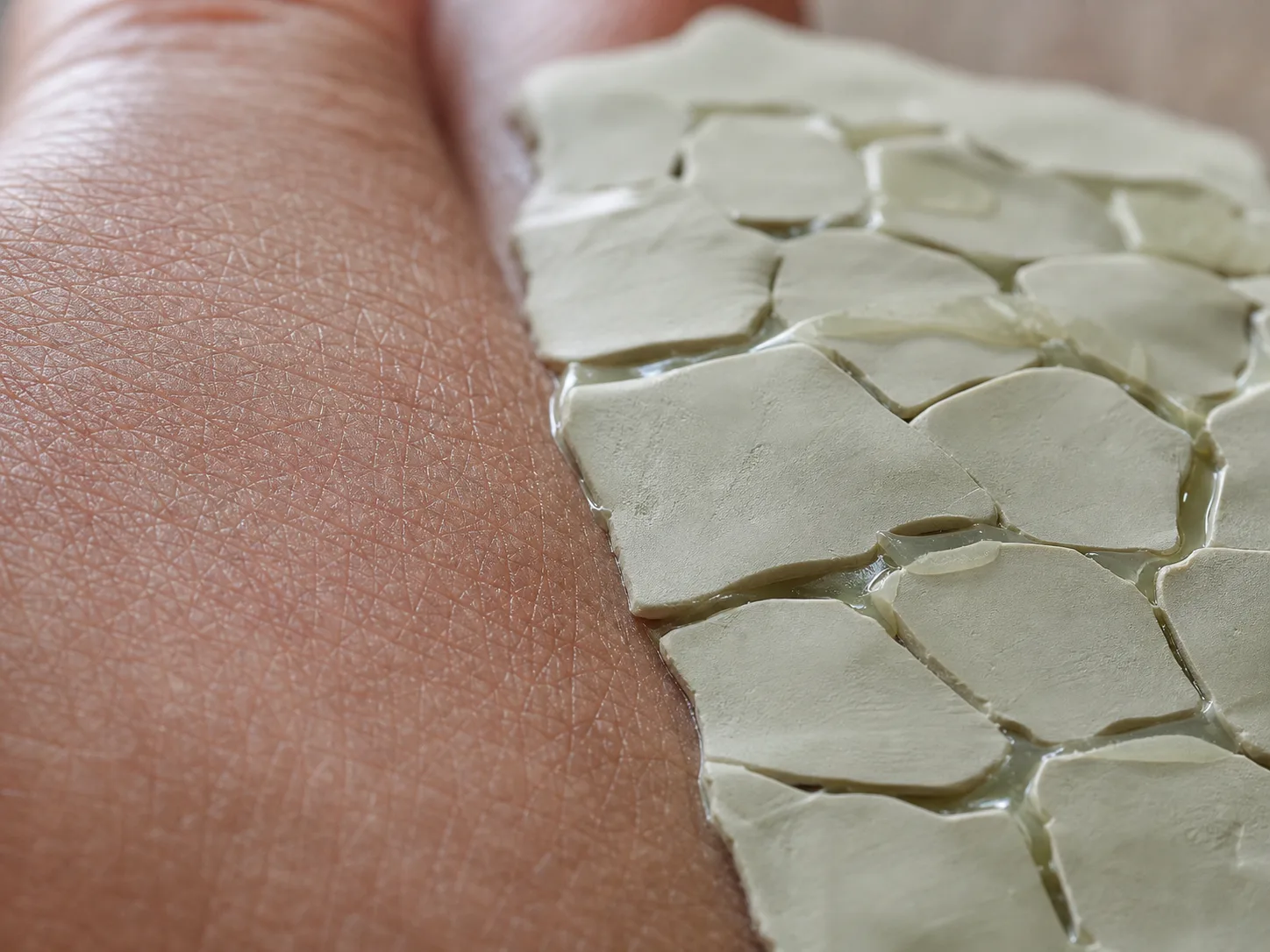
In finished skincare, Asiatic Acid often appears with asiaticoside, madecassoside, madecassic acid, or a broader Centella extract. Glycols and glycerin may determine the immediate fresh feel of a serum. Ceramides, fatty alcohols, and emollient oils may determine how long a cream reduces tightness. An ingredient list confirms presence, not active concentration, delivery, or the size of a visible result.
Choosing a product you can evaluate
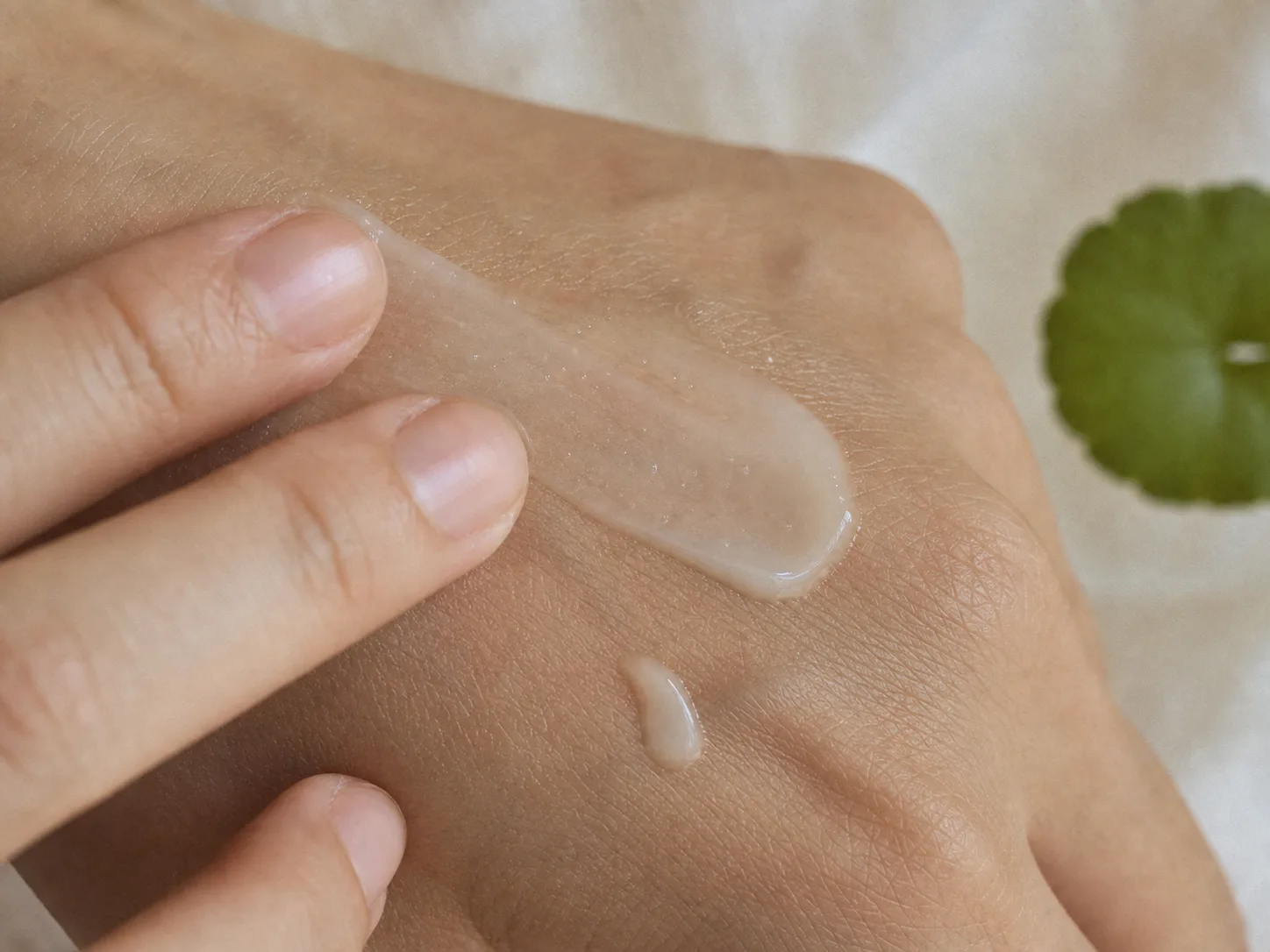
Reactive skin is easier to monitor with a relatively simple formula containing recognizable moisturizers such as glycerin, panthenol, betaine, and ceramides. If a product combines exfoliating acids, a retinoid, fragrance, and many botanicals, stinging may be difficult to attribute. A “cica” label on the front does not cancel the behavior of the rest of the formula.
For a light serum, judge warmth, tightness, and tackiness after it has settled rather than relying on the first wet glow. For a cream, evaluate the lipid system and how the skin feels several hours later. If the goal is uneven-looking tone or persistent marks, daily sun protection and actives with clearer human evidence remain the foundation. Asiatic Acid can stay in a supporting conditioning role.
Introducing it to sensitive skin
Apply a small amount below the ear or near the jaw and wait before using it across the face. If it remains comfortable, add only that product to the evening routine for several days. Do not begin a new retinoid or exfoliating acid on the same day; one-variable changes make redness and stinging easier to trace.
Persistent burning, itching, or swelling is a reason to stop, not a required adjustment period. Botanical origin does not prove universal gentleness. Fragrance, preservatives, solvents, and companion actives can all contribute to a reaction. Research powder and concentrated raw material also do not belong in a homemade facial mixture.
Sources used
- 대한화장품협회 성분사전: 아시아틱애씨드authoritative identity, Korean naming and skin-conditioning function
- PubChem: Asiatic Acidchemical identity, CAS and molecular formula
- ASIATIC ACID - COSMILE Europeinternational cosmetic identity and functions
- Skin Delivery of Asiatic Acid from Hydrogelsexact-compound topical delivery and formulation limitations
- Centella asiatica and Its Metabolite Asiatic Acidexact-compound mechanism review and what the research actually shows
- Pharmacological Properties of Asiatic Acidexact-compound evidence scope and non-cosmetic limitations